

 Chronicle Editor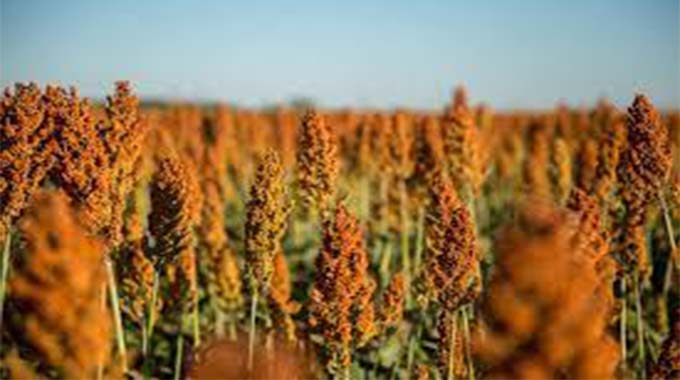
Patrick Chitumba, [email protected]
OVER 30 000 hectares in the Midlands province have been put under small grains such as sorghum and rapoko under Pfumvudza/Intwasa and conventional farming programmes.
Small grains lower the risk of Type 2 Diabetes, reduce chronic inflammation, lower the risk of obesity and overall, have better nutritional value than maize.
In addition to the health benefits, small grain crops can perform relatively well in arid ecological regions.
In an interview yesterday, Midlands Provincial Agronomist Mr Innocent Dzuke said 10 000 farmers had embraced the growing of small grains in the province.
“The hectarage for traditional small grains is over 30 000 ha for both Pfumvudza/Intwasa and conventional, which is commendable,” he said.
Mr Ronnie Chigombe, sales agronomist at SeedCo commended the Government for supporting farmers in growing small grains to improve the soil and their diets.
“Farmers have embraced traditional small grains, especially sorghum, millet, cowpeas and even sugar beans. This is very commendable as we fight climate change,” he said.
Mr Chigombe said small grains don’t require agro-chemicals and fertilisers and most are drought resistant.
“Thus small grains are considered an ideal food crop to build resilience as we adapt to a changing climate,” he said.
Across the country, the Government aims at putting 100 000 ha under the crop as it accelerates efforts to promote the production of traditional grains.
In its quest to sustain the country’s food security in the wake of the predicted El Nino, the Government availled more sorghum inputs to farmers wishing to plant the traditional grain during the 2023/24 summer cropping season.
Through the Agricultural Rural and Development Authority (Arda) the Government launched the sorghum inputs distribution facility which has been welcomed by farmers across the country.
Arda has been providing inputs such as fertilisers on a cost-recovery basis at the point of sale at GMB depots.
Inputs are available at GMB depots across the country.
Weather forecasters have predicted that Zimbabwe will receive below-normal to normal rainfall, associated with extreme weather conditions such as heat waves and dry spells, during the 2023/2024 cropping season.
The El Niño forecast for 2023-24 is expected to intensify aridity, significantly impacting food and animal production across many areas, including those typically classified as dry regions.
However, the Government is rolling out several initiatives such as the construction of dams to promote irrigation and distribution of inputs under the Pfumvudza/Intwasa programme, to make sure that the country is food-sufficient.
Farmers are expected to finish planting this week and come very close to the 2,6 million hectares planted by this time last season.
Most farmers are now having hope of producing a good harvest following heavy rains that are continuing across the country.


 Bongani Ndlovu
 Online Reporter