Chronicle Editor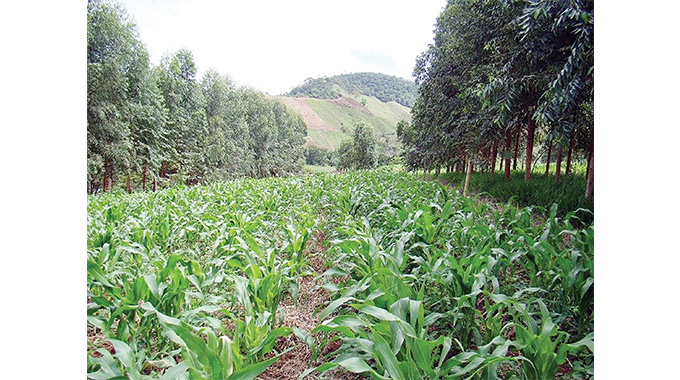
Patrick Chitumba, Midlands Bureau Chief
NEARLY 30 percent of the maize crop Madeline Magwenzi across Midlands Province is now a write off with the total provincial yield already compromised due to the prolonged dry spell that has been experienced for over a month now.
In an interview Midlands provincial crop and livestock officer, Mrs Madeline Magwenzi said crops that are in bad state due to the prolonged dry spell across the province include cotton and soya beans.
“For now we have a 30 percent write off in terms of the maize crop situation across the province but if the dry spell continues beyond this week, we will have a 50 percent write off.
We are, however, still okay on crops which were planted early and those which were planted late and overall, we are still hopeful and if we get rains we will salvage something,” she said.
Mrs Magwenzi said the rains received on Monday in some areas across the province were not going to change anything since some crops were reaching permanent wilting stage.
“Some areas on Monday received less than 10mm and that is not enough and now the weather is very hot and all the water is evaporating.
The overnight rain was not enough to resuscitate but can actually destroy more,” she added.
Mrs Magwenzi said small grains were, however, still in good condition with 85 percent still unaffected by the dry spell.
Sunflower and tobacco, she said, were also still in a good state but cotton farmers were the hardest hit.
“The farmers who have been badly affected now are the cotton farmers because the flowers are now falling and there will be little to no yield under such circumstances,” she said.
Mrs Magwenzi said the province expected yield has been greatly affected with hopes however still high that it will manage to salvage something.
“We have not lost hope; we have some crops which are still doing well, especially the small grains.
The total write off is still at 30 percent and we are hopeful,” she said.
On the livestock side, Mrs Magwenzi said the pastures were still in abundance but urged farmers to start making hay.
She said water levels were still low in rivers.
“We still have grass and it is important that farmers should start harvesting hey for their livestock,” she said.



 Online Reporter