Vusumuzi Dube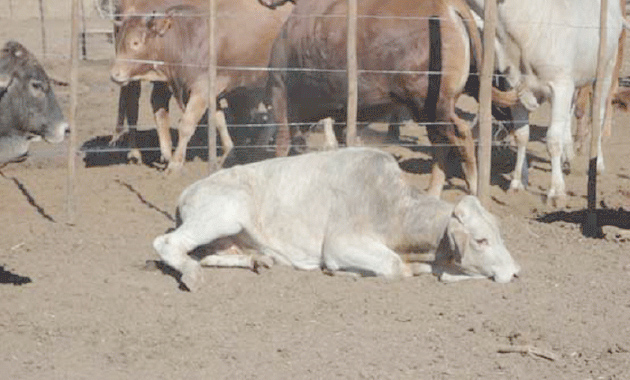
Judith Phiri, Business Reporter
300 000 doses of BOLVAC vaccine have been rolled out countrywide, to counter ticks and the tick-borne disease, Theileriosis also known as January disease to protect the national herd.
Livestock production is an integral part of the lives of the majority of the Zimbabwean population. The livestock sector is an important source of livelihoods and contributes significantly to the growth of the agriculture sector and the economy as well as food and nutrition security.
The Theileriosis vaccine, BOLVAC was first produced by Zimbabwe’s Central Veterinary Laboratory (CVL) in 1989 using Zimbabwe’s own Theileria parva vaccine strain. Production of the vaccine was gradually discontinued in the late 1990s mainly due to high technical staff turnover and inadequate financing.
The resumption of the production of the vaccine commenced in 2022. After receiving financial support from partners for training in Theileriosis vaccine production, the Government through the Department of Veterinary Services resumed production of the BOLVAC vaccine. The Central Veterinary Laboratory managed to produce the first batch of about 20 000 doses on 20 August 2022.
In its latest update on livestock health and disease control, the Ministry of Ministry of Lands, Agriculture, Fisheries, Water and Rural Development said it has put in place operational activities as a way forward in the control of ticks and tick-borne diseases in Zimbabwe.
“300 000 doses of BOLVAC vaccine have been rolled out to counter ticks and tick-borne disease. The Ministry is targeting the districts most affected by Theileriosis (January Disease) and carrying out Theileriosis BOLVAC vaccinations as well as vaccinating cattle earmarked for restocking in the affected districts before movement.”
“We also rolled out the Integrated Ticks and Tick-borne Disease Control Strategy (ITTBDCS) country-wide during the 2023 winter season focusing on the communal small-scale cattle farmers as a Government programme free of charge.”
The Ministry said it has upscaled production of all the three tick-borne disease vaccines to meet the National annual demand for each of the three vaccines.
It said it was also carrying out a similar ITTBDCS during the 2024 winter period charging a cost recovery price for all three vaccines to enable the Department of Veterinary Technical Services (DVTS) to continue producing the vaccines.
The Ministry added: “To reduce costs of maintaining the cold chain for both three tick-borne vaccination and National Artificial Insemination programmes, we are using liquid nitrogen locally produced by the Central Veterinary Laboratory using the newly installed Liquid Nitrogen Plant.”
Agriculture contributes 15 to 20 percent of the country’s gross domestic product (GDP) with livestock contributing 19 percent of the agriculture GDP.
The Ministry said livestock also has the potential to increase this 19 percent contribution up to 36 percent if effective strategies to increase production and productivity are put in place.
“More than 70 percent of rural livelihoods depend on livestock. Livestock are also more resilient than crops to climate change shocks like frequent droughts and are able to buffer key nutritional needs until the conditions for crop production improve.”



 derick.khumalo