malvernmugadzikwa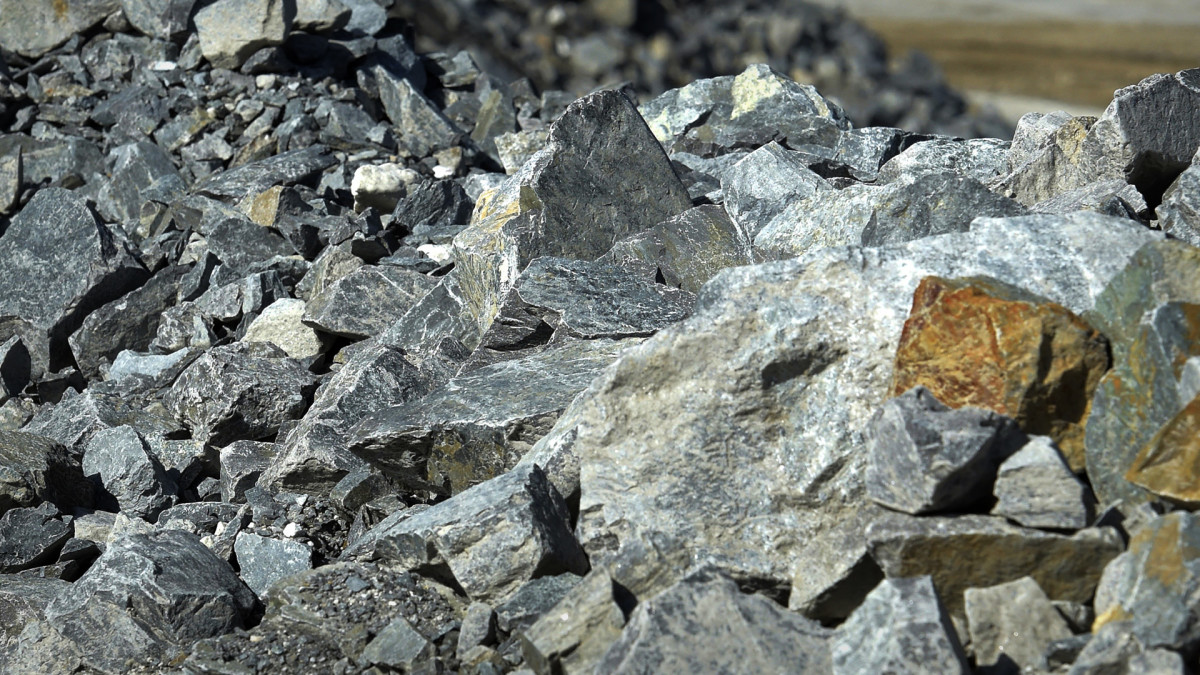
Michael Tome
ZIMBABWE has continued to attract global players seeking to extract critical minerals such as lithium and gold, according to the Zimbabwe Investment and Development Agency (ZIDA).
ZIDA, the country’s investment lobby organisation, revealed that its matchmaking platform indicates the mining sector attracted 18 percent of the total projected potential business valued at US$622,18 million in the first quarter of 2024.
The investment agency said during the period under review, three new lithium mines with an average of 150 hectares were registered in March alone.
Zimbabwe has lately become a centrepiece in the global mining matrix.
A hive of activity has notably been observed in the lithium extraction segment, dominated by Chinese investors, whilst booming activities have been noticed in gold mining investments.
Zimbabwe is known to have rich deposits of lithium, which is a key component in the production of batteries for electric vehicles and high power storage sources for other electronic devices.
With the global demand for lithium expected to rise in the coming years, investors are looking to capitalise on the country’s mineral wealth.
The Government has been actively promoting foreign investment in the mining sector, offering incentives such as tax breaks and streamlined regulations to attract investors, as espoused by President Mnangagwa’s “Zimbabwe is Open for Business” mantra.
This has made the country an attractive destination for lithium mining companies looking to expand their operations.
On the other hand, interest in the gold mining sector continues to soar as investors explore more opportunities.
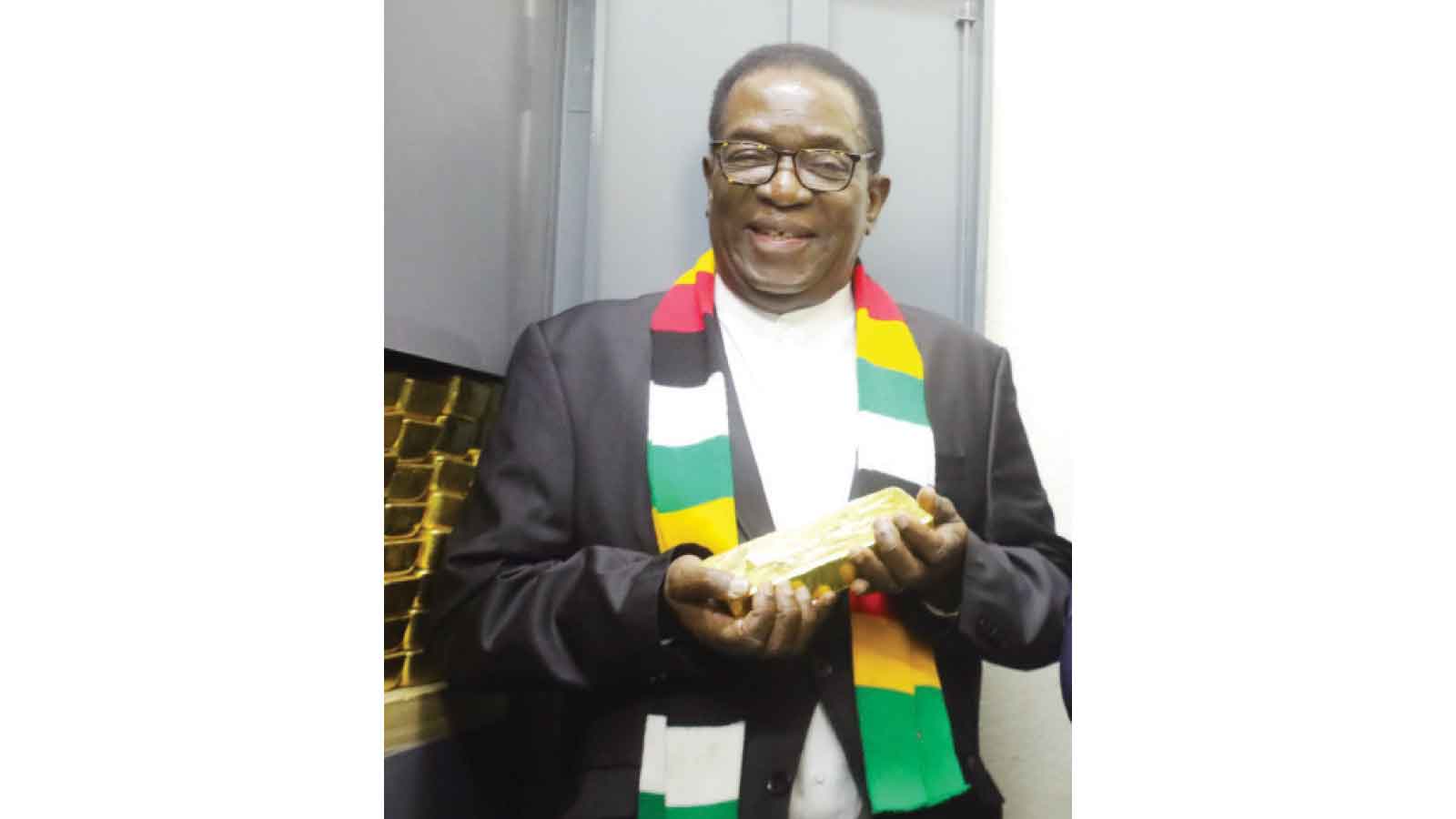
Bullion continues to be a vital cog in the Zimbabwe economic matrix given that gold accounts for roughly 60 percent of national output and has over the years seen massive recovery claiming the pole position as the country’s biggest export earner.
Deliveries to Fidelity Gold Refiners totalled 30,11 tonnes in 2023, compared to the 40 tonnes haul the country had envisioned for the year.
“The agency has diligently enhanced its matchmaking platform to facilitate investment opportunities and partnerships. Investors continue to look for specific minerals, with the highest enquiries on lithium and gold. Three new lithium claims, with an average size of 150 hectares, were registered in March.
“Chinese investors continue to demonstrate significant interest in mining opportunities, securing the majority of new project licences issued in the first quarter of 2024 as 30 out of the 39 projects licensed were awarded to Chinese investors,” said Mr Tafadzwa Chinamo, ZIDA’s chief executive officer in the first quarter report to March 2024.
Chinese-owned companies have acquired the biggest portfolio of lithium mining projects in Zimbabwe. Some notable Chinese acquisitions are Arcadia Lithium Project acquired by Zhejiang Huayou Cobalt for US$422 million from Prospect Resources in 2021 and Bikita Lithium Mine acquired by Sinomine Resource Group.
In November 2021, Shengxin Lithium Energy acquired a 51 percent stake in Max Mind and its subsidiary Zimbabwe Sun Company, and now owns the mining warrants for a total of 40 rare metal blocks located in the Sabi Star lithium tantalum mine project in Zimbabwe, with a total area of 2,637 hectares.
Besides Chinese companies, Australian investors still run the Step Aside Lithium Project. The Government, on the other hand, owns 65 percent of shares of the Kuvimba Mining House that is exploring lithium at Sandawana Mine, while 35 percent is owned by private investors.
The local mining sector is set to realise its full potential and growth after ZIDA commissioned the Mining Claims Matchmaking Campaign towards the end of 2023.
The mining claims matchmaking platform allows ZIDA to market local mineral claims to potential local and international investors.
The platform allows claim holders to register their claims and specify the type of assistance they require from the investor. This can be technical assistance, tributary partnership, joint venture partnership, debt funding or a buyer for the mining claim.
It is a one-stop shop that allows investors to partner with claim holders for possible extraction of the diverse minerals found in Zimbabwe.
It is a web-based platform that allows users to search for available claims, view detailed information about each claim and submit bids.
To register on the platform, claim holders need to scan and upload their identification documents, claim registration certificate, valid inspection certificate and site map, and make a payment of US$500.
On the other hand, investors need to register and submit relevant information, comprising their contact details, investment objectives and the type of mining claim they are interested in after paying a registration fee of US$1 000.
Once an investor’s registration has been approved, they will be able to view registered mining claims and express their interest.
The investor will then be given further details to be able to contact and negotiate with the owners of the chosen claim/s on a one-on-one basis.
ZIDA says this initiative opens the mining space to all willing investors as the process will democratise opportunities for participation in mining for all stakeholders’ platforms irrespective of their level and locality.



 Online Reporter