Remember Deketeke
More than 386 000 candidates are set to begin the 2026 Zimbabwe School Examinations Council Ordinary and Advanced Level examinations today, with authorities assuring the nation that preparations are complete and security measures have been strengthened to safeguard the integrity of the exams.
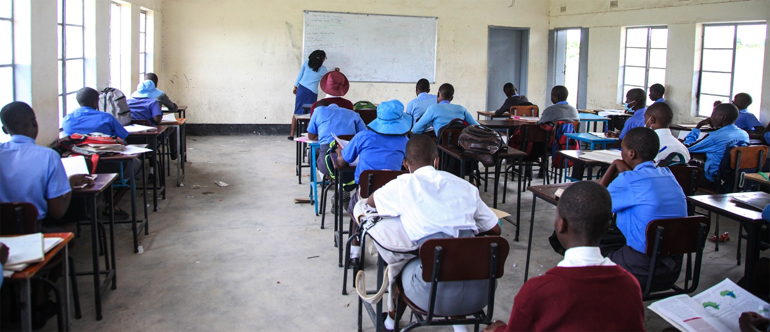
The examinations will be conducted at more than 3 500 centres nationwide, with the Ministry of Primary and Secondary Education working with ZIMSEC, provincial and district education offices, school heads and other stakeholders to ensure a smooth start.
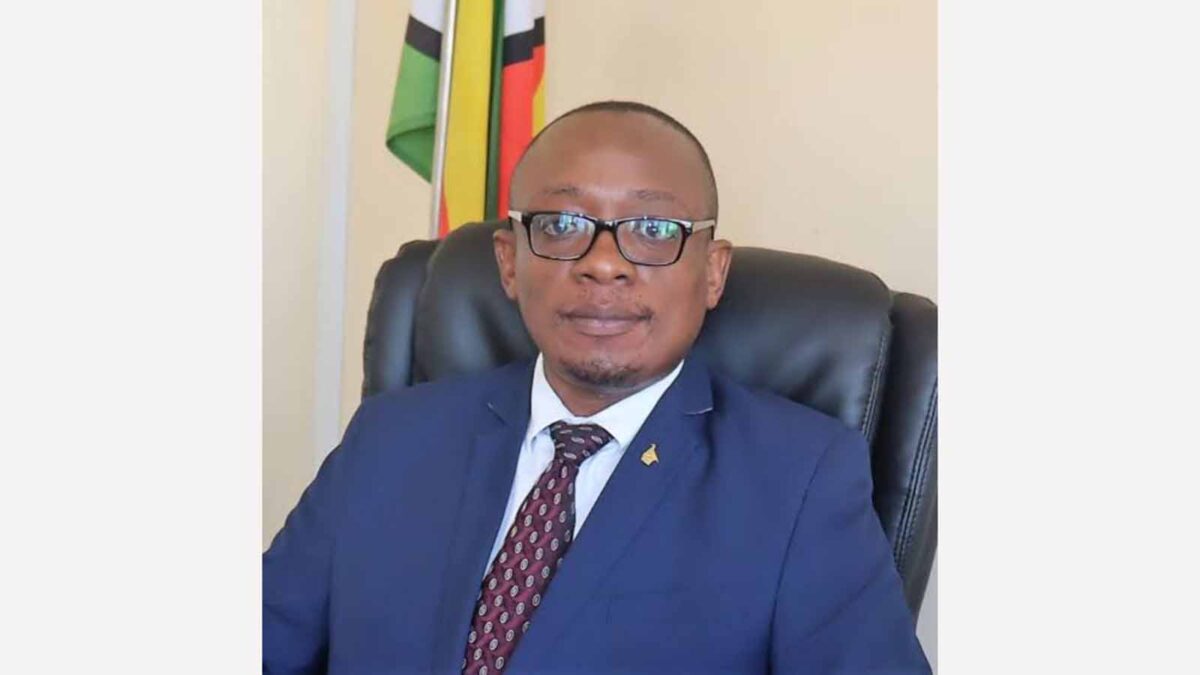
In an interview yesterday, Ministry of Primary and Secondary Education spokesperson Mr Taungana Ndoro said all is set for the examinations to commence as scheduled.
“We are satisfied that preparations are sufficiently advanced for the examinations to commence on October 12,” he said.
“However, readiness is not something we treat as a single event. It is a process that continues right up to the examination period.”
Mr Ndoro said final readiness assessments had covered classrooms and furniture, electricity and lighting, water and sanitation, staffing, accessibility for candidates with disabilities and the security of examination materials.
He said provincial and district education structures were addressing any outstanding operational challenges, with contingency arrangements in place to minimise disruptions.
“Our approach is, therefore, very clear: no avoidable infrastructure or operational challenge should be allowed to prevent a properly registered candidate from writing an examination,” he said.
The authorities have also strengthened examination security to prevent leakage, impersonation, cheating and other irregularities that could undermine the credibility of the examinations.
ZIMSEC has introduced traceable question papers and personalised answer sheets for this year’s examinations as part of measures to tighten controls over examination materials and scripts.
Mr Ndoro said the traceability feature would help link question papers to their designated examination centres, while personalised answer sheets would strengthen safeguards against script substitution and the introduction of unauthorised scripts.
“The traceability feature allows a question paper to be associated with the centre to which it was allocated, while personalised answer sheets strengthen controls against script substitution or the introduction of outside scripts,” he said.
“These safeguards cover the examination chain from printing and packaging through distribution, storage and use.”
He said examination materials would be handled under controlled procedures involving ZIMSEC, the Ministry, examination officials, school heads and security agencies. Examination security is one of the Ministry’s highest priorities,” said Mr Ndoro.
“There will be no tolerance for leakage, impersonation, cheating, collusion, unauthorised materials or any attempt to compromise the integrity of the examinations.”
The Ministry and ZIMSEC have also been monitoring the deployment of invigilators, supervisors, monitors and other personnel to ensure that all centres have the necessary staff to administer the examinations.
Mr Ndoro said contingency measures were in place to address potential disruptions, including transport and logistical delays, electricity and communication challenges, weather emergencies and staffing shortages.
“We are looking at the examination process from the perspective of risk prevention rather than simply responding after something has gone wrong,” he said.
The Ministry acknowledged that candidates had prepared under different circumstances, with some schools and communities experiencing challenges related to learning materials, staffing and interruptions to learning.
Mr Ndoro said efforts were being made to ensure that all candidates sat the examinations under conditions that were as fair and comparable as possible.
“Our responsibility is not merely to open examination rooms on 12 October. Our responsibility is to protect the integrity of the entire examination process,” he said.
“That means ensuring that the candidate in Harare and the candidate in Chivi, the candidate in an urban school and the candidate in a remote rural centre, are all presented with the same examination paper under conditions that are as fair and comparable as reasonably possible.”
Mr Ndoro urged candidates to remain focused and follow examination regulations, while parents and guardians were encouraged to provide support and teachers and examination officials to uphold their professional responsibilities.
“The examinations belong to the candidates and to the nation. Every stakeholder has a responsibility to ensure that they are conducted with integrity, fairness and credibility,” he said.