Vusumuzi Dube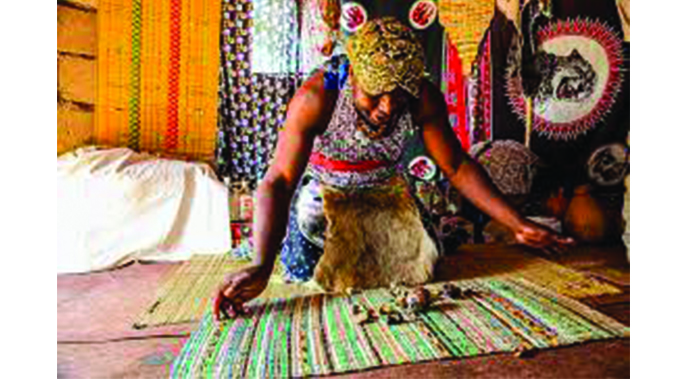
Taboka Tshuma, Sunday News Reporter
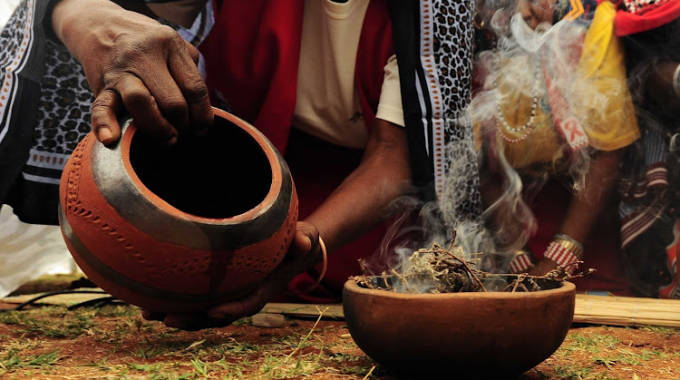
TRADITIONAL healers in Bulawayo have called on the Broadcasting Authority of Zimbabwe (BAZ) to reconsider its decision to ban advertisements of traditional healers’ services and herbs.
BAZ announced the ban in a letter addressed to all broadcasters where it said the ban was guided by Section 23 (a) and (b) of the Broadcasting Services (Code of Conduct for Broadcasters) Regulations, 2023, as read with section 27(4)(e) of the Broadcasting Services (Licensing and Content) Regulations, 2004.
“This letter serves to remind you of the authority’s directive to all broadcasters to stop the broadcasting of advertising content from churches and traditional healers and of traditional herbs and medicines that cannot be authenticated since they tend to mislead the public.
“Please, note that this directive does not stop the broadcasting of discussion programmes or debates, which do not contain advertising content on these issues,” reads part of the letter signed by BAZ chief executive officer, Engineer Tendai Kapumha.
However, traditional healers based in Bulawayo have called on BAZ to reconsider the ban, claiming it had the danger of straining their services and also affecting their livelihoods, limiting their ability to share their knowledge with the community.
In an interview with Sunday News, Zimbabwe National Traditional Healers Association (Zinatha) Bulawayo branch spokesperson, Mr Simbarashe Mpanduki said while they had not yet been formally consulted or informed of the ban, it was unfair as it directly affected their services.

“As Zinatha, we are yet to be informed of this ban hence, I don’t know anything about this letter but if it’s authentic, it is grossly unfair and should be reconsidered as it has a bearing on our services,” said Mr Mpanduki.
Sunday News also interviewed other traditional healers operating in different areas in the city and they all felt that the ban was discriminating against their profession.
“This ban is unfair and a way of marginalising African culture. Traditionally, medicine can never be harmful to us, that’s why we register with organisations like Zinatha to make sure that we do not give people harmful treatment.
“This banning is just a way of embracing Western medicine and doing away with what our ancestors taught us,” said Miss Tracy Ncube, a prominent traditional herbalist operating from the famous Emkambo in Makokoba.

Traditional leaders and herbalists also expressed concern over the economic implications of the ban, as many rely on advertising to reach clients and generate income.
“We have been practicing our craft for generations and our medicines have helped countless people. I am not working, so banning advertisements means I won’t be reaching out to many of my clients anymore,” said Mrs Khethiwe Nkiwane, another traditional healer.
The traditional medicine industry is a significant sector in Zimbabwe, with hundreds of practitioners registered under Zinatha.



 Online Reporter