Online Reporter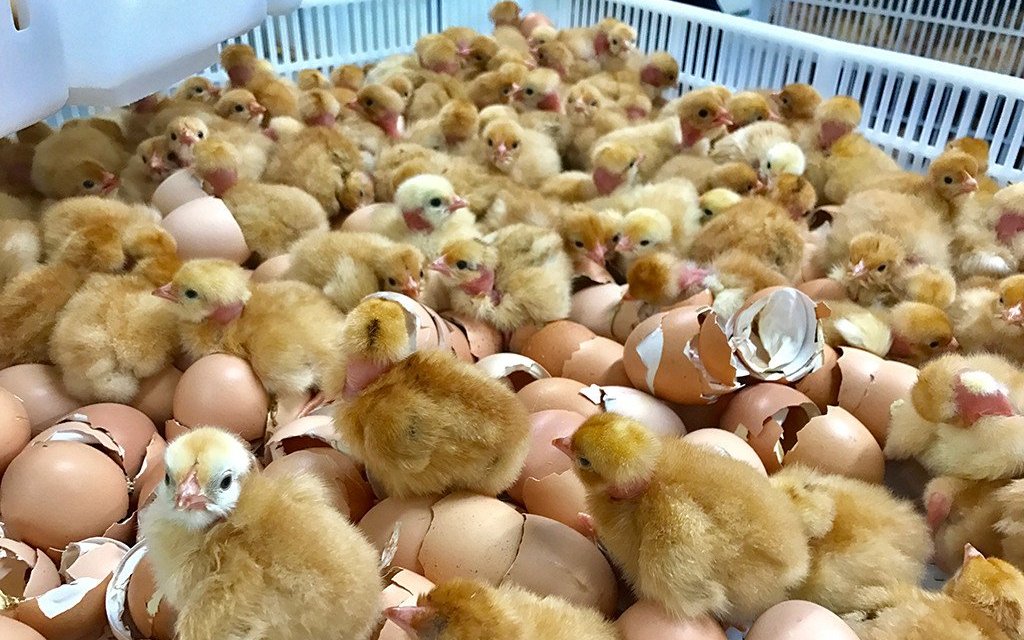
The Herald 5 September 1991
A HATCHERY complex, costing $3 million, at Irvine’s Day-Old Chicks farm in Waterfalls, was commissioned yesterday, boosting supplies to poultry farmers and raising exports.
The large and modern chicken hatchery complex, for the poultry company’s commercial operations, comprises 14 incubators and has a capacity to produce 230 000 chicks a week. With additional housing, the whole expansion project cost $5 million.
The foreign currency for the project was allocated after it was approved by the Zimbabwe Investment Centre and through the Agricultural Export Promotion Programme.
The hatchery was designed to expand to a total weekly capacity of 460 000 chicks. Apart from supplying the local market, the chicks would also be exported to countries in the region.
In his speech at the commissioning, the Minister of Lands, Agriculture and Rural Resettlement, Cde Witness Mangwende, commended Irvine’s Day-Old Chicks for expanding its enterprises. He said this was in line with the Government’s policy of encouraging the creation of additional employment and higher levels of food production.
Cde Mangwende said the Government looked to big organisations like Irvine’s Day-Old Chicks to assist in promoting livestock enterprises in the Pro small-scale and communal areas.
Development of livestock production such as poultry, goats, pigs and sheep was particularly suitable for communal and resettlement farming. Such enterprises would generate a much quicker return to the farmers than would the traditional cattle production which also required a large capital outlay.
The chairman of Irvine’s Day-Old Chicks, Mr Bill Irvine, said the poultry industry had made gigantic strides during the past 40 years that it had been formalised in Zimbabwe.
“It is now worth around $200 million per year and I forecast that it will reach at least $500 million per annum by the year 2000 with exports not less than $100 million per annum,” Mr Irvine said.
Lessons for today:
The commissioning of their $3 million hatchery complex, teaches several valuable lessons especially in the context of business development, agriculture, and national progress. Irvine’s invested heavily in expanding its hatchery, showing that strategic investment in infrastructure can lead to growth in both local supply and exports.
The Government recognised Irvine’s role in creating jobs, boosting food production, and supporting small-scale farmers. This shows how private enterprises can complement public policy goals, especially in agriculture and food security.
By producing chicks for both local and regional markets, Irvine’s contributes to foreign currency earnings and regional trade.