Sikhulekelani Moyo
Zimpapers Business Hub
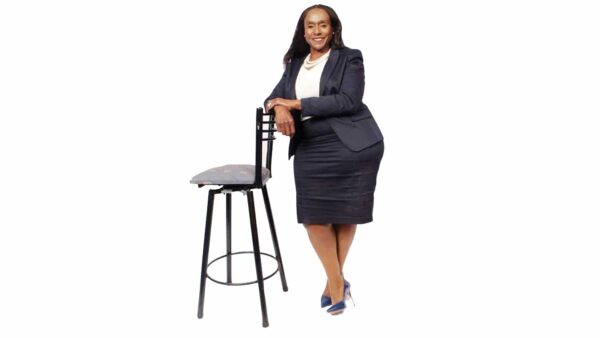
Zimbabwe Investment Development Agency and Zimbabwe International Trade Fair Company chairperson Dr Busisa Moyo has proposed four key pillars to drive intra-Common Market for Eastern and Southern Africa trade and investment.
The Government has the perfect opportunity to push for these key pillars after taking the chairmanship of the trading bloc during the 25th COMESA Heads of State and Government Summit in Mt Hampden yesterday.
Facilitating discussions during the COMESA Business Forum in Harare on Tuesday, Dr Moyo said the regional bloc should prioritise COMESA-based businesses and build enterprises geared for a multi-million-dollar market, not just local markets.
COMESA encompasses a total population of approximately 680 to 698 million people, representing roughly 8,5 percent of the global population. The total market size —measured by the combined Gross Domestic Product (GDP) — is valued between US$1,12 trillion and US$1,23 trillion.
The bloc is of paramount strategic importance to Zimbabwe and all member states because it serves as a critical gateway to a massive market of over 640 million people, driving industrial growth, regional security and economic self-sufficiency.
Zimbabwe is leveraging its position to advocate for faster visa liberalisation and the elimination of non-tariff barriers to boost local tourism and business connectivity.
Dr Moyo said the first pillar should entail co-creation, where indigenous COMESA businesses regularly meet under the umbrella of COMESA Business Council chapters to brainstorm emerging opportunities, impediments and pain points that improve trade and investment. He said the policymaker-private sector nexus is only as potent as the depth of research and effective fora to tackle issues.
He cautioned: “We shouldn’t be making COMESA attractive for multinationals, but for COMESA-based businesses and those who are COMESA-minded.”
He said the second pillar should focus on champions, noting, “We need to profile current COMESA champion businesses and entrepreneurs.
“This will inspire more and more COMESA-wired businesses who take advantage of the 600m+ people market, building businesses that are geared for scale at COMESA and not just national in orientation,” he said.
Mr Moyo said value chains should be spread across the region, such as “grown in Malawi, processed in Zimbabwe and packaged for market in Zambia and marketed in Namibia and DRC”.
He cited Curated Collaboration as the third pillar.
Dr Moyo said the 21 member states should be collaborating at the private sector level and public sector level on common standards for products, policies and tackling bad practices that impede trade, non-tariff barriers (NTBs) and should give regular feedback to players and actors, noting this point was shared on the panel by Coca-Cola executives.
“A common market is good, but an economic union is even better!” he said.
Dr Moyo suggested Capacity Building for Inclusivity as the final pillar.
“MSMEs, particularly those run by women and youth, should be capacitated with knowledge, resources, technology and finance so we grow them into larger corporations that can be tomorrow’s champions.”
“Researchers and academia in the 21 member states can add value in the area for relevant and impactful research.”
The COMESA Business Forum was one of the multiple engagement series run during the COMESA Summit held in Harare, where Zimbabwe assumed the bloc Chairmanship.
The chairmanship handover from Kenya at the 25th COMESA Heads of State and Government Summit in Harare places Zimbabwe at the forefront of efforts to advance regional integration, industrialisation and investment while strengthening peace and security across the region.