Online Reporter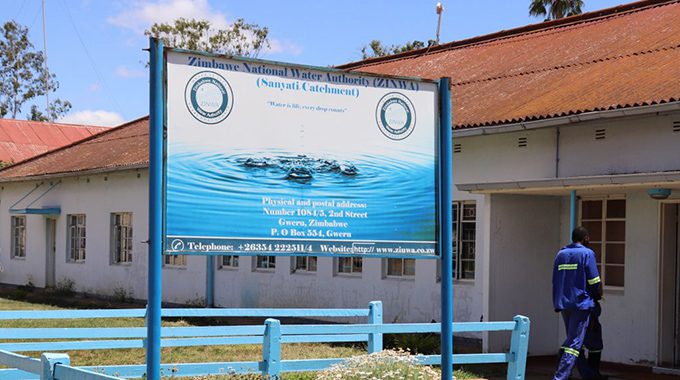
Patrick Chitumba, Midlands Bureau
More than 400 village and school business units have been established nationwide under the Presidential Rural Development Programme.
Launched in 2021, the initiative aims to stimulate economic growth and improve livelihoods in rural areas across the country.
Central to the programme is the creation of agricultural value chains by promoting horticulture, aquaculture and livestock farming, all meant to boost rural industrialisation.
Each of the country’s 35 000 villages is set to receive a solar-powered borehole, ensuring year-round access to water.
Additionally, every village is expected to establish a fully registered company, providing members with the opportunity to earn a monthly income.
The Zimbabwe National Water Authority (Zinwa) is the lead implementing agency for this transformative programme. Zinwa is also responsible for spearheading the establishment of business units at schools and vocational training centres.
According to Zinwa Corporate Communications Manager, Mrs Marjorie Munyonga, the programme encompasses the facilitation of sustainable development projects in line with the Government’s vision for rural transformation.
“Since the launch of the programme in 2021, over 400 village, school and youth business units have been established across the country while over 100 000 households now have access to clean and safe drinking water,” she said.
The village business units are now supplying agricultural produce to supermarkets, boarding schools, and business centres.
“Under the Presidential Rural Development Programme, the Government intends to drill a borehole for each of the country’s 35 000 villages, a borehole for each of the country’s 9 600 schools and a borehole for each of the 4 500 vocational training and youth centres,” Mrs Munyonga said.
The solar-powered boreholes will each have 10 000-litre water storage tank and each village will have 1-hectare under drip irrigation, two fishponds and a communal water point.
Zinwa is responsible for infrastructure development while the Agricultural Rural Development Authority manages the day-to-day operations of the business units.
The Agricultural Marketing Authority secures markets for the farmers’ produce and the Agricultural Finance Corporation provides funding with beneficiaries serving as both employees and shareholders.
Some communities that have benefitted from the programme are already realising earnings as high as US$3 000 in dividends per year and as much as US$50 in monthly payouts.