Online Reporter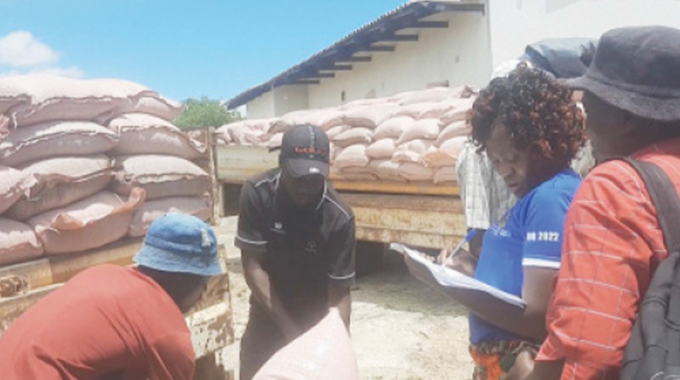
Sukulwenkosi Dube-Matutu, [email protected]
THE food relief programme in Matabeleland South Province has been expanded this year to assist about 432 400 households, up from 322 927 last year, in direct response to the severe impact of the El Nino-induced drought.
Presenting a health and social services report during a provincial development committee meeting, Matabeleland South provincial social welfare officer, Mr Criswell Nyakudya, said 370 164 households are receiving support under the Department of Social Development’s food deficit mitigation strategy.
An additional 63 000 households are benefiting from programmes implemented by development partners.
Mr Nyakudya said the intervention follows appeals from community members for increased food mitigation measures as the drought has worsened living conditions. He also stressed that the department is committed to continued stakeholder engagement to ensure social protection within communities.
“We have intensified the drought mitigation programme in the province following an increase in food insecure households as a result of the El Nino-induced drought.
“Last year the programme was assisting 322 927 under the food deficit mitigation strategy, and this year the number of beneficiaries under the food deficit mitigation strategy has increased to 370 164,” he said.
“Our development partners have also come in to assist in bringing the total number of households that will be benefiting to 432 400.”
Mr Nyakudya said officials involved in food distribution have been engaged to ensure the programme reaches its intended beneficiaries. He also noted an increase in the number of children supported under the Basic Education Assistance Module (BEAM), which now assists 99 520 children, up from 97 578 last year, with development partners complementing these efforts.
Furthermore, Mr Nyakudya stated that 60 285 vulnerable migrants entered the country last year through various ports of entry in the province.
These individuals received assistance through Government intervention and support from development partners. Some migrants have also been incorporated into programmes aimed at reducing risky migration, particularly among adolescents.
Mr Nyakudya stressed the importance of effective social protection systems, policies, and programmes in reducing poverty and vulnerability, addressing inequality, and promoting inclusive growth, which aligns with Sustainable Development Goal 1.
“Through the National Social Protection Policy Framework (NSPPF) and the National Development Strategy 1 (NDS1), we will continue to implement appropriate social protection systems, including social assistance, social insurance, social support and care services, livelihoods support, and labour market interventions,” he said.
“To ensure improved care and protection for vulnerable groups, we will continue to strengthen coordination mechanisms and enhance stakeholder engagement to build social cohesion.” —@DubeMatutu