Chronicle Editor
Nqobile Tshili in Binga
It was tears of joy as Mrs Janet Nyoni murmured words of gratitude in Tonga, a local language predominately spoken in Binga District, soon after receiving a bag of grain yesterday.
For Mrs Nyoni, a village head for Siamaanzi 3 Village in Binga District, Matabeleland North Province, the grain was a big relief as she is now has enough food for herself and her grandchildren for the next three months.
The elderly woman is one of the 5 000 people from Binga District benefiting from the Government-sponsored food deficit mitigation strategy and cash transfer programme launched in May.
Binga has 136 124 registered beneficiaries for the food aid distribution and on Thursday the Department of Social Welfare distributed to at least 5 000 people in single ward covering them for three months.
They were given mealie meal and grain.
Under the programme, the Government through the Department of Social Welfare, is distributing grain to vulnerable and food-insecure people across the country. Government has put in place a cocktail of measures including availing food aid to both urban and rural areas to feed at least 7,7 million people following the devastating El Nino-induced drought during the last cropping season.
People in the rural areas are being given 22,5kg of maize per person after every three months. Binga, like most districts across the country, has been hit hard by the drought as most families did not harvest anything last season.
Yesterday, Sinakoma area in the district was a hive of activity as villagers received both cash and grain. According to the 2023 Zimbabwe Livelihood Assessment Committee report, Binga District has one of the highest poverty levels and most families are food-insecure this year.
Mrs Nyoni welcomed the Government’s food distribution programme saying the villagers had been struggling to put food on the table.
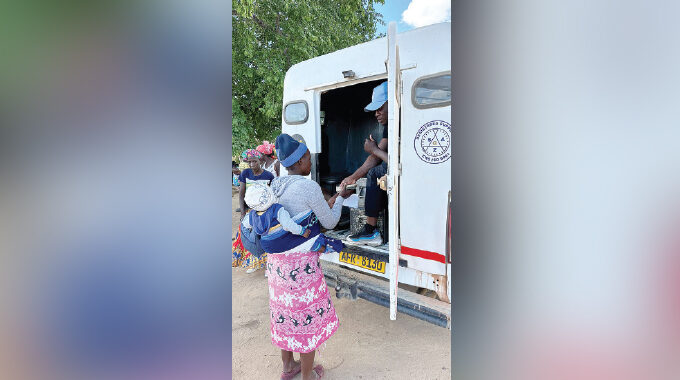
“Today our communities will have a better meal although our challenge will be relish. It has been tough as some people were now surviving on baobab fruit while others were selling firewood to raise money to buy food,” she said.
Mrs Nyoni said the people were happy to receive the maize but were having challenges in terms of accessing water. Another village head, Mr Albert Nyathi from Fulunga, was also smiles as he received his ration.
“This is a great relief because most families had runout of food as many did not harvest anything last season. There is however an urgent need to review the beneficiaries list as some families that were left out have also run out of food,” he said.
Matabeleland North provincial social welfare officer, Mr Sicelo Nyathi, said Government was working with development partners to scale up the distribution of grain in Binga District as the Second Republic steps up efforts to avert starvation in the wake of the El Nino-induced drought.
Following the El Nino-induced drought, President Mnangagwa declared the drought a state of disaster.
“As Government, we have started food distribution in Binga and other districts across the country. In Binga more than 10 wards out of 25 have received grain and mealie-meal from the Department of Social Welfare,” said Mr Nyathi.
Nearly 5 000 people in Binga will benefit with each person receiving 22,5kg to cover the three months. Development partners are also providing cash and each person is being paid US$13.
“We are covering all the seven rural districts of Matabeleland North and we are giving the beneficiaries three-month allocations,” said Mr Nyathi.
A multi-sectoral approach has been adopted in the distribution of food with the World Food Programme paying for the transportation of the grain. Mr Nyathi commended Unicef and World Vision for paying cash to beneficiaries saying the cash is complementing the Government’s food distribution programme.
The programme has so far benefited more than 3 000 people and Chronicle news crew yesterday witnessed some of the beneficiaries in Binga being paid cash. Mr Nyathi said the able-bodied who were receiving food aid were participating in the food-for-work programme.
“They participate in the food for work programme as part of the building back better. They work on projects that are identified by the rural district councils working with village development committees,” said Mr Nyathi.
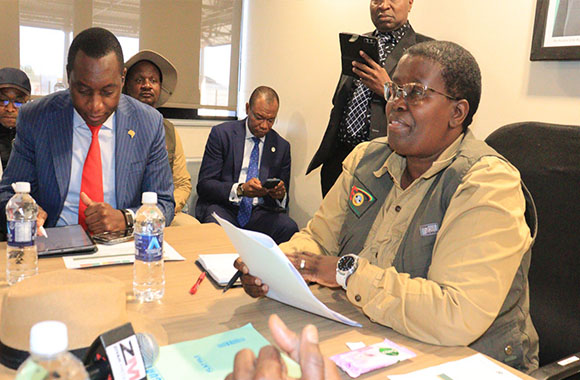
Unicef social protection specialist Ms Ruth Utete said the cash transfers complement Government efforts to provide relief food and cash to vulnerable communities.
She said Unicef pays cash to vulnerable community members for six months and then the Government takes over.–@nqotshili


 Online Reporter