

 Chronicle Editor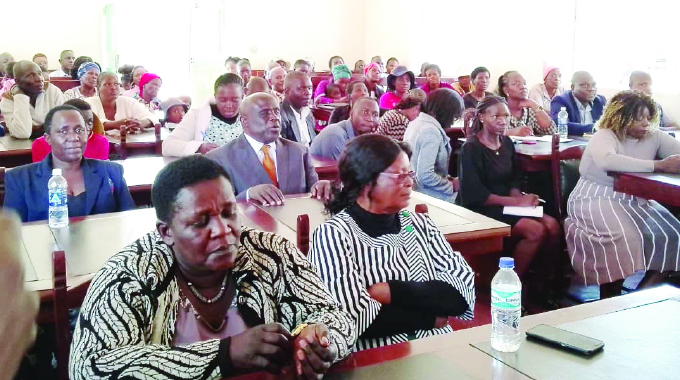
Flora Fadzai Sibanda, [email protected]
OVER 5 000 diasporans from Tsholotsho in Matabeleland North province are receiving their antiretroviral (ARV) drugs from local clinics facilitated by cross-border transporters known as Omalayitsha.
The National Aids Council (NAC) revealed this on Monday during a Parliamentarian public hearing outreach on HIV/Aids held in Tsholotsho District.
NAC launched the drug supply programme for migrant workers, who frequently travel to South Africa and other neighbouring countries in search of work, to ensure easy access to their medication.
The universal distribution model ensures that their families collect the packs and give them to cross-border transporters, who then deliver them to the clients.
However, challenges like the lack of permits for cross-border transporters and expensive viral load tests in South Africa still exist and have been brought to the Parliament committee’s attention.
Tsholotsho District HIV/Aids programmes and research co-ordinator, Mrs Sithandekile Ncube, shared some of the statistics with delegates that show the impact of the drugs distribution programme.
“We have a total of 5 228 ART clients who are based in the diaspora and are collecting their medication from our clinics,” she said.
“From this total, 3 849 are based in South Africa, and the rest are scattered in other neighbouring countries. From the research we have been doing, we have concluded that of the total based in South Africa, 2 038 are females and 1 811 are males.”
She said the programme has shown positive results since its initiation in 2019, with most diaspora clients adhering to medication schedules.
“It’s very difficult for these people to travel after every three or six months to come and collect their medication. We all know how difficult life is and frequent travelling leaves an economic dent in their pockets,” said Mrs Ncube.
In separate contributions, residents taking medication for their families said despite the programme’s sustainability, there were many challenges. They urged the Government to help them address their concerns and ensure their relatives continue on medication despite the countries they are working in.
Miss Siphiwe Ngwenya said the cross-border transporters sometimes face challenges when crossing the border with medication as they do not have any formal written documentation to show border authorities.
“These people end up smuggling the pills and at times they throw them away when they come across authorities who accuse them of smuggling illegal drugs. May the committee here please take it to Parliament so that our Ambassador in South Africa may organise a permit allowing these cross-border transporters to move with the pills freely considering that they will be able to account for the bottles they have and the number of people they are carrying for,” she said.
Another villager, Mr Anele Ncube said despite being able to get their medication on time, their diaspora relatives were having challenges with getting their viral load checked on time. Viral load tests are done to see if the medication a client is taking is working and suppressing the virus so that if it no longer works, other alternatives like changing medication can be done.
“Getting the viral load checked in South Africa is very expensive if you are a foreigner. Some say they have to pay up to R800 for a blood test,” he said. “Most of our relatives cannot afford it. If possible may Parliament consider speaking with the South African Health Ministry so that these charges are lowered a bit,” he said.
Chairperson of the HIV/Aids Parliamentary Committee, Mrs Angeline Tongogara, said they were excited that people came forward to participate in the hearings and were free to share their comments on the challenges they are facing. She said the hearings were a national exercise and hoped once they were done they would have collected enough data to help reduce new cases of HIV/Aids in the country. while keeping those on medication under adherence.



 Online Reporter