Online Reporter
Tendai Gukutikwa
Mutare Bureau
AT least 500 faith leaders have been trained as malaria ambassadors under a nationwide campaign spearheaded by the Ministry of Health and Child Care in partnership with the Faith Leader Advocates for Malaria Elimination.
The initiative, which is being rolled out across provinces, seeks to capacitate clergy from different religious groups to lead malaria awareness, prevention and early treatment campaigns within their communities.
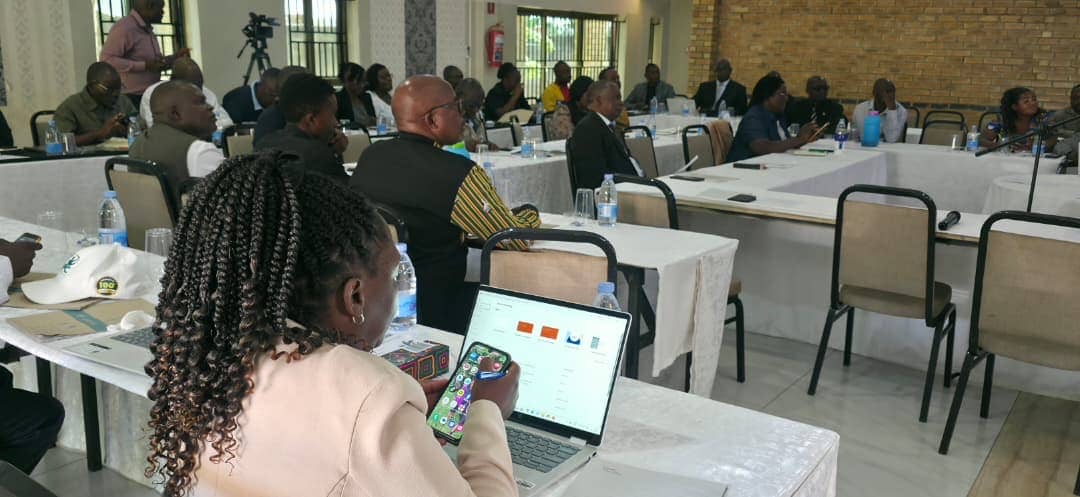
Speaking during a recent training workshop held in Mutare last week, Manicaland Provincial Medical Director, Dr Munyaradzi Mukuzunga, said the programme was part of efforts to strengthen community response to malaria.
He said the nationwide rollout of the programme marks a significant step in Zimbabwe’s efforts to eliminate malaria through strengthened community engagement.
“We have been engaging religious leaders from various churches and faiths on malaria training over the past two days. These leaders are critical in helping us reach communities with life-saving information.”
Dr Mukuzunga said the involvement of faith leaders comes at a time when malaria continues to pose a serious threat, particularly in high-burden provinces such as Manicaland.
He said trained faith leaders are expected to act as ambassadors by educating their congregations on malaria prevention methods, recognising symptoms and seeking early treatment.
“When they interact with their congregants, they should be able to promote preventive measures and encourage people to seek help early through community health workers.”
Dr Mukuzunga said the programme was expected to improve community awareness, promote early treatment-seeking behaviour and reduce malaria infections and deaths.
He said the success of the initiative would depend on how effectively trained ambassadors shared information at grassroots level.
“If we can reach communities through these leaders, we can significantly reduce the burden of malaria and save lives,” he said.
The FLAME initiative, which is complementing Government efforts, is targeting to reach all faith leaders across the country.
In an interview, Bishop Jeremiah Mangiza of the Methodist Church in Zimbabwe said the programme was established after realising the impact of malaria on communities and the influence of religious institutions.
“We started FLAME after recognising that malaria is a menace in Zimbabwe. As faith leaders, we resolved to integrate malaria awareness into our teachings and outreach programmes.”
Bishop Mangiza said more than 500 faith leaders had already been trained under the initiative, with plans to expand the scheme.
“We are targeting all faith leaders across the country. While we may train about 150 at a time, our goal is to reach as many as possible and ensure that they take up the responsibility,” said Bishop Mangiza.
He said the voluntary programme is designed to augment Government efforts by using existing church and religious structures to disseminate information.
“This is about supporting the Ministry of Health by using platforms that are already established within communities,” he said.
At regional level, the initiative has also been implemented in several countries, strengthening collaboration across borders.
In an interview, Bishop Shadreck Chembe of Independent Churches in Zimbabwe said FLAME had established structured systems that allowed for coordination and monitoring of activities.
“We have created structures at national, provincial and district levels involving different faith-based organisations. These structures help us coordinate our work effectively.”
Bishop Chembe said reporting mechanisms hadbeen put in place to track progress and ensure accountability.
“Each district prepares reports which are submitted to the province and then to the national level,” said Bishop Chembe.
Reverend Clifford Nunu Ndlovu of the Methodist Church in Zimbabwe said the church had a responsibility to address public health issues.