Online Reporter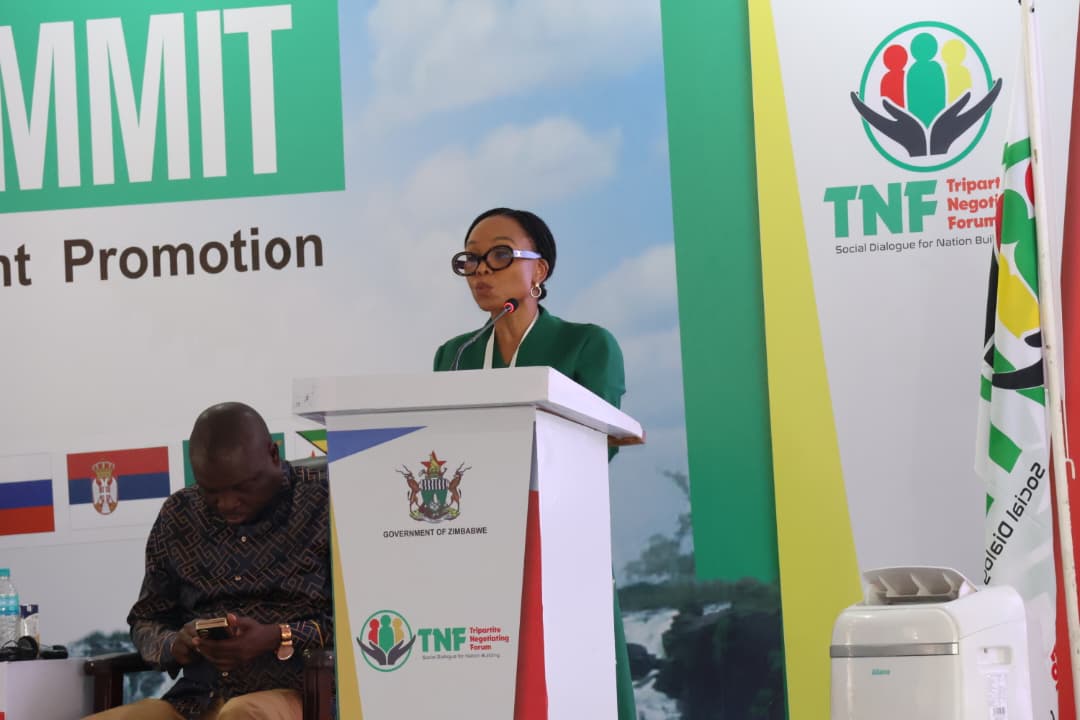
Theseus Mauruki Shambare in VICTORIA FALLS
ZIMBABWE must accelerate efforts to formalise its sprawling informal economy, with the International Labour Organisation (ILO) warning that informality is leaving millions of workers without secure incomes, decent working conditions and adequate social protection.
ILO Country Director for Zimbabwe and Namibia Ms Philile Ntombikayise Masuku said 58.5 percent of total employment was informal, while 76.1 percent of business establishments operated informally, highlighting the scale of the challenge facing the country’s labour market.
“Our UN Common Country Analysis highlights the scale of this challenge. 58.5 percent of total employment is informal, while 76.1 percent of business establishments operate informally,” she said.
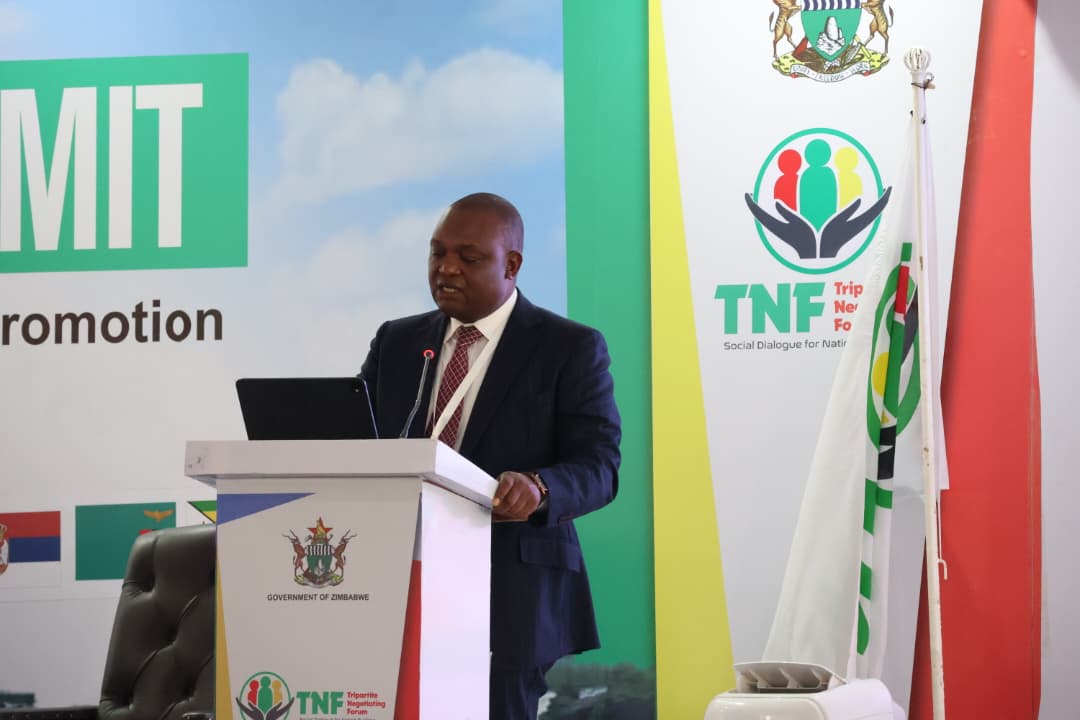
Ms Masuku was speaking ahead of the official opening of the inaugural Zimbabwe Tripartite Negotiating Forum (TNF) Global Summit in Victoria Falls, being held under the theme “Inclusive Growth, Decent Work, Beneficiation and Investment Promotion.”
She said high levels of informality were associated with low and insecure incomes, limited rights at work and inadequate social protection.
“Informality also constrains productivity, domestic resource mobilisation, and investment in public services,” Ms Masuku said.
She said Zimbabwe’s economic transformation should include a progressive transition from informal to formal employment while ensuring workers benefited from decent working conditions and social protection.
Ms Masuku said economic growth needed to be “productive, employment-intensive, equitable, and sustainable”, with decent jobs providing fair incomes, security and dignity.
She also called for stronger links between education, training, investment and labour-market demand to create pathways into decent work, particularly for young people and women.
As digitalisation and platform-based work reshape the employment landscape, Ms Masuku said innovation should be accompanied by skills development, workers’ rights and social protection.
The TNF brings together Government, organised labour and business to deliberate on Zimbabwe’s economic transformation and labour market.
Ms Masuku said the summit’s success should ultimately be measured by “the partnerships we strengthen, the policies we improve, the investments we mobilize, and the decent jobs we create.”