Chronicle Editor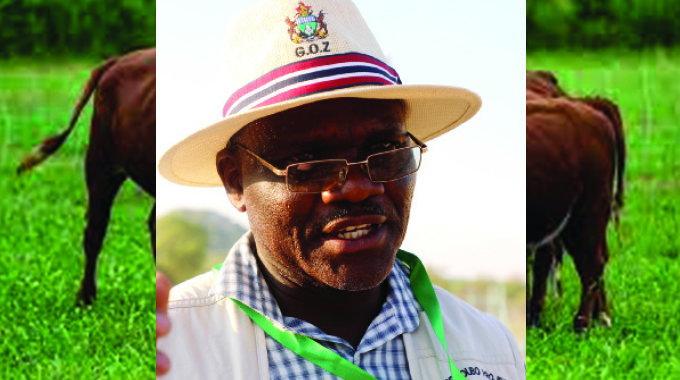
Sukulwenkosi Dube, Matutu [email protected]
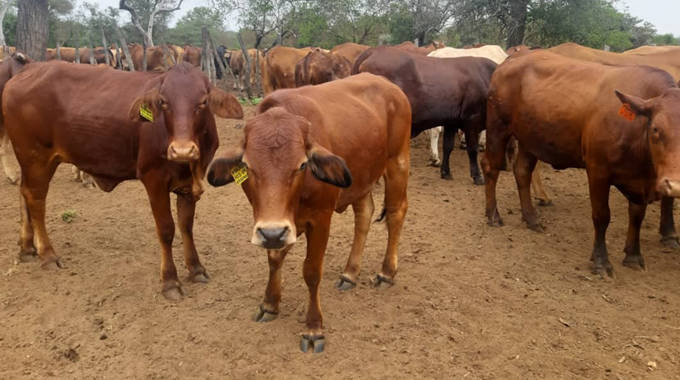
AT least 7 000 cattle have succumbed to January Disease and drought-related deaths in Matabeleland South over the past two years, with the Government and its partners scaling up collaboration to reverse the trend.
Farmers have also been urged to adopt mitigation measures to protect livestock from drought and lack of pastures.
A Government-driven borehole-drilling programme is already underway to provide water for livestock watering. An estimated 3 000 cattle have died in the province since October due to drought and Bulilima District is the worst affected as it has lost more than 1 000 cattle.
Weather experts have predicted that most parts of the country will receive normal to below-normal rainfall due to the El Nino effects, which calls for enhanced interventions.
This comes as the country has declared war against January Disease, which has claimed over 500 000 cattle in the past five years. Increased production of the Bolvac Vaccine for Theileriosis (January Disease) is at the heart of mitigation measures to curb the spread of the disease, which was first reported in Insiza before spreading to Umzingwane and Bulilima districts.
This must be complemented by a strict dipping programme for all farmers in line with the set Veterinary Services Department guidelines.
The acting provincial director for Agricultural Rural Development and Advisory Services for Matabeleland South, Mr Mkhunjulelwa Ndlovu, said the loss of cattle was a cause for concern.
“The province has lost about 7 000 cattle to January Disease and drought. A livestock drought relief task force has been set with the main objective being to assess livestock condition, assess water situation, mobilise drought mitigation resources, proffer recommendations and identify quick fix solutions,” said Mr Ndlovu.
He said most water sources were drying up and becoming muddy making them death traps for the already weak animals.
Mr Ndlovu urged farmers to take their cattle to watering points and to monitor their movements.
“Farmers must ensure that their animals get enough water during this time of the year when most water sources have dried up. Poverty deaths can be reduced through ensuring that animals have access to adequate drinking water,” he said.
Mr Ndlovu said farmers should also provide supplementary feeding for their animals as pastures are fast diminishing.
“As a long-term measure, those with big arable land must adopt the climate-proofed programme where we are saying a maximum of five plots should go towards producing food crops and the rest of the land around two hectares should go towards growing fodder legumes and grasses for animals,” he said.



 Online Reporter