Online Reporter
Stanford Chiwanga, Quality Editor
IT’S a lamentable fact for any Zimbabwean football purist that the giants of our game are facing an existential crisis.
As a staunch Dynamos supporter, it may seem an act of heresy to admit I don’t own my beloved club’s shirt.
Instead, my wardrobe holds two jerseys of our fiercest rivals, Highlanders — a tribute born not of treachery, but of sheer admiration for their aesthetic. Yet, this simple sartorial choice is a microcosm of a much graver reality: Dynamos, Highlanders, and even CAPS United are under relentless assault from a new breed of well-financed clubs.
This threat goes beyond simple relegation; it looms instead as extinction.
Zimbabwe’s footballing landscape is shifting dramatically. The once-mighty trio of Dynamos, Highlanders, and CAPS United — the traditional powerhouses of our domestic game — are now shadows of their former selves. Once perennial title contenders, they now cling to mid-table mediocrity, watching helplessly as new, modern rivals rise to dominance. The balance of power is officially broken.
The statistics reveal a sobering reality for Zimbabwe’s football giants, who have endured a prolonged drought in league success over the past decade. Dynamos, once the dominant force with a record 21 league titles, last lifted the championship in 2014. Highlanders, with seven titles to their name, have not tasted league glory since 2006, marking nearly two decades without a win. CAPS United, though slightly more recent champions, have also struggled, with their last triumph coming in 2016. This decline underscores a significant shift in the domestic football landscape, where the traditional titans have failed to maintain their former dominance.
Since Dynamos’ last league triumph in 2014, a new era has emerged, marked by the rise of newer or previously less dominant clubs. With the exception of CAPS United’s 2016 victory, the premiership title has been claimed seven times by these emerging forces. Chicken Inn secured their maiden title in 2015, followed by FC Platinum’s impressive run with four championships in 2017, 2018, 2019, and the 2021–22 season. Ngezi Platinum Stars joined the winners’ circle in 2023, and Simba Bhora completed a fairy-tale ascent from Shamva to the top by clinching the 2024 title.
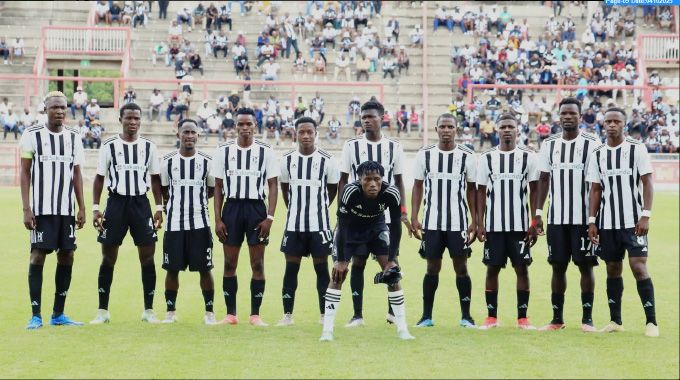
Furthermore, during the broader drought years of the big three, other clubs such as Monomotapa United, Gunners, and Motor Action each had their moment in the sun.
These new champions are not merely winning matches; they are building empires backed by corporate muscle or visionary individuals.
They have the resources, modern infrastructure, and ambition to dominate for years to come — a dominance the old guard cannot match until they fundamentally change their financial structure.
Dynamos and Highlanders are effectively stuck in a time warp — romanticising past glories while the future of football races ahead.
Their massive fan bases and rich histories count for little in the modern era, where titles are won through money, strategic planning, and modern management. If Zimbabwe’s traditional football giants are to survive and thrive in the modern era, they must undergo a complete reinvention.
The blueprint for success is already evident within the local league. Clubs like FC Platinum and Simba Bhora have demonstrated the power of corporate and mining backing, enjoying stability and consistent success thanks to substantial financial support. Similarly, the rapid rise of teams such as Scottland FC and MWOS highlights the impact of private investment, where individual backers fund infrastructure development and attract top-tier talent.
To remain competitive, the legacy clubs must look beyond local models and adopt continental best practices. Emulating South African giants such as Kaizer Chiefs, Orlando Pirates, and Mamelodi Sundowns — who operate as commercialised brands and professional institutions — could offer a sustainable path forward. These clubs blend footballing excellence with business acumen, creating robust structures that support long-term success both on and off the pitch.
I wear my Highlanders jersey in desperation; I want the Dynamos versus Highlanders fixture to mean something again — not just a nostalgic derby, but a title decider. The time for sentimentality is over; football has changed, and it’s time our giants did too. For that to happen, the old guard must embrace the new game. The transition from community-trust structures to being owned by rich, resourceful companies or individuals is no longer optional — it is a matter of life and death. Because if they cling to their current, archaic structures, their chances of sustained survival in the next ten years are as promising as an ice cube’s prospects in hell.