admin
admin
000 households connected to the water system.
According to the 2012 preliminary census results, Harare has 531 967 households with an average family size of 3,9 people.
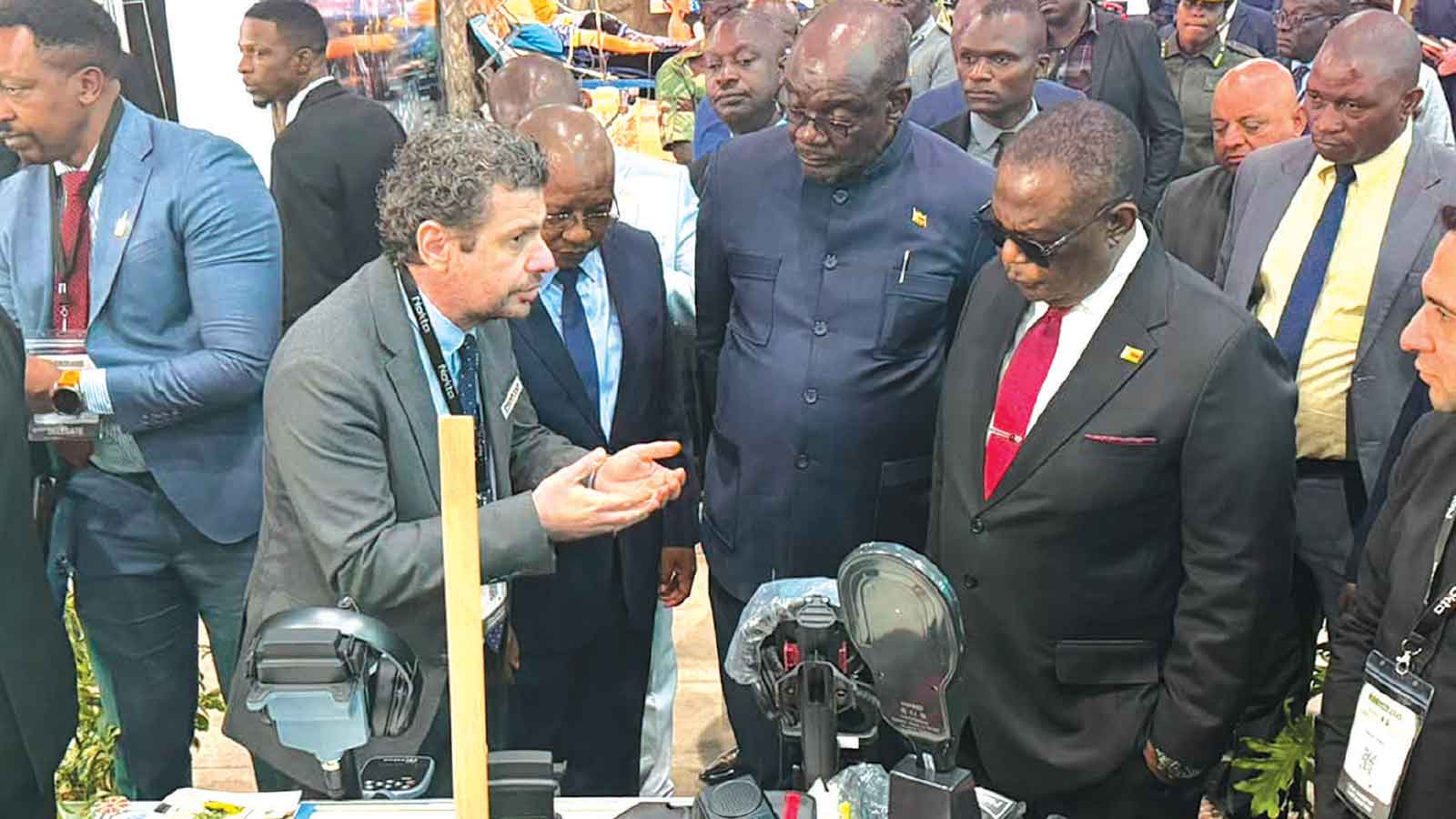
Recent assumptions are that Harare is producing enough water but is losing up to 60 percent of it through leaks and thefts. Addressing a high powered delegation from eThekwini Municipality (Durban) and the World Bank at Town House yesterday, Eng Zvobgo said the majority of the illegal connections were from housing co-operatives and new developments.
The team from eThekwini Municipality is in Harare to assist the city reduce non-revenue water (water that is lost through leaks and illegal connections) and to ensure residents receive water on a daily basis.
The quest to provide uninterrupted water has been dubbed 24/7.
eThekwini customer services manager Mr Teddy Gounden said his municipality wanted to assist Harare to enable residents get uninterrupted water supplies.
“We have assisted many smaller towns and cities.
“We have also assisted Bulawayo,” he said.
The team’s brief is to assist in the areas of tariff formulation, establishment of a stand-alone water utility, and water conservation among other issues.
eThekwini would assist in identifying funding partners, help improve Harare’s customer care and the billing and revenue collection. The South African city collects up to 96 percent of its water revenue from customers while Harare collects only 60 percent.
The two parties are expected to sign a cooperation agreement that would see the exchange of employees and transfer of skills. When the whole project is fully implemented — operations at Harare Water would be automated allowing the monitoring of the whole 6 000km water and 5 000 km sewer reticulation from a central point.
This means bursts and leaks could be noticed from a central location.
At the moment the department makes physical checks on its water and sewer reticulation system.



 Online Reporter