


 Online Reporter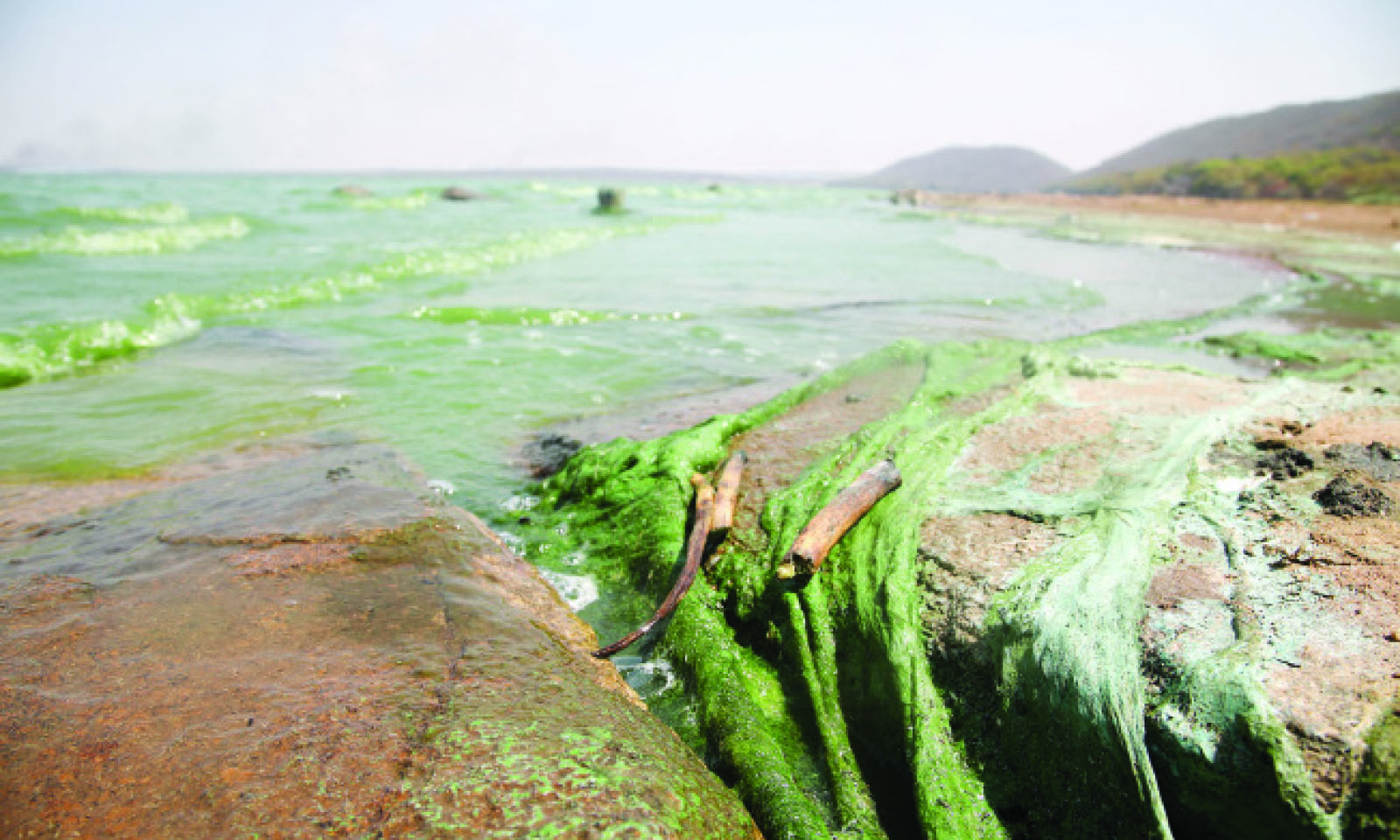
Trust Freddy
Check Point Desk
AT LEAST 70 percent of raw sewage entering the capital’s treatment plants is discharged into the environment, the Harare City Council has said, in a rare admission to a failure that could have serious environmental and health consequences.
The disclosure is contained in the city’s draft master plan (2025-2045), which warns that Harare’s treatment capacity is now below 40 percent.
Harare City Council’s failure is blamed on aged infrastructure and sewer systems overwhelmed by a disproportionately high population in the capital.
The Environmental Management Agency (EMA) estimates that about 54 megalitres of raw sewage flow into Lake Chivero — the capital’s main water source — each day.
The over 700-page draft master plan, adopted by the council in July and currently on public exhibition until October 2025, contains aerial photos, maps, reports and data detailing the severity of the problem.
“Seventy percent of raw sewage received in treatment plants in Harare spills into the environment as there is less than 40 percent available treatment capacity,” the report reads.
“The inadequate capacity is due to old infrastructure.
“Sewerage systems are overwhelmed by the densification of properties and numerous households illegally residing in single-dwelling units. The system needs upgrading.”
Raw sewage from burst pipes and blockages in high-density suburbs, the report adds, often ends up in nearby rivers and streams before being channelled into Lake Chivero.
“The water in Harare is heavily polluted.
“The main pollutants are emanating from raw sewage, effluent from industries and chemicals associated with urban agriculture,” it says.
Contaminated drinking water
Although the City of Harare insists the water remains safe to drink, the report concedes that treated water often becomes contaminated in transit due to old pipes.
“The water in distribution mains is dirty due to the old pipes that carry algae and dirt from the pollutants that flow through the pipes. One has to allow the water to settle in containers or buckets before it is used,” it says.
The document also raises concern about chemicals from industries polluting ecosystems and accelerating the accumulation of nutrients in water bodies.
To address this issue, it recommends investment in new water sources, including the incremental development of the Kunzvi or Musami water supply schemes, as well as studies on the viability of the Muda and Mazowe dams.
Despite the crisis, enforcement has had little effect.
Between 2021 and 2025, EMA issued seven tickets and seven environmental protection orders to the City of Harare for wastewater mismanagement, but raw sewage still flows untreated into Lake Chivero.
Speaking at a recent environmental, social and governance (ESG) conference in Harare, EMA’s director of environmental management services Mr Steady Kangata confirmed the scale of the problem.
“On a daily basis, about 54 megalitres of untreated or raw sewage are finding their way into our water bodies. And finally, it goes to Lake Chivero,” he said.
Mr Kangata explained that some treatment plants are barely functional.
“The treatment plants in Harare are at about 75 percent capacity. Some are getting the wastewater, but some are completely dry because the plants that are supposed to channel sewer into treatment facilities are broken, spewing everything into the environment,” he said.
He further blamed the invasion of wetlands for worsening the crisis.
“To make the scenario worse, we have wetlands which have spongy-like characteristics, which naturally are supposed to filter dirty water. We have changed them into concrete jungles,” he said, emphasising that wastewater management requires an all-stakeholder approach.
“The issue pertaining to pollution in Lake Chivero is a major cause for concern. Lake Chivero is downstream of Harare Metropolitan province, which makes it very tricky.
“We are upstream, and that’s where we extract our water, cleanse it and pump it upwards. People always blame EMA, but the current challenges require collective responsibility,” he said.
Residents say service delivery has already been compromised.
Harare Residents Trust executive director Mr Precious Shumba expressed frustration over the water crisis in Harare.
“The water has impurities when it is available. When it is left in containers, the water turns greenish and brownish, which reduces confidence among residents.
“ Observations by many residents are that the city water dries their skin, probably due to the treatment chemicals being used,” he said.
Mr Shumba also said residents were seriously affected during a two-week sit-in by City of Harare water and sewerage workers this month, September 2025.
The protest followed the deaths of two colleagues at the Firle Sewerage Treatment Works — Mr Peter Mupinga and Mr Handiya Mangombe — who lacked gas detectors and protective clothing.
“During that period, no council workers responded to numerous reports submitted to district offices. Residents bore the brunt of the strike,” Mr Shumba said.
He called for the appointment of substantive directors to lead key departments, including those of finance, human capital, water and legal affairs, as well as the chamber secretary position, arguing that leaving managers in acting roles was paralysing operations.




When are we going to stop talking about these problems and start taking action? Why wasn’t the council kicked out of office 20 years ago? Chokwadi uko ndiko kunonzi kurumwa nochokuchera. Vagari vemuHarare madununu chaiwo.