admin
admin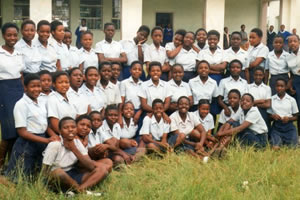
According to the pupils, the school authorities’ insensitivity to their plight prompted them to seek the intervention of the Education Ministry.
They said acute water shortage at the school posed a danger to health.
Gutu District education officer Mr Sylvester Tererai confirmed the incident and promised to work with the school authorities to address the challenges.
“The students were at my office at around 6am today (yesterday) and they had lots of complaints ranging from water shortages to poor food,” said Mr Tererai.
“We agreed that they should go back to school so that we look into their problems and the school bus made several trips to ferry them back and we are trying to look into their problems especially to do with water so that we decide on the course of action to take.’’
He said his office will soon dispatch a team to the school on a fact-finding mission.
Mr Tererai said normal lessons were expected to resume today.
School headmaster Mr Acquanos Mazhunga admitted the school was facing problems and said they were rectifying them.
“Yes, there are problems here and they are especially to do with water and we are trying to solve them, which is what we are trying to do right now,” said Mr Mazhunga.
“The water problem is there . . . it’s true and we are trying to do something to solve the problem that is a genuine complaint, but on the issue of food the students are not telling the truth. The food is generally good.”
The headmaster dismissed reports that pupils were drinking dirty water.
Before the four-hour protest march, the pupils had boycotted classes the previous day.
They are not happy with the quality of services at the school despite each pupil paying around US$400 per term.
When The Herald visited the school yesterday, pupils were milling around aimlessly.
“I was part of the group that marched to the growth point. We started the march at 2am and arrived just before 6am,” said a Form One pupil who refused to be named.
“We walked to the district education offices singing and sometimes we would run. The water that we drink comes from Chimwamombe Dam and gets straight into the taps without purification. That is the water we use for laundry and sometimes drink.’’
A Form Four pupil said: “Imagine that we sometimes go for over seven days without water. As I speak right now, we last got water last Sunday.
“We end up using dirty water for drinking, laundry and bathing and of late quite a number of pupils have been suffering from diarrhoea.’’
A Form Six pupil said they use toilets without water at night and only flush the following morning using buckets.
“The food is bad and can you imagine that we ate meat (beef) only three times since we opened schools in May and all along we have been eating cabbages and beans, which is poorly prepared yet we would have paid US$400 school fees,” she said.
Roman Catholic Masvingo Diocese education secretary Father Samson Mutsvanga could not be reached for comment yesterday as he was said to be out of office.


 Online Reporter