Chronicle Editor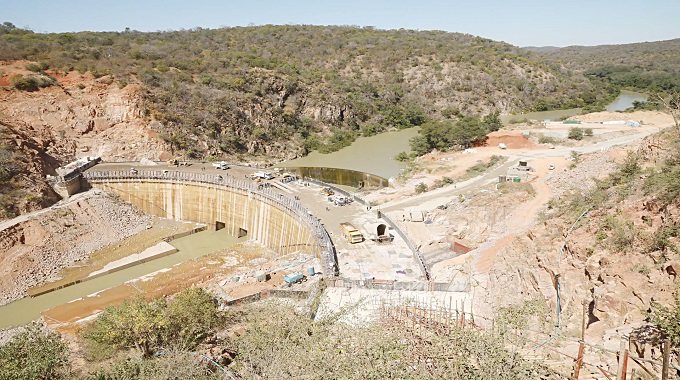
Nqobile Tshili, [email protected]
COMMUNITIES in Binga District which will be relocated as a result of the construction of Lake Gwayi- Shangani will remain under the jurisdiction of their traditional leaders and will also benefit from the project’s downstream industries.
According to Government’s relocation plan, 726 households in Lubimbi under Chief Kavula in Binga, Matabeleland North will be relocated to Kanono in Lupane under Chief Mabhikwa.
Before the communities are relocated, Government intends to build them new homes and will allocate them land for both crop farming and grazing.
Government is engaging communities that will be displaced by the massive dam project in Matabeleland North province.
Consultations started in Lupane on Monday before moving to Hwange and yesterday the taksforce met communitiies in Binga.
The community leaders yesterday urged Government to address cultural issues likely to be affected by relocations.
One of the community leaders Mr Pedious Midzi Ndlovu said it was critical to consider the cultural issues before relocations.
“People have their cultural rites that they follow hence it is important to consult to avoid violating people’s traditions. People have graves of their mothers, fathers and grandparents and way has to be found to deal with this issue,” he said.

Mr Ndlovu said the issue of relocations was emotive in Binga as communities were also displaced during the construction of Kariba Dam.
He said some of the community members are even concerned that they will lose their relatives just like what happened during the construction of Lake Kariba.
“Since a new project is being undertaken, it is important that the country learns from the past mistakes. We should learn from the past mistakes and that is the reason why we have these meetings so that they understand what the community requires,” said Mr Ndlovu.
“While the construction of Lake Kariba divided us with our counterparts in Zambia, we still conduct our cultural rites without interruptions.”
Lake Gwayi Shangani consultations project team leader Engineer Charles Makhula said Government will respect the cultural rites of communities during the relocations.
“While critical issues to do with governance can be dealt with by the traditional leadership, the cultural aspects will be handled by the local Chief,” he said.
Eng Makhula said while the project will affect communities in Binga, Lupane and Hwange districts, it will not change their boundaries.
“We were also told that the community in Kanono, Lupane and Lubimbi share a lot of commonalities so we don’t expect many challenges.
“We are also pleased to learn that the Binga Rural District Council chief executive officer and the district development coordinator are saying there is alternative land that has been identified,” said Eng Makhula.
He said acting Chief Mabhikwa said he could accommodate more people in Dongamuzi and what is needed is to provide water in the area.
Eng Makhula said traditional leaders have also requested a special meeting to discuss details of the relocations.
Other participants during the consultation meeting in Binga said Kanono area was previously occupied by the Tonga people hence they will be returning to their ancestral land.
“The name Kanono is a Tonga name, which means “something that tastes nice”.
There was also a debate over how Government will deal with the polygamous families in Binga during the relocation period.
Government has so far proposed to build modern four-roomed houses for each of the affected families and a kitchen under the “build back better model” in line with President Mnangagwa’s vision of improving rural livelihoods.
Presenting her report, Matabeleland North Provincial lands officer, Ms Rhoda Graham said individuals are not be given money but Government will construct new homes for those displaced by the project.
“We have done all the evaluations for the affected. What I can assure you is that no one is going to be worse off. The intention is to ensure that we build better structures for all those affected by the project,” she said.
“With regards to polygamous marriages, we are going to build the main structure and thereafter the affected families should be able to build additional houses.” – @nqotshili



 Online Reporter