Chronicle Editor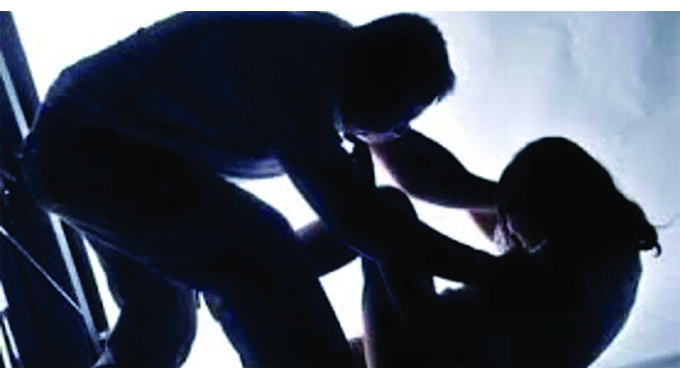
Thandeka Moyo-Ndlovu,[email protected]
ZIMBABWE is facing a serious problem of sexual abuse, with more than 8 500 cases reported since the start of the year. The victims include children, women and people living with disabilities, who suffer physical, emotional, and psychological trauma as a result of the heinous acts.
The latest crime statistics from the Zimbabwe National Statistical Agency (ZimStat) show that sexual offences accounted for 2 737 of the 182 427 crimes recorded in the third quarter of 2023. This is a slight decrease from the previous quarter, when 2 662 cases were reported, but still higher than the first quarter, when 3 151 cases were recorded.
“The Zimbabwean community has of late experienced more incidences of crime that include theft, robbery, sexual offences, drug-related crimes and murder. Such vices leave society entangled with emotional, psychological and physical damage. In addition, acts of crime may result in tensions within families, financial losses, and expenditures on private deterrence, mental disorders and loss of life. At the Government level, expenditures associated with law enforcement and criminal justice are incurred at the expense of social service delivery,” said ZimStat acting director-general Mationesa Phiri.
“To this end, the production of crime statistics informs policy development and planning in the criminal justice system. Further, crime statistics expose crime trends in communities thereby enabling law enforcement arms to develop strategic interventions to curtail growth in crime rates.”
According to the statistics, most of the sexual offences occurred in Harare, the capital city, which recorded 552 cases, followed by Mashonaland West with 386 cases and Mashonaland East with 326 cases. The least affected provinces were Matabeleland North and South, which recorded 146 and 138 cases respectively.
The majority of the offenders were male, accounting for 88 percent of the 125 433 persons charged by the police for all offences in the third quarter.
A disturbing fact revealed by the Parliament of Zimbabwe’s research department is that some of the perpetrators of sexual abuse are teachers, who prey on their pupils in various ways, such as raping, fondling, kissing, or showing them pornographic material.
Sexual violence has devastating consequences for the victims, especially children, who may suffer from lifelong mental disorders, HIV infection, and unwanted pregnancies. Sexual violence is also more prevalent in females than males, exposing them to greater risks and vulnerabilities.
In response to the alarming situation, civil society organisations have been calling for the Government to impose mandatory minimum sentences for rape and sexual violence, as a way of deterring potential offenders and encouraging survivors to report the violations.
Musasa, a women’s organisation, recently petitioned the Government to introduce a minimum mandatory sentence of 60 years for cases involving minors aged 12 and below and those living with disability, and 40 years for all other sexual violence cases.


 Online Reporter