admin
admin
Simon Bere
The City of Harare recently pronounced a vision to be a world class city by 2025. This is a great step forward for Zimbabwe.
The article by Sydney Kawadza (Herald, February 13 2014) questioning whether Harare will make vision 2025 a reality was spot on and raised pertinent issues on the subject, while the experts he asked about the issue provided valuable inputs on the subject.
If we choose to go by world standards, the most important measure of any world class city is service delivery and the level of provision of goods and services to the citizens.
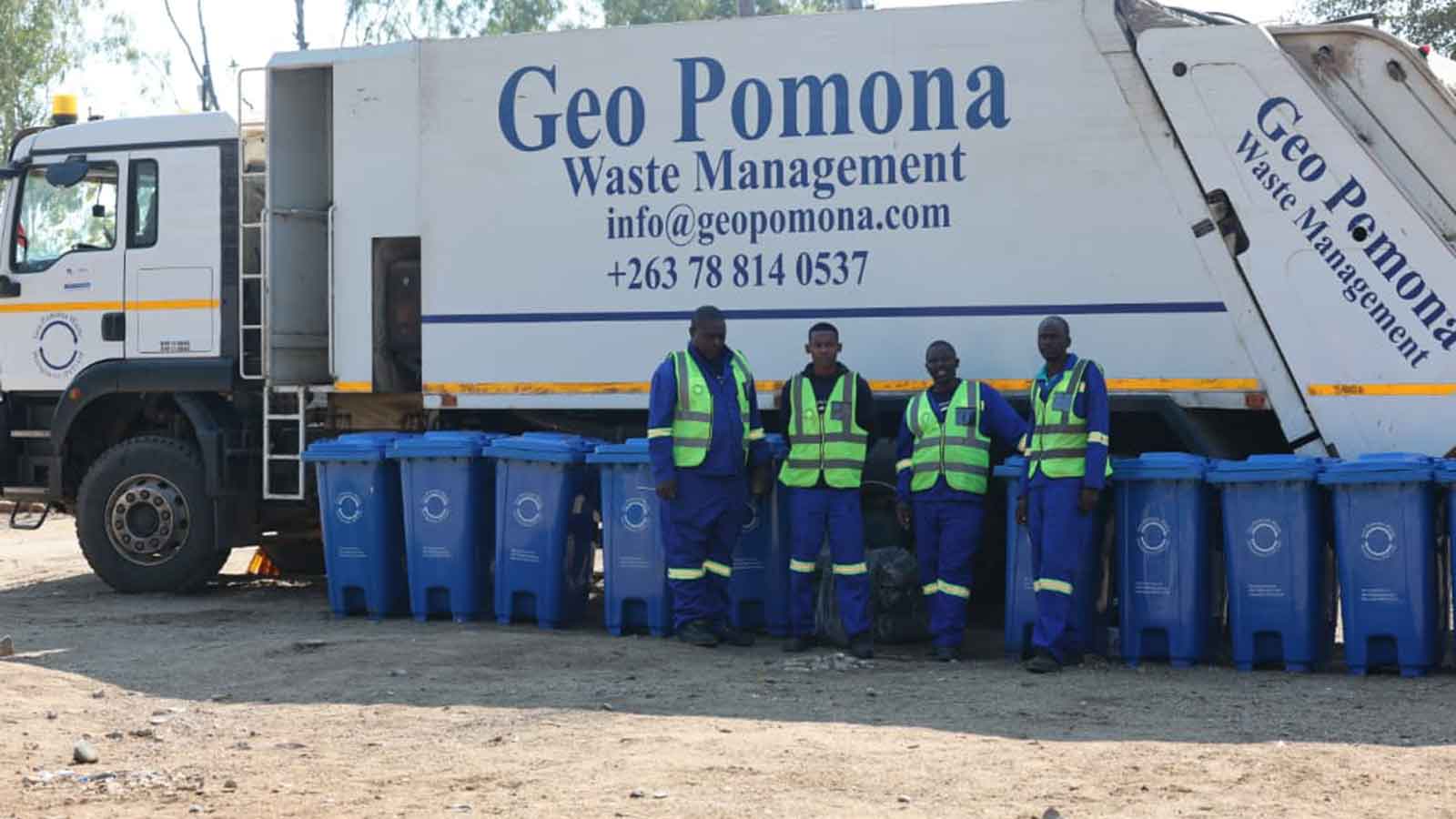
The most important areas of service delivery that defines this world class status are effectiveness and efficiency in the following: water and transport provision, waste management, energy provision and leadership/management.
It is clear that Harare, in terms of water provision, is way off the mark in terms of quantity, quality, utilisation and accessibility.
In this case, it is a bit off the mark to emphasise construction of buildings as key projects for achieving world class status.
The following are critical imperatives for the city if it is to ever achieve the world class status.
1. The need for corruption-proof, vision-conscious leadership and management
2. The need for an organisational structure that is capable of transitioning the city from the current status to world class status
3. The need for political will that becomes institutionalised and is maintained despite changes of personalities and leaders at Town House.
4. Establishing, building and maintaining the strategic and technical capacity required for creating the transition and the strategic impetus towards the world class status. Many, if not all blue prints, fail for one reason; lack of strategic capacity to translate intentions into results.
5. Determining and building up the science and engineering capacity required to transition from the current status and to build the city into the world class status. Engineering and science are the foundations and core pillars of all world class cities.
6. Embracing a cooperative approach to urban development and management.
7. Adoption of a city-wide integrated planning approach. There is no success in achieving world class city status through a unitarian and totalitarian urban planning and management approach by Town House. It is clear that Town House cannot plan the city by itself and expect to achieve world class status, hence the need for a city-wide integrated planning framework that involves all key institutions such as universities, engineers, scientists, business and economic institutions, financial institutions and, more importantly, the residents. This concept of integrated city planning is still extremely weak in the city, a major hurdle to achieving world class city status.
8. The development of detailed quantitative models of the world class city, the city envisions, including the bills of quantities that are required in terms for resources, labour, expertise and material.
Human capital and organisation are critical components for success. Strategic plans can be exciting to talk about, but as long as there is a mismatch between the strategic plans and human capacity to turn those plans into results, they are as good as wild dreams. This is a key area the city must consider seriously.
Second, Town House must fully embrace the fact that they are not a stand alone entity divorced from the rest of the city. Town House must recognise that they are part of a bigger entity which is the city.
They must open space for all players in the city to participate in urban development and management.
The truth of the matter is that the city struggles with so many challenges not because there are no solutions, but because they plan by themselves and tap very little into the total capacity of the city.
If the city truly achieves the world class status by 2025, it will be a great achievement for the country and it will bring joy to many residents who are living under serious conditions due to the current state of our city. The hope in this one dream is a major departure from all the other great visions that have failed to see the light of day.
Simon Bere is an expert in town urban environmental planning and environmental engineering.



 Online Reporter