admin
admin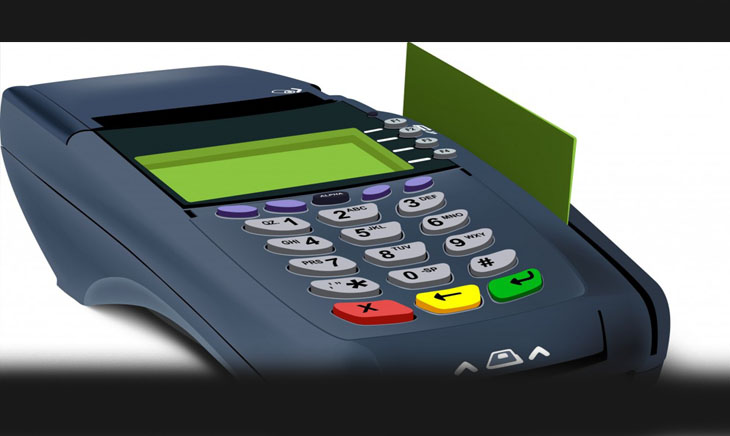
Livingstone Marufu
THE volume of transactions carried through Point of Sale (POS) terminals rose by more than US$1,4 billion since the beginning of the year to US$5,5 billion recorded in July. In January, when cash shortages began to bite, only US$4,1 billion was moved through the platform Monetary authorities are increasingly pushing for the promotion of cashless payment systems that include online payments, bank transfers and electronic banking systems.
POS and plastic money transactions now account for 80 percent of daily retail shop sales. Last week, Reserve Bank of Zimbabwe (RBZ) Governor Dr John Mangudya said there is a disproportionately huge demand for physical US dollars on the market, which a switch to alternative payment methods could easily address.
“The uptake of these electronic payment systems has been quite satisfactory, with total electronic payments having increased from US$4,1 billion in January 2016 to US$5,5 billion in July 2016. “The increase in the usage of plastic money is testimony of the efforts by banks to promote electronic payments to make it easier and cheaper for the banking public to use cards.
“Zimbabwe has a cash culture. We are overusing physical US dollars, therefore, giving pressure to its physical presence in the market. The way forward is to use less cash and if necessary, people should transact using plastic money to avoid the burden. “Why would you need cash if you can use your bank card to purchase whichever goods you want, or when you can transfer money into someone’s account?” said Dr Mangudya.
Reducing costs of plastic transactions
In order to make both electronic transactions and plastic money more attractive, the central bank has since directed banks to slash bank charges. Since June, electronic funds transfers now attract charges of between US0,33c and US$2,10. Fees for real time gross settlement (RTGS) transactions have been capped at US$5.
Also, POS transactions of up to US$10 now attract a charge of US0,10c; while those above that threshold attracts a fee of US0,45c. POS own-bank customer has a maximum charge of US0, 20c; while POS issuer charges have been removed. Maximum fees for making withdrawals at automated teller machines are pegged at US$2,50; while merchant service commission attracts a fee which ranges from zero to a maximum of 1 percent for local transactions.
Monthly administration or service fees now range between zero to a maximum of US$5 for individuals. It is believed that reducing charges will naturally drive the market to use electronic banking services. Concerted efforts are being made by the RBZ, Zimswith, mobile banking service providers and financial institutions to ensure that the platform through which the transactions are made becomes stable and reliable. More than 20 000 POS terminals have been deployed across the country and there are plans to roll out more.


 Online Reporter