Online Reporter
Robin Muchetu, Senior Reporter
AT least one billion youths globally are at risk of hearing loss due to recreational noise from loud music primarily transmitted through earphones, as well as from loud church services and other sources of noise.
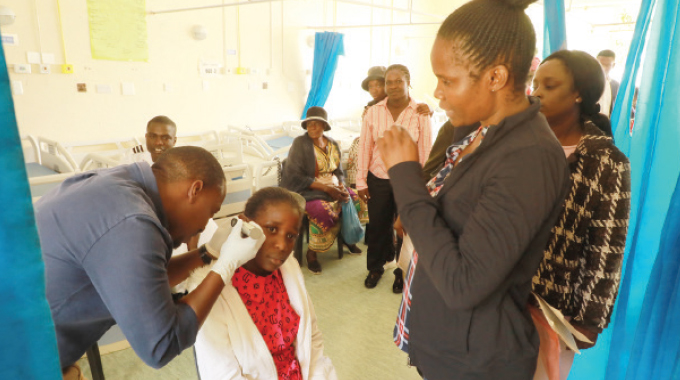
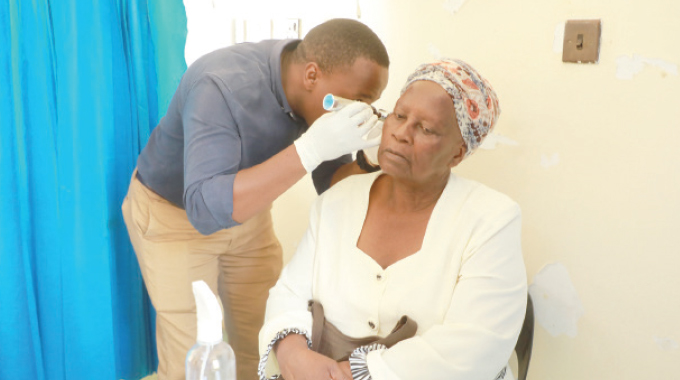
The alarming statistic was highlighted by Dr John Kutsukutsa, an Ear, Nose and Throat (ENT) specialist consultant at United Bulawayo Hospitals (UBH) during a recent outreach event for World Hearing Day.
“Hearing loss is a significant problem. According to WHO statistics, there are 500 million people worldwide living with disabling hearing loss — so severe that it impacts their quality of life. One of the most astounding statistics is that nearly one billion young people are at risk of hearing loss due to noise exposure during recreational activities.
This is an area where efforts must be concentrated in terms of awareness and support for those already affected,” Dr Kutsukutsa stated.
He explained that recreational noise includes sounds that should bring joy but ultimately result in distress. Sources such as loud music, earphones, discos, and even excessively loud church services can pose substantial risks to hearing.
“Worship practices vary, and while many churches bring joy, some are so loud that they become a health hazard. This is a particular risk for young people,” he noted.
Dr Kutsukutsa emphasised the importance of addressing hearing loss in children, who often cannot communicate their difficulties.
“Children are a critical group when it comes to hearing loss. They might not be able to articulate their problems. It’s essential for parents to act promptly if they notice signs of hearing issues in their child,” he advised.
“For example, if a baby does not respond to noises, if they fail to turn when the door opens, or if they remain unstartled by loud sounds, these could signal a problem. Additionally, a child who constantly touches or pulls at their ears, experiences discharge, cranks volumes up to maximum levels, or struggles in school may be facing hearing challenges rather than simply misbehaving.”
He pointed out that some children may not develop speech, reaching the two-year milestone without saying a word, indicating possible hearing loss instead of other developmental issues. “If a child cannot hear, they cannot develop speech. Parents need to be vigilant, as up to 60 percent of hearing loss in children is preventable if detected early; we can make a difference,” he said.
Dr Kutsukutsa mentioned that the hospital is receiving support from the Ministry of Health and Child Care and is seeking additional resources.
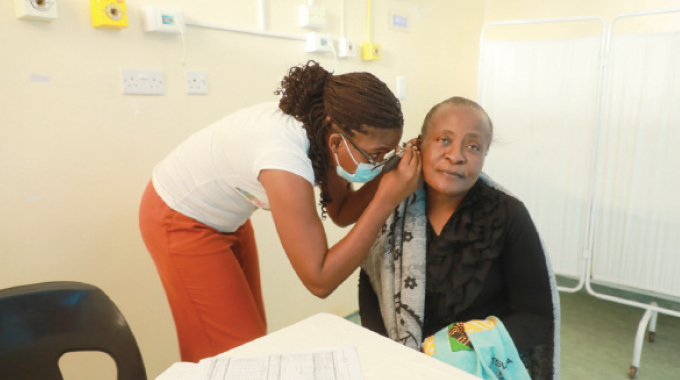
“We have introduced sign language training for our nurses and aim to promote its inclusion in mainstream education. People with hearing issues often face challenges when seeking health services, and communication barriers hinder effective support,” he said.
Dr Maphios Siamuchembu, the Provincial Medical Director for Bulawayo Metropolitan Province, spoke on behalf of the Permanent Secretary in the Ministry of Health and Child Care, Dr Aspect Maunganidze, during the event.
He said the theme for this year’s World Hearing Day: “Changing Mindsets: Empower Yourself to Make Ear and Hearing Care a Reality for All,” which emphasises the need for access to rehabilitation and affordable hearing devices.
“This is a critical component of healthcare that patients deserve to receive. People of all ages are encouraged to empower themselves and others in prioritising ear and hearing health. The campaign aims to inspire individuals to protect their hearing from loud sounds, check their hearing regularly, use hearing devices when necessary, and support those living with hearing loss,” Dr Siamuchembu stated.
He reaffirmed the Government’s commitment to providing quality ENT services through basic tests like temperature checks, blood pressure and blood sugar tests to identify health issues early.
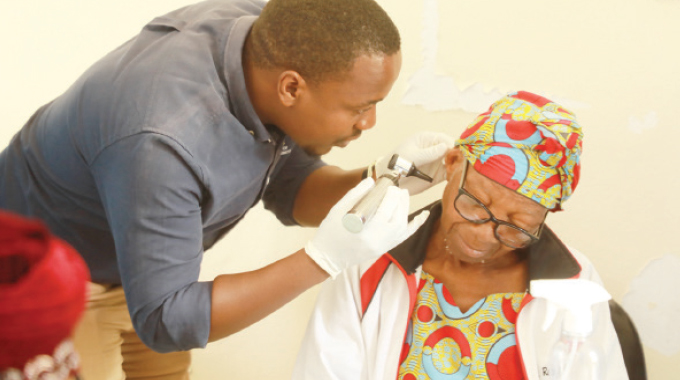
“At our outpatient department, we have a vibrant ENT clinic. We also provide emergency care through our casualty department for patients of all ages. World Hearing Day 2025 represents an opportunity for all of us to make a difference. As stakeholders, partners and advocates, we can collectively empower ourselves and others to ensure good hearing health throughout life,” he added.
Ms Blessing Chihove from Pelandaba West, who attended the World Hearing Day commemorations and participated in the free screening, expressed her desire to seek assistance for her hearing. She communicated through an interpreter.
“I came here because I was born deaf. I cannot hear, and I hope to get a hearing aid so I can better navigate daily life.
It would be immensely helpful because I want to start hearing again. As a businessperson who wants to drive, I find it challenging to hear cars honking when I’m on the road. At home, I cannot hear when someone knocks at the door, and with a baby, I cannot hear her cries. A hearing aid would significantly improve my ability to help as a mother,” she said. — @NyembeziMu