


 Sundaymail Editor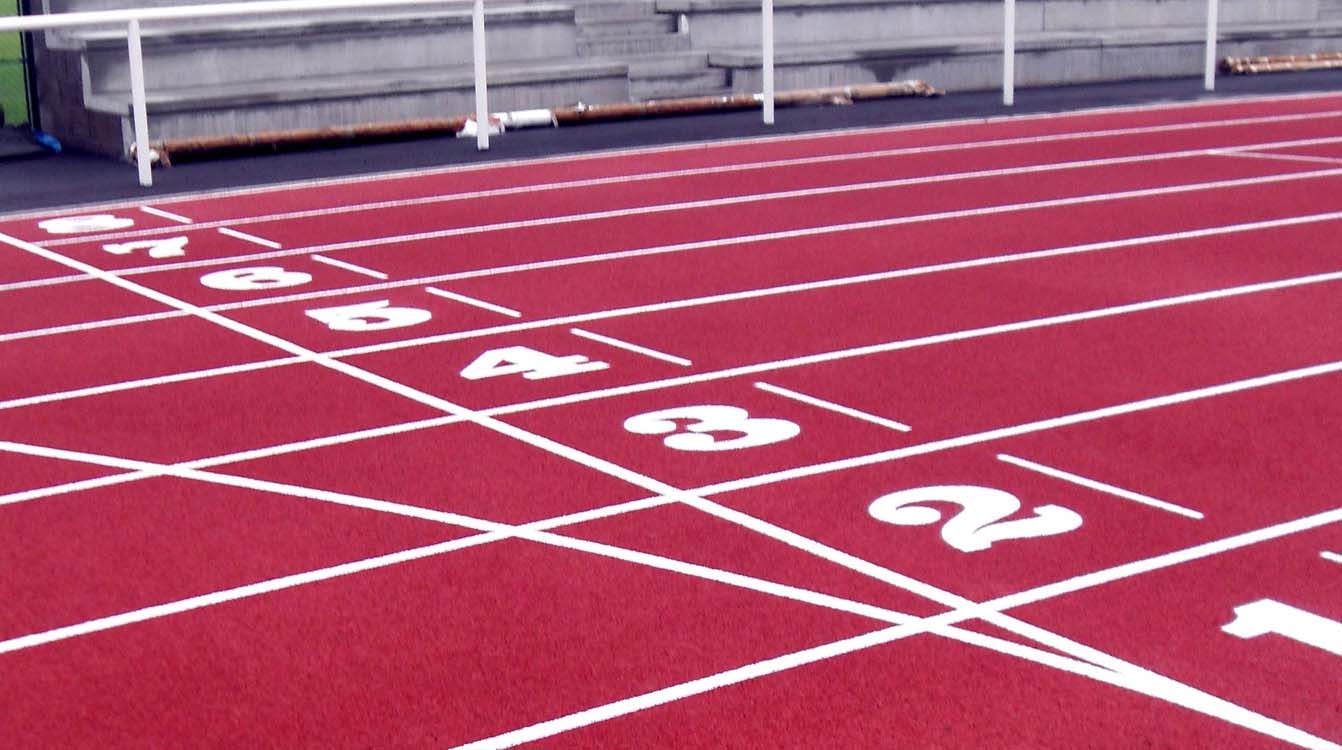
Arthur Choga
DURING the last couple of weeks, there have been several articles making reference to an event that was the highlight of the athletics calendar in the 1990s and early 2000s — the Chamber of Mines athletics meet.
The last edition of the Games was held at Zimasco’s Peak Mine in Shurugwi in 2007, and all the articles speak with nostalgia about the event.
Anyone who grew up on a mine will recall the Chamber of Mines athletics competitions, and the same goes for those who love and follow the sport.
I grew up far from any mine, but I would keenly follow the Chamber of Mines Games.
Rivalries were built and legends were born during these occasions.
In the late 1990s, they attracted as many as 5 000 athletes, with participants drawn from big and small mines.
Sporting heroes usually gave communities a national presence and identity that the minerals would never give them.
Participants would be drawn from places like Bindura’s Ashanti, Trojan, Madziwa, Jumbo, Hwange, Arcturus, the Zimasco family, Shabanie Mine, Gaths Mine, Blanket Mine, How Mine, Mimosa, Zimplats, Redwing Mine in Penhalonga, Dalny and Ziscosteel.
Some of the smaller operations brought small teams; in some instances, just one long-distance runner or a gifted high jumper.
That person was a hero and their success lifted spirits in their communities.
Any mine worth its salt has a football team, even up to today.
One only needs to look at the regional league tables in the Zimbabwe Football Association’s four regions to prove this.
Football is played with at least 11 players on the pitch.
Each team also has a bench full of substitutes, several coaches, assistants, a team manager, a medical team member and a dedicated member of the mine administration.
The club can play up to 19 away matches, travelling to each of them by bus (owned or hired), sometimes camping overnight.
The point here is that it is clearly not a question of resources that the Chamber of Mines Games are no longer being held.
Each mine could send a team to the Chamber of Mines Games for the cost of one Division One away game, or even less.
While the Games included other sporting disciplines, track and field events were the main ones.
The man named the greatest Zimbabwean athlete of the last century, Artwell Mandaza, came through the Chamber of Mines tournaments.
Running for Mhangura Mine (he was a cashier there), he took part in the 1970 Chamber of Mines Competition and won races, from 100m, 400m to the relays. He won all six events he entered.
The same year, he became the first black athlete to be named Sportsperson of the Year in the then Rhodesia.
Mandaza later became a coach at Trojan Mine, where one of his trainees was Mike Fokorani, who stands as the first Zimbabwean long-distance runner to get an Olympic Solidarity scholarship.
Athletes like Cynthia Phiri (better known as “Dalny Express” because she ran for Dalny Mine), Phillip Mukomana (sprints), Jeff Masvanhise (sprints), Gabriel Chikomo (sprints) and Juma Phiri (high jump) added to the legend of the Chamber of Mines Games by putting up five-star performances.
There are staff members at the mines who have a desire to sprint or run long-distance races. There are also underground staffers with a passion for hurdles, as well as those who can throw the javelin an incredible distance.
Here is a challenge for the Chamber of Mines stakeholders.
A local company, Baldmin Holdings, owned by a former athlete Costar Takawira, has said they want to bring the Games back.
This is an opportunity to showcase talented athletes currently hidden in our mines.
As a corporate social investment, athletics is a win.
The Olympic Games and the African Games are proof of the branding power of athletics.
Athletics programmes would also be a huge wellness initiative for mine staff.
The National Athletics Association of Zimbabwe, as the oversight body for athletics, should convene a stakeholders’ meeting to get views of former athletes, current athletes, the Chamber of Mines and past and potential partners.
The goal here will be to find ways to get these Games back on the sporting calendar.
The Ministry of Youth, Sport, Arts and Recreation has a role to play to ensure all great events that can possibly bring value to the country’s sports should be strengthened, and the Chamber of Mines Games is one such event.
Now, with community radio stations, new private television channels and the growth of social media and streaming services, this event could turn into the national event it should have always been.
The potential for broadcast coverage, advertising and increased audiences makes the prospect of such an event inviting and worthwhile.
Let the Games begin!
■ Feedback: [email protected]


 Bongani Ndlovu
 Online Reporter