

 Online Reporter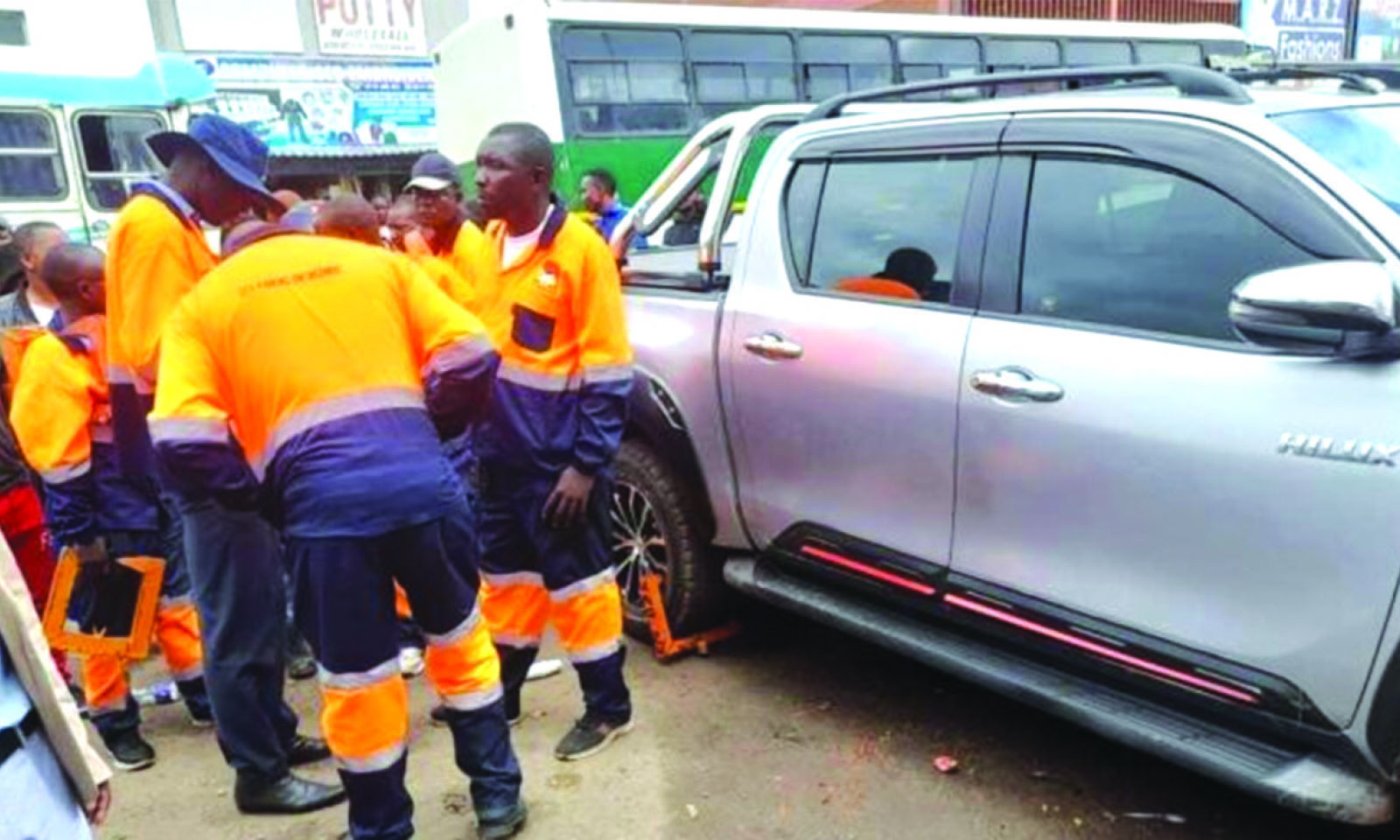
Nick Mangwana
Government Up Close
EFFECTIVE parking policies are widely recognised as a crucial tool for addressing not only parking challenges but also broader transportation issues, such as traffic congestion and modal split.
As cities like Harare consider implementing 24-hour parking fees, it’s essential to carefully estimate and predict the potential effects of such policies to ensure they achieve their intended goals without unintended consequences.
Therefore, the recent proposal to enforce 24-hour payment of parking fees in Harare warrants scrutiny, particularly regarding its potential economic implications. This policy analysis evaluates the proposal’s merits, identifies potential drawbacks and suggests alternative approaches.
Before we get into that, let us look at the reasons why local authorities charge for parking. Local authorities charge for parking as a means of generating revenue to fund various public services and infrastructure projects. This revenue stream is essential for supporting the overall functioning of the city, including transportation systems, public facilities and community services. By charging for parking, local authorities can collect fees that contribute to the city’s coffers, which can then be allocated to different areas of need.
Another key reason for charging for parking is to manage traffic flow and demand for parking spaces. By implementing parking fees, local authorities can discourage long-term parking and encourage turnover of parking spaces, thereby reducing congestion and promoting more efficient use of parking infrastructure.
This approach can also influence people’s transportation choices, encouraging them to consider alternative modes of transport, such as public transport, walking or cycling, which can help reduce traffic congestion and promote more sustainable transportation options.
Furthermore, charging for parking allows local authorities to fund the construction, maintenance and management of parking infrastructure, such as parking garages, lots and meters.
This ensures that parking facilities are well-maintained and safe for users while also providing a convenient and accessible parking experience.
By charging for parking, local authorities can strike a balance between providing essential services and infrastructure while also promoting responsible and sustainable transportation practices.
Harare City Council’s proposal to implement 24-hour parking charges cannot be justified on the grounds of managing traffic congestion, as there is negligible traffic at night. The city’s streets are relatively empty during late hours, and the imposition of parking fees during this time would serve no purpose in terms of traffic management. Instead, it appears to be a revenue-generating measure that would further burden residents and visitors.
The public’s scepticism towards the council’s motives is well-founded, given the perceived lack of accountability and transparency in the use of public funds.
With no visible improvements in parking infrastructure, such as secure parking places and parkades, residents are right to question the council’s justification for demanding more money. The council’s failure to maintain and develop parking infrastructure, including properly marking parking bays, raises concerns about their ability to manage public resources effectively.
Parking meters have become a distant memory in Harare, replaced by aloof and menacing parking attendants, who seem to have been handpicked for their ability to convey coldness and detachment. Their lack of empathy is palpable, making even the simplest transaction a daunting task. It’s as if they’ve been recruited based on their ability to intimidate and alienate, rather than provide a helpful service.
In light of the council’s track record, it is unreasonable to expect residents to accept the imposition of 24-hour parking charges without clear evidence of how the funds will be utilised to improve parking infrastructure. The public’s trust has been eroded by the council’s apparent lack of empathy and accountability, and it is essential for the council to demonstrate a commitment to transparency and responsible financial management before seeking to impose additional financial burdens on residents.
The proposed policy may deter businesses, tourists and residents from utilising city services, ultimately undermining Harare’s economic competitiveness.
Key concerns include the impact on small businesses, tourism and administrative challenges. Excessive parking fees may disproportionately affect small enterprises, reducing their competitiveness and viability. High parking fees may discourage tourists, negatively impacting the city’s tourism industry and economic growth.
Enforcing 24-hour parking fees would require significant resources, potentially diverting funds from other essential city services.
Many businesses in Harare have adopted a strategy of making deliveries and replenishing their stocks at night due to the severe congestion that plagues the city’s roads during the day. This approach allows them to avoid the traffic jams that can significantly delay their operations, ensuring that their goods are delivered efficiently and on time.
By doing so, businesses can minimise the impact of congestion on their operations and maintain a reliable supply chain.
However, the fact that businesses are forced to operate in this manner highlights the challenges posed by Harare’s traffic congestion.
The city’s inability to manage its traffic effectively is hindering the ease of doing business, and the proposed 24-hour parking fees may exacerbate this issue.
By imposing additional costs and regulatory burdens on businesses, the city risks discouraging investment and stifling economic growth. Instead, the city should focus on improving its infrastructure and services to support businesses and facilitate economic activity.
Harare’s name may imply a city that never sleeps, but the reality is that the city’s night economy is virtually non-existent. Unlike vibrant cities that thrive around the clock, Harare’s streets are deserted after dark, with limited options for shopping, dining or entertainment. Even basic necessities like grocery shopping become impossible after 10 pm, forcing residents to plan their lives around the city’s restrictive hours. The lack of a thriving night economy not only limits the city’s economic potential but also affects the quality of life for its residents.
Instead of promoting and supporting initiatives that could foster a 24-hour economy, the City Fathers seem more focused on stifling what little economic activity remains. The proposal for 24-hour parking fees is a prime example of this approach, which could further deter businesses from operating at night. A well-developed night economy can contribute significantly to a city’s GDP, but Harare’s authorities appear to be moving in the opposite direction.
By neglecting to support and nurture the city’s limited night economy, the City Fathers are missing out on opportunities to stimulate economic growth and create a more dynamic and vibrant city.
Cities like Cape Town in South Africa and Tokyo in Japan are exemplary models of effective parking policies that support vibrant night-time economies. Cape Town, as a regional example, has implemented a well-designed parking system that caters to the needs of its bustling night life.
The city’s parking policies ensure that parking is available and accessible, supporting the many restaurants, bars and clubs that thrive in the evenings. By providing convenient and secure parking options, Cape Town’s authorities have helped to create a safe and welcoming environment for nighttime revellers.
Tokyo, on the other hand, is an international example of a city that has mastered the art of managing parking in a densely populated urban environment. The city’s parking policies are designed to support its thriving nightlife, with many parking facilities operating on a 24-hour basis.
Tokyo’s authorities have also implemented intelligent parking systems that use technology to optimise parking capacity and reduce congestion.
This approach has helped to support the city’s vibrant nighttime economy, which is characterised by bustling streets, neon lights and a wide range of entertainment options.
Both Cape Town and Tokyo demonstrate that effective parking policies can play a critical role in supporting a city’s nighttime economy. By providing convenient, secure and accessible parking options, cities can create an environment that encourages people to go out and enjoy themselves, thereby boosting local businesses and contributing to the overall vitality of the city. These cities serve as models for other urban centres, like Harare, that are looking to develop their own nighttime economies and improve their parking policies.
Instead of implementing a blanket 24-hour parking fee, the city could consider alternative approaches. Dynamic pricing, which involves adjusting parking fees according to demand, time of day or location, could optimise parking utilisation and revenue. Parking validation programs, offering discounted or free parking for customers of local businesses, could promote economic activity.
To promote economic growth and development, Harare’s authorities should conduct thorough impact assessments to evaluate the potential effects of the proposed policy on businesses, residents and the tourism industry. They should also explore alternative revenue streams, considering innovative financing options that don’t burden citizens or stifle economic activity. Furthermore, fostering a business-friendly environment by implementing policies that support entrepreneurship, innovation and investment could enhance Harare’s competitiveness.
In conclusion, the proposed 24-hour parking fee policy requires careful consideration of its potential economic implications. By adopting a more measured approach to parking management and exploring alternative revenue streams, Harare’s authorities can promote economic growth, support local businesses and enhance the city’s competitiveness.
A well-crafted policy framework can help Harare thrive as a business hub and tourist destination. We implore the Harare authorities to reconsider their tax policies, lest they squeeze the life out of the city’s economy by trying to draw blood from a stone.
The proposed 24-hour parking fees are a prime example of this approach, which could further burden residents and stifle economic activity. A more nuanced and balanced approach to taxation would help to foster a more favourable business environment and support the city’s growth and development.



