Online Reporter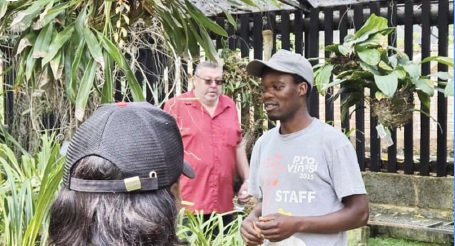
Emmanuel Kafe, recently in Penhalonga
On a quiet morning in Mutare’s Imbeza Valley, dew clings to orchid petals as birds dart through the cycads.
In the middle of the gardens, a man in overalls bends gently over a flower bed.
His hands, calloused yet tender, brush past azaleas as if greeting old friends.
For Peter Mugwanyo Masamvu, flowers are not just plants — they are companions, confidants and an inheritance he treasures.
“I speak with flowers,” he said, eyes lighting up as he admired a rare orchid in bloom.
“They may not talk back like people, but they listen. And if you care for them, they respond.”
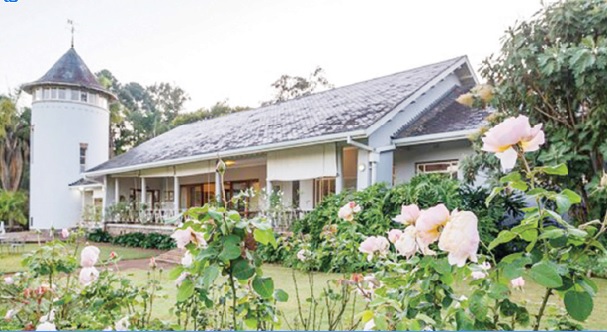
At 45, Masamvu has spent nearly half his life tending the 20-acre botanical gardens of La Rochelle Country House and Spa, one of Zimbabwe’s oldest hotels.
For him, the estate is more than a workplace. It is a sanctuary where his father once walked, where flowers bloom across generations and where a man with no formal training has mastered nature’s language.
A legacy rooted in family
Masamvu’s story at La Rochelle began in 2005, but the roots stretch further back.
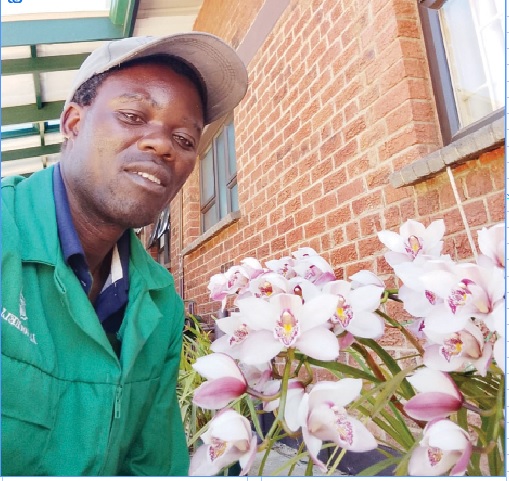
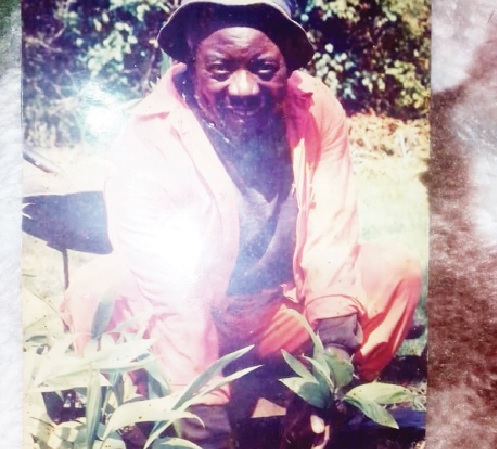
His father, a florist, joined the hotel in the 80s. When he passed away, management asked Peter to carry on his work. “I didn’t apply for the job,” he recalled with a soft smile.
“The hotel said, ‘Your father’s work should live on through you.’ I agreed because I felt the flowers calling me. It was as if they knew I was meant to take over.” Born in 1980 in Imbeza, Penhalonga, Masamvu grew up surrounded by nature. His father was his teacher, patiently showing him how to handle orchids, how to respect soil and water.
“I learnt by watching him,” he said. “To this day, when I work, I feel like he is beside me.”
The florist’s daily ritual
Each day begins before sunrise with a barefoot walk through the gardens. “I like to feel the earth under me,” Masamvu said. “It reminds me I am part of nature, not separate from it.”
His tasks — weeding, pruning, watering and keeping invasive species at bay — never feel like labour. “I am always stress-free here,” he said inside the orchid house. “People in towns get headaches from noise and stress. I don’t. My medicine is in these plants. Every flower that blooms tells me I’m doing something right.”
Despite lacking formal training, Masamvu is now a source of knowledge for younger colleagues and visiting horticulturists.
“They are surprised when I explain details about humidity for orchids or how cycads prefer shaded corners. I always tell them: I didn’t learn this from books. I learned it from listening. Walking with him felt like a meditation. He paused to point out a bird on a palm, shows a cycad unfurling new leaves, and touches a bloom as if reassuring it.
“This place is alive,” he whispered. “Every flower, every tree, every bird — they are all speaking. Most people don’t hear them. But I do.” For Masamvu, the role he inherited has become more than a job. It is a calling, a livelihood and a way of life.
“Flowers never judge,” he said. “They don’t ask who you are or where you come from. They just bloom. If you care for them, they reward you with beauty. I think people should live the same way.”
Flowers and family
Beyond the gardens, Masamvu’s greatest pride is his family. A father of five, he lives on the estate, but his children in the rural areas where they all attend school.
“Flowers are paying for their education,” he said. “That’s why I take this work seriously. Every bloom helps me raise my children.” On holidays, his children often join him to water the plants. “Even if they don’t become florists, I want them to respect the environment. My father passed the torch to me, and I want to pass it on to them.”
Travellers from across the world — Germany, Japan, South Africa and beyond — visit La Rochelle’s gardens. “Some visitors cry when they see certain orchids. “They say it reminds them of home or of someone they loved. Flowers carry memories. They connect people without words.” One story stands out: A Dutch tourist spent an hour in the orchid house and later told him she felt healed just by being there. “That touched me deeply,” Masamvu said. “It showed me that what I do here is not just for me, or the hotel, but for the world.”
Teaching a new generation
Masamvu now sees it as his duty to inspire young Zimbabweans. He mentors interns and hopes to start a program in Penhalonga where schoolchildren can learn about plants first hand. “The younger generation is losing touch with nature. “They are always on phones and computers. But if you don’t learn to care for the earth, you lose something inside yourself. Flowers teach patience, humility and respect.”
A garden of history
La Rochelle is no ordinary hotel. Spread across 108 hectares, its gardens were designed in the 1950s with the help of British horticulturist John Henry Mitchell. Built by Sir Stephen and Lady Virginia Courtauld as their retirement home, the estate was envisioned as a sanctuary where exotic and indigenous plants could thrive together. Today, orchids, cycads, azaleas, palms and rare trees draw scientists and tourists alike. “When visitors come here, they don’t just see flowers — they see living history, said Masamvu as he brushed through a row of orchids in the Peter Horrocks collection.
“Some of these orchids are older than me. It’s my duty to keep them alive for future generations.”



 Online Reporter