Rodgers Irimayi
Cultural Perspectives
ZIMBABWE’S battle against substance abuse requires more than punishment, it demands prevention, treatment, opportunity and a community willing to listen.
At a busy bus terminus, outside a school gate or near a neighbourhood tuckshop, the warning signs can be easy to miss.
A teenager who once attended school regularly begins disappearing from class. A promising learner’s grades suddenly collapse. A young person who was once lively and sociable becomes withdrawn, restless or aggressive.
For parents and guardians, such changes can be frightening. For teachers, they can become a difficult classroom challenge. For communities, they can quickly become the subject of rumours and judgement.
But behind some of these changes lies a problem threatening to rob young people of their health, education, relationships and dreams, drug and substance abuse.
A problem with many causes
There is rarely a single explanation for why a young person begins using drugs or other harmful substances.
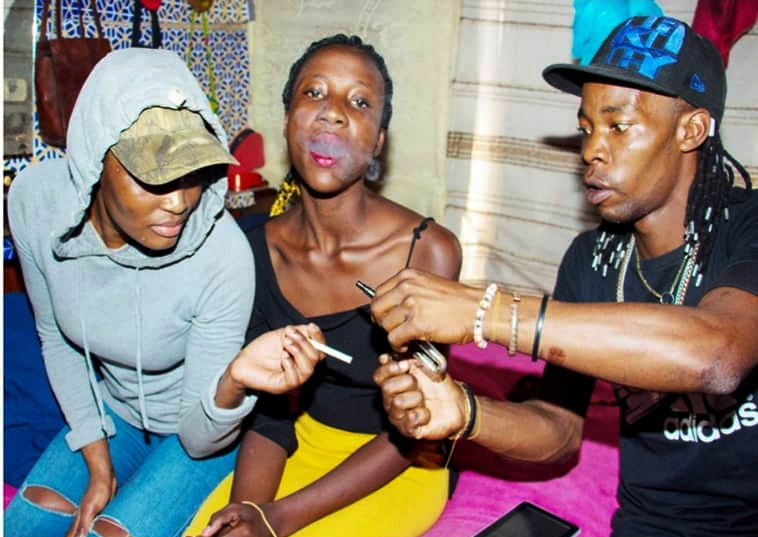
Curiosity and peer pressure may provide the first introduction. Stress, unemployment, trauma, family difficulties and lack of opportunities can also make substance use appear to offer temporary relief.
For some young people, substances are introduced by friends. Others encounter them in their homes or neighbourhoods. Where emotional difficulties are rarely discussed openly, intoxication can become an escape from problems that young people do not know how to confront.
What begins as experimentation can, however, develop into harmful use and dependency.
The consequences can spread throughout the family and wider community.
Parents may struggle to recognise the child they once knew. Teachers may have to deal with increasing absenteeism, poor concentration and declining academic performance. Employers can encounter young workers whose attendance and productivity deteriorate.
Friends, meanwhile, may find themselves caught between loyalty to a struggling peer and concern about the consequences of continued substance use.
In some circumstances, substance use can also be associated with unsafe behaviour, violence and contact with the justice system.
Beyond punishment
The language used to describe the problem matters. Calling young people “lost”, “bad” or “irresponsible” may attract attention, but such labels can deepen stigma and make it more difficult for affected young people to seek assistance.
Substance dependence should be approached as both a health and social challenge. Accountability remains necessary where individuals harm others or violate the law, but punishment alone cannot treat dependency or address the circumstances that contributed to substance use.
The response must therefore combine prevention, treatment, rehabilitation and appropriate accountability.
Schools and families have a critical role
Families need reliable information about the warning signs of harmful substance use and clear pathways to confidential assistance.
Schools are equally important. Beyond academic instruction, they can provide counselling and practical programmes that equip learners to manage stress, resist peer pressure and seek help without fear of humiliation.
Prevention messages must also be credible
Young people are unlikely to respond positively to exaggerated warnings that do not reflect their experiences. They need accurate information about the risks associated with alcohol, tobacco, cannabis, prescription medicines and other substances.
But information alone is not enough. Young people also need alternatives, sport, music, arts, mentorship, vocational training, safe recreational spaces and realistic opportunities to earn a living.
Culture can change the conversation
Zimbabwe’s creative sector can also contribute to prevention. Music, theatre, film, radio, television and social media can challenge the perception that substance abuse is fashionable or inevitable. Creative platforms can also encourage conversations about anxiety, grief, peer pressure and other challenges affecting young people.
A young person who sees their struggles represented without ridicule may be more willing to speak about them and seek assistance.
A responsibility shared by society
The responsibility cannot rest on parents alone. Government has a role in supporting prevention, treatment and rehabilitation services, regulating harmful substances and ensuring that services reach communities beyond major urban centres.
Community leaders, churches, health workers, schools, youth organisations and civil society can help create trusted support networks.
Law enforcement also has an important role, particularly in addressing trafficking and protecting communities. However, policing should not become the only institutional response when substance abuse becomes visible.
The Zimbabwean Government has established a Multi-Sectoral Drug and Substance Abuse Plan (2024–2030) which is headed by a national Tuskforce structured around seven strategic pillars. The structure cascades down to province and district levels.
The seven drug and substance abuse pillars
Supply Reduction: Focuses on reducing the availability of illicit drugs and substances through law enforcement, disruption of production and trafficking, investigations, seizures and prosecution of offenders.
Demand Reduction: Focuses on preventing and delaying drug and substance use through public education, awareness programmes, community interventions and measures targeting children, adolescents, young people and other vulnerable groups.
Harm Reduction: Treatment and Rehabilitation: Seeks to reduce the harmful effects of drug and substance use and expand access to evidence-based treatment, rehabilitation and health services.
Community Reintegration: Supports people recovering from drug and substance abuse to return to their families, communities and productive social and economic life. It emphasises community support and engagement.
Policy Implementation and Legal Enforcement: Concentrates on strengthening and harmonising legislation, policies and institutional mechanisms for addressing drug and substance abuse and ensuring effective implementation and enforcement.
Media and Communication: Uses media and communication platforms to increase public awareness, promote behaviour change, counter misinformation and reduce stigma surrounding drug and substance abuse.
Resource Mobilisation and Economic Strengthening: Focuses on mobilising financial and other resources for drug-abuse interventions while supporting economic empowerment and strengthening the livelihoods of affected individuals and communities.
Young people themselves must also have a voice.
Youth representatives, peer educators and people with lived experience of recovery can help shape interventions that are accessible and relevant to the realities facing their generation.
Zimbabwe’s young people cannot be reduced to statistics or defined by their mistakes. Behind every young person struggling with substance abuse is a human being whose future may still be reclaimed through timely intervention, treatment, education and support.
The answer is therefore not simply another slogan about “saving the youth”.
It is the patient work of listening early, intervening compassionately, providing treatment, creating opportunities and building communities in which young people have reasons to choose hope over escape.
For every teenager who appears to be slipping away, there may still be a teacher, parent, counsellor, relative or friend capable of opening a door.
The question is whether that door leads to shame and exclusion or support, treatment, opportunity and a second chance.
Rodgers Irimayi writes in his personal capacity and can be contacted on +263778246098 or [email protected]. He can also be followed on his YouTube channel, Culture Views with Judah Kalispokaz