Tendai Gukutikwa
Weekender Reporter
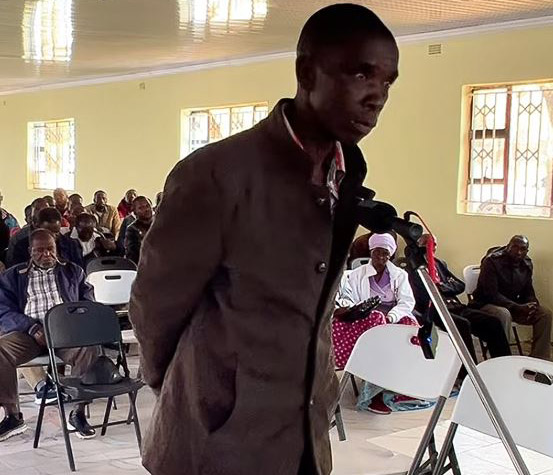
A MUCHENA man has been accused of allowing a longstanding family dispute with Headman Muchena to spill into a community water project, triggering a bitter confrontation that has now landed before Chief Mutasa’s community court.
Givy Muchena is accused of verbally abusing Nyautonga villager, Misheck Mwamuka, one of the leaders of a solar-powered water project, after he allegedly stopped his child from fetching water during a period reserved for supplying Headman Muchena’s homestead.
Mwamuka said the project serves the wider Muchena community through communal taps, with water only being diverted to the headman’s homestead for three hours every Friday under an arrangement approved through amendments to the project’s constitution.
“We have a solar-powered water project serving the community. Water is supplied through communal taps, and only three hours every Friday are set aside to direct water to Headman Muchena’s homestead. For the rest of the week, the water is available to the community,” said Mwamuka.
He said trouble began when he found Givy Muchena’s child fetching water during the scheduled allocation period.
“I simply advised the child to wait until we had finished supplying water to the headman’s homestead. A short while later, Givy called me, and insulted me using vulgar language. He even insulted my mother. All I had done was explain the water distribution arrangement,” he said.
Mwamuka alleged that the confrontation escalated during a series of phone calls.
“I eventually ended the conversation, but he kept calling me. He later warned me that misfortunes would befall me because I had started a war. I am now living in fear because I do not know what he might do next,” he said.
He said he felt unfairly dragged into what appeared to be an internal Muchena family dispute.
“I am not even a member of the Muchena family. My only role is helping to manage the project and ensuring that water reaches the headman as agreed. I should not be caught up in family disagreements,” he said.
Mwamuka stressed that the arrangement did not give the headman control over the project, but merely allocated him three hours of water per week.
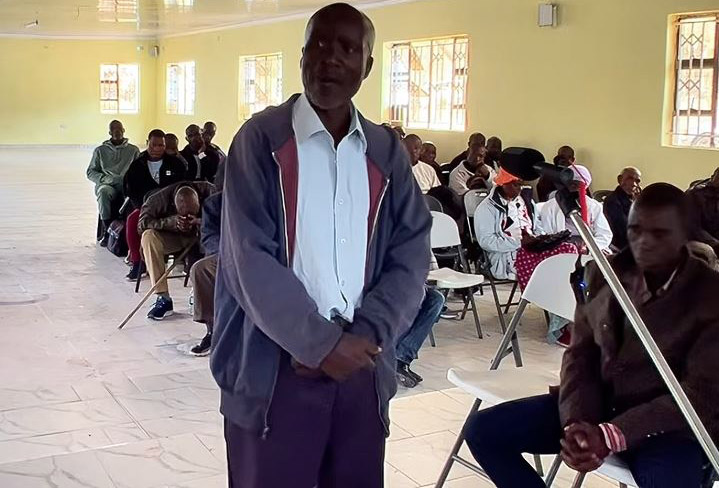
However, Givy Muchena questioned the decision to divert water to the traditional leader’s homestead, arguing that the project was established to benefit all villagers equally.
“This is a Government project. I do not believe anyone should receive special treatment because of their position. During our training, we were told that this project had nothing to do with traditional leadership. It was a UNICEF and Mercy Corps initiative meant to serve the entire community,” he said.
He further challenged the basis upon which the headman was allegedly allowed to have water channelled directly to his home.
“We were told that no individual was allowed to install taps, drums or hosepipes at their homestead for personal use. Now the headman is doing exactly that, and I want to know why he should be treated differently,” he said.
Muchena linked the dispute to his removal from the project’s leadership structure, claiming he had been ousted as vice-chairperson without due process.
“They held a meeting while I was absent and removed me as vice-chairperson. It was like a coup. Since then, they have been running the project however they want. There is no functioning committee and Mwamuka appears to be making decisions alone,” he alleged.
He also claimed that community water supplies were deliberately switched off on Thursdays and only restored on Friday afternoons to facilitate the diversion of water to the headman’s homestead.
“There used to be 32 taps serving the community. Now water is being diverted to one homestead. he said.
Despite his objections, Muchena denied harbouring personal animosity towards the headman.
“He is my relative and I do not hate him. My concern is that this project was established to benefit the entire community. I do not understand why one person is now receiving water in this manner,” he said.
Read more on: www.herald.co.zw
Presiding over the matter, Chief Mutasa said Muchena appeared to view the project as his personal property rather than a community resource.
The chief explained that after development partners completed the project, responsibility for its operation and sustainability was transferred to the community.
He also questioned why the allocation of three hours of water per week to the headman had become such a major source of conflict.
“If you are not getting along with the headman, it may be difficult for you to accept that he is receiving water. But how is he interfering with the project by receiving water for just three hours out of the 168 hours in a week?” asked Chief Mutasa.
The chief warned that personal grudges and family disagreements should never be allowed to disrupt essential community services.
To ease tensions and ensure uninterrupted access to water for residents, Chief Mutasa advised project leaders to consider changing the days on which water is supplied to the headman’s homestead so that the wider community could continue accessing water on Fridays.