admin
admin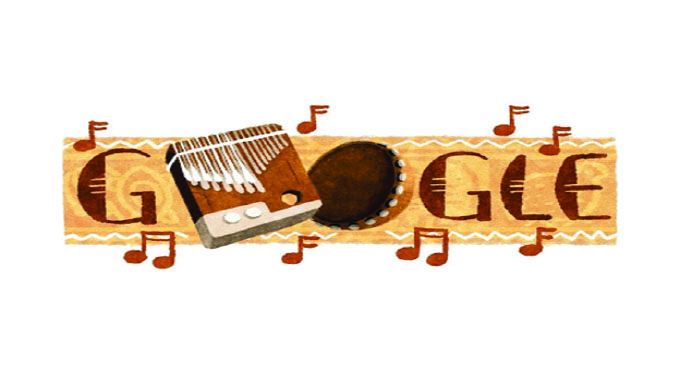
Jona Masiya
Arts Correspondent
During Zimbabwe’s national culture week, from May 18 to 24, something strange happened.
I say strange because 10 Zimbabwean parents living in the United States messaged me, requesting mbira lessons for their kids.
Trust me, I have been playing and teaching mbira for over 20 years and none of this ever happened. What changed?
My Facebook page was packed with messages from my American friends, asking me if I had seen it. What was it?
Oh, the Google Doodle! For this year, Google decided to create a mbira Google Doodle to celebrate Zimbabwe’s culture.
Let this sink in; for seven days, Zimbabwe’s national instrument and mbira music were on Google’s main page.
This means that globally, anyone who had internet access was able to try their hands on the mbira via the interactive Google Doodle.
What Google did with the mbira influenced outsiders who may now be curious about learning the instrument.
However, many Zimbabweans I know were surprised about a Google Doodle. A lot of my Zimbabwean friends posted ‘proudly Zimbabwean’ hashtags on their social media pages.
To be honest, the Google Doodle also evoked serious backlash among other Zimbabweans, but that is another discussion for a different article.
In Zimbabwe, the mbira has always been regarded as a sacred instrument played mostly by men. It is also shunned by those in some religious circles as an instrument that evokes spiritual possession.
The question is, what should Zimbabwe do with the fortune knocking at its mbira music door? Imagine the cultural tourism which could come from visitors wanting to see and perhaps learn the mbira in its home country.
Google has thrown us into the international spotlight. How about a national dialogue about the mbira? It would be a good idea to have mbira introduced in our primary and secondary schools as a subject. Other cultures are teaching their kids guitar, violin, piano, and keyboard, why not the mbira?
To preserve our mbira culture, we must be willing to formally teach it in our schools as well as teach anyone else who is not Zimbabwean.
This is how cultures evolve and dominate too. Whether we like it or not, the mbira is now an international instrument.
We can either watch as other cultures take it up and modify it to their pleasure, or we take this opportunity to benefit us now and future generations. Those who embrace it now will advance the Zimbabwean culture.
The author is a teacher and mbira musician based in the United States. He is a former music lecturer at Masvingo Teachers College.



 Online Reporter