Online Reporter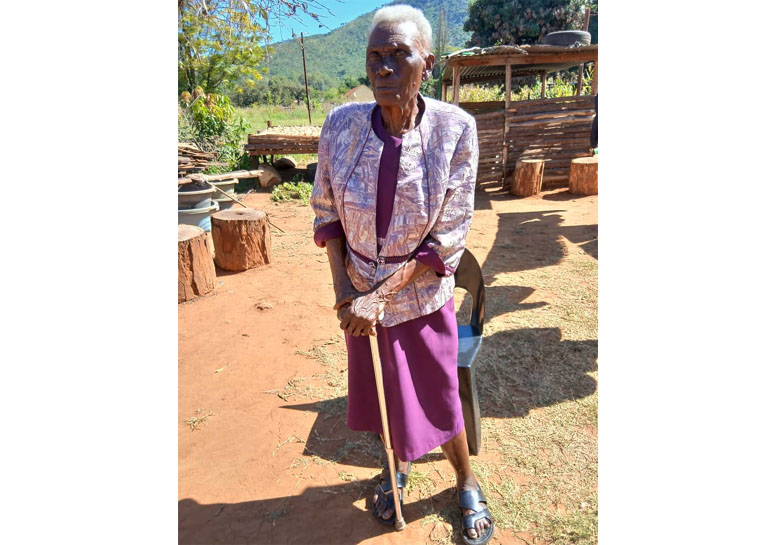
Tapiwanashe Kujinga
I SWITCHED on my phone after a long break and started going through my texts.
When I read the text message informing me of the passing away of Mbuya Paradzai (Mrs Margaret Paradzai nee Ramhewa), I immediately knew that it was the end of an era.
Mai Zondai, as she was popularly known, was not just our neighbour, she was the vendor who sold an assortment of wares including nzungu (groundnuts) and mafete (fat cooks) at the gate of Mutanda Primary School, she was the guru who could tell us stories of the Sakubva of old, and she was one of the matriarchs of Anglican Holy Name Church where she would attend services in her splendid uniform which marked her as Mai Ruwadzano.
For us, newcomers to Sakubva, we carried an ugly label which we found humiliating and degrading.
We were the “born location” generation – children who were born in the location. Sakubva then was dominated by people who had migrated from the rural areas of Chipinge, Mutasa, Bocha and beyond.
To them, the thought of someone being born in Sakubva was repugnant, and so they coined a moniker for the like of us. “Born location” was not just a label, it was meant to remind us that we did not have the brawn and fortitude of rural folk, to them we were weak and inconsequential.
It was some sort of social apartheid. We carried the label in shame and dreaded the times when someone would casually remark that you were a “born”.
But Mai Zondai saw things differently.
She would proudly talk of the old Sakubva, how the Beit Hall was built, the swimming pool, the stadium and the great landmarks of the suburb. And how Musika weHuku (Sakubva Market) evolved.
These landmarks were part of our reality, these were our streets, and this was our hood.
Mai Zondai herself got that name by default; Beauty was her first born, but she was eclipsed by Zondai who was larger than life, and made his mark known through his remarkable bravura.
I remember him playing a rather loud game of chabuta with Baba Trevor in front of the Church of Christ where we lived, and hunting for wild cats (maponga) in the hood.
Sisi Beauty was a direct contrast to Zondai, quiet, reserved and almost invisible.
Mai Zondai would sell her roasted peanuts which were measured in a lid from a disused Vaseline bottle, the lid itself was bashed in which made the measure of the wares smaller, but we did not care. We still paid a cent for the peanuts.
She also sold fat cooks which we called mafete, this was flour dough seasoned with yeast and then fried in cooking oil. This was until the council banned them. Only later did I learn that the proper name was vetkoek, and that it was an Afrikaner innovation. The Afrikaans word itself means “fried dough” but somehow it was translated into “fat cook” when the innovation hit our shores. Vetkoek or mafete, the semantics meant no difference to us. We consumed them with gusto until council deemed them unhealthy.

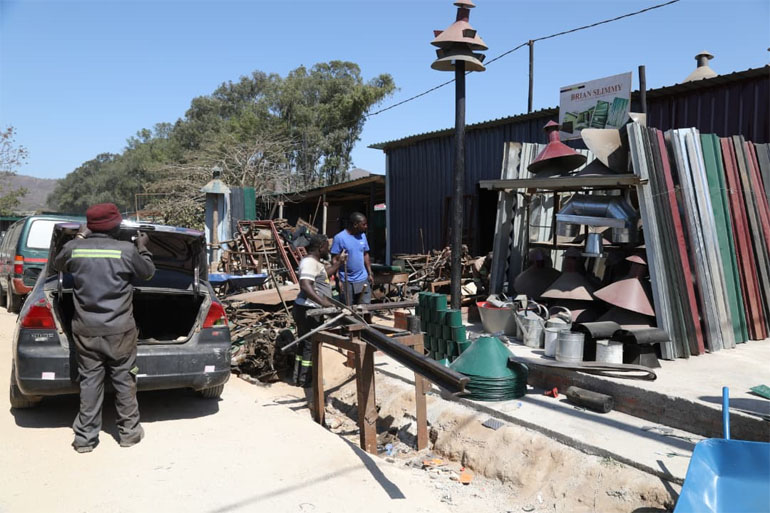
Mai Zondai’s selling point was strategically positioned so that you could not go to Mutanda Primary School, Sakubva Secondary School, Mutare Teachers’ College and Elise Gledhill Secondary School (which we called Tendai) from the Sakubva direction without passing through her workstation.
The market augmented what Baba Zondai brought in – he was so quiet and so soft spoken I never heard him raise his voice in anger or panic even in times of crisis.
It was Mai Zondai who brought me to shake off the “born location” tag which I had hitherto carried like some unwanted baggage.
Birth is a fluke, was her philosophy, this Sakubva is where your pride belongs. I then saw things differently. I could not handle a plough or herd cattle like the rural folk who tormented us, but I could go swimming behind Mutanda Primary School and at the swimming pool near the stadium whenever I came into some money, I knew how to play street football, and I could handle the jairendi in the playground.
I knew the film champions as well as maguruvha (bad guys). I could tell the difference between the cowboys and mangora (Red Indians).
The “born locations” had their strengths, as we later realised. As our numbers grew, from Old Location to Chinyausunzi, from Magereka to Devonshire, we became proud “born locations”, we created our own bereavement contribution (chema) whenever one of passed away, and we identified ourselves as products from that sprawling ghetto.
Some of us have gone out there to conquer the world, we are manning cybersecurity systems in Virginia, we are hobnobbing with other neurosurgeons in the United Kingdom, and we are lecturing university students in South Africa. We are the proud products of Sakubva.
Mai Zondai was the old generation which owned the streets of Sakubva before we took them over and then handed them over to another generation.
They were there to see the ghetto grow and told us what they witnessed.
Her passing away marked the end of a receding era where the legends such as Reverend Jijita, Mbuya Chiduku, Mayor Lawrence Mudehwe, Mbuya Muzaya and Susan wepaBeit are no more than tales that we now tell.
May their souls rest in eternal peace. But we are no longer ashamed of having been born in Sakubva.
The ghetto shaped us and left indelible memories which we will always cherish. We met every Saturday at the Beit Hall to watch Bruce Lee, Chuck Norris and Charles Bronson in action; the fee was half a cent until inflation struck and it went up to one cent.
We created the Desert where classroom squabbles were settled, and we composed a song about a certain mugusha (municipal police) called Maraire.
To me, Mai Zondai remains one of my first memories of Sakubva. I hope that she is enjoying her vetkoeks with the angels.
Tapiwanashe Kujinga is a legal practitioner and a director at Pan-African Treatment Access Movement.