

 Online Reporter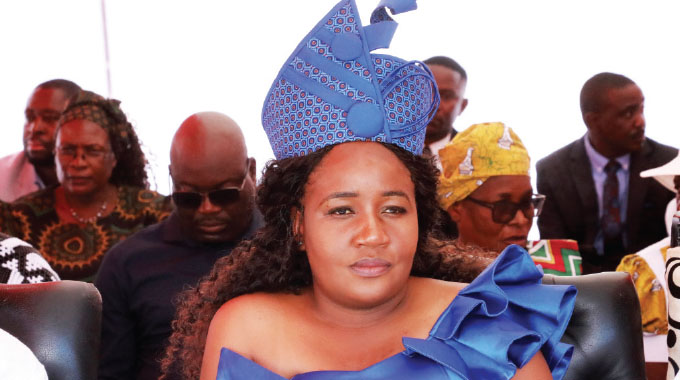
Bruce Ndlovu, Sunday Life Reporter
WHEN Zanele Khumalo was installed as the Regent Chief Mabhikwa in March this year, the occasion felt like history in the making.
As meat roasted on open fires and drums thundered in dusty Jotsholo, many hailed the day as a bold new step into a new era of traditional leadership.
While she would only serve as regent, for the first time in the history of the chieftaincy, the reigning Chief Mabhikwa would be a woman, at least until Wayne Makhosemvelo Khumalo (9) came of age and took over the reins.
The move was welcomed by some in society, as to them, it signalled the turning tide in traditional leadership.
On that merry day, Zanele became the fifth female traditional chief in the Matabeleland region, following Chief Mvuthu of Hwange also in Matabeleland North Province, Chief Sinqobile Mabhena of Umzingwane, Chief Ketso Mathe of Gwanda and Chief Nonhlanhla Sibanda of Insiza, all from Matabeleland South Province.
This was a victory for a fast-changing society, the optimists said amid the pomp and fanfare in Jotsholo in Lupane District.
However, even on the fringes of that ceremony, there were already murmurs of discontent. Those familiar with the goings-on in the Khumalo family said the family was split, with some reportedly fiercely opposed to the new regent chief.
In the following days, rumours that a court challenge was afoot, fronted by John Khumalo with the support of 32 members of the Khumalo family, proved true.
In their founding affidavit, they argued that the Traditional Leader’s Act and the Constitution of Zimbabwe did not provide for any regent chief.
John, who said he was already serving as the acting chief, also outlined that the appointment of a married female chief was an affront to the Khumalo family traditions.
“The Fourth Respondent (Zanele) who is my niece is married as a Mrs Ndlovu and not conversant with the traditional ceremonies of the family, clearly incapacitated, aloof and her appointment is against the will and wish of the family and is a clear recipe for disunity not only within the family but also within the community.
“The appointment of a woman chief even in an acting capacity is alien in our family and an insult to our customs and practices. We have nothing against women’s rights but this is a purely cultural and family issue.
“It means Mrs Ndlovu either has to leave her matrimonial homestead in Jotsholo and relocate to the Chief Mabhikwa homestead together with her husband or the chieftaincy homestead has to relocate to Jotsholo in her homestead.
This is unthinkable and will amount to a cultural desecration to the whole family and clan and it is unacceptable,” said John.
On the face of it, this seemed to be a confrontation between the old and the new, custom and contemporary views of gender equality.
However, if one dug deeper, it would reveal that this was only the latest salvo in a family feud that has been simmering for decades.
A chieftaincy disputed, a lineage contested
This week, Bulawayo High Court Judge Justice Mposeni Dube set aside the appointment of Zanele as Regent Chief Mabhikwa.
Referring the matter to the national chief’s council, Judge Dube reasoned that the courts have no jurisdiction to handle issues concerning the appointment of traditional chiefs or regents.
The court also said the appointment of Zanele was improperly done as some chiefs in her clan overrode the Mabhikwa-Khumalo family’s input.
Among the arguments made by John was that the chieftaincy dispute dates back to December 2009, when the High Court delineated the lawful process for the appointment of a Chief within the Mlonyeni Khumalo chieftaincy, where he was declared the successor to the Chief Mabhikwa chieftaincy.
Past legal challenges by John delayed the ascension of the last substantive Chief Mabhikwa, Vusumuzi Khumalo, who passed away after a fatal car accident in 2022.
At the heart of the dispute is the belief by John and his supporters that Nicholas Khumalo, the father of Vusumuzi and Zanele, was not the rightful Chief Mabhikwa.
Their claim was stitched together from a long-running belief about lineage, tradition and who truly carries the fabric of the Mabhikwa legacy. To them, Nicholas could never have been heir.
His mother, the original Chief Mabhikwa’s first wife, was a Mabhena and so were the next two wives.
In the eyes of traditionalists, children born of Mabhena women simply could not be expected to stand at the front of the succession line. Those staking their claim argued that the rightful heir was supposed to come from MaMkhwananzi, the latter wife, whose lineage, they insisted, embodied the authentic thread of inheritance.
Yet when the original Chief Mabhikwa passed on in 1983, it was Nicholas, son of the most senior Mabhena woman, who stepped into the regal regalia and took over the chieftaincy, holding it with quiet authority until his death.
His death in 2006 was the start of a legal wrangle over who the rightful heir to the chieftaincy was.
A mother’s grief and a woman’s burden
Signs that old disputes about the Mabhikwa chieftaincy were about to be reignited emerged in 2022 after the death of Vusumuzi.
Following the appointment of John as the acting chief, the mother of the late traditional leader, Sibonginkosi Sithole, wrote to the National Chief’s Council, registering her disappointment at these latest developments.
“I am writing this letter in great dismay and grief as the mother of the late Vusumuzi. With all due respect, this letter serves as a special request concerning what has happened since I lost my son. I know that culturally I do not have the power to pick a successor to the throne and later decide who should sit on it,” Sithole wrote.
“I am hurt and devastated that an acting chief has already been appointed without my knowledge as the mother of the late chief . . . I feel the appointment of the acting chief came early. I would not have been concerned if it had been done respectfully.”
After authorities heeded her cries, her daughter, Zanele, would find herself at the centre of the raging dispute.
This, however, is not the first time a woman has occupied a prominent role in the direction of the Mabhikwa chieftainship.
According to historian Thomas Sibanda, the Mabhikwa chieftaincy was founded by Queen Lozikeyi after she was allocated land by the whites in what is now known as KoNkosikazi to reside with other queens after the disappearance of the King.
As the area did not have a chief, Queen Lozikeyi appointed Mfulane Khumalo as its traditional leader.
Mlonyeni’s second wife, MaThusi, had only conceived with the help of a traditional healer and as was tradition during that time, a child was named after the traditional healer who had helped her get pregnant.
The healer’s name was Mabhikwa, who became chief after all of Mlonyeni’s children with his first wife perished.
A battle won, but the war continues
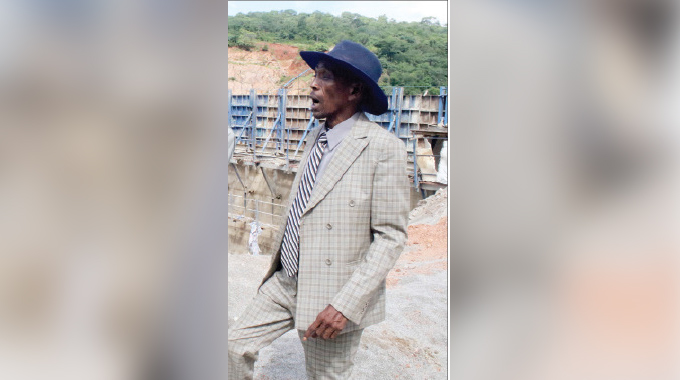
While John might have triumphed in the high court this week, few expect that this is the end of the saga.
A member of the Khumalo clan supporting Zanele’s claim told Sunday Life anonymously that they were still weighing their options as they were vehemently opposed to John’s stay as acting chief.
His acting chieftaincy has stoked the belief that he would not be willing to relinquish the reins when Wayne Makhosemvelo Khumalo, who is still a minor, is old enough to take charge.
Given that John disputes that his grandfather and father were rightful claimants of the chieftaincy, they doubt that he will somehow change his mind over the next decade.
“This is an old war and it is far from over. A leopard does not change its spots and we have had a dispute with this same individual and those supporting him for decades. Who is to say he will step down when the time comes for him to do so?”


