


 Online Reporter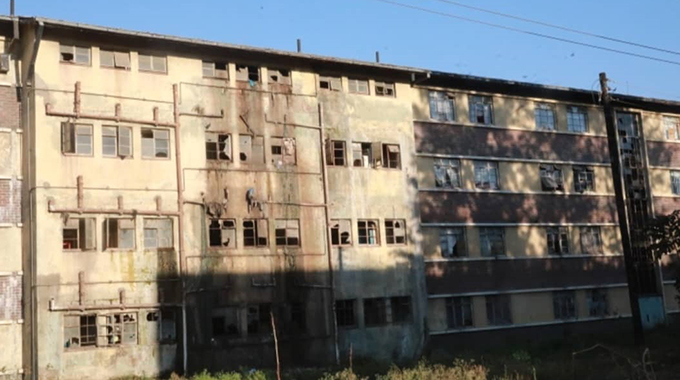
Gibson Mhaka, Zimpapers Politics Hub
IT was a typical Thursday afternoon, and a group of school-aged boys were kicking a worn plastic football outside Burombo Flats in Bulawayo’s Nguboyenja suburb, completely oblivious of the historical significance of the month of August.
When a Zimpapers news crew approached the boys to ask if they knew anything about the man the hostels were named after, they were more interested in their game.
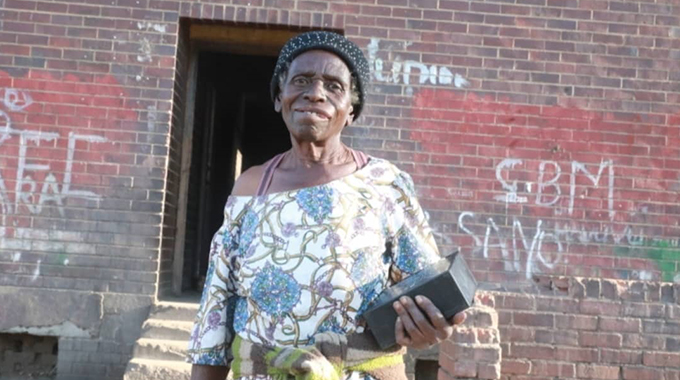
It was only after the timely intervention of an elderly, long-time resident, Ms Mildred Ncube (77), that they paused their match and decided to listen.
She explained that the housing units were named after Benjamin Burombo, one of Zimbabwe’s founding nationalists and a trade unionist who led workers’ strikes against racial discrimination during the Rhodesian era.
However, Ms Ncube’s tone soon turned to one of sadness and protest.
“I don’t blame them; there’s nothing to be proud of — being associated with this place, even though it was named after a famed hero,” she said, throwing her hands up in frustration.
“It is embarrassing to tell people that you live at Burombo Flats because of the squalid conditions here. The conditions don’t even equate to the respect accorded to the man the flats are named after.”
Ms Ncube said the conditions they were living in were so poor that it was as if they were living true to the literal meaning of “Burombo”.
The peeling, cracked walls of the hostels, stained with decades of neglect, are a testament to the generations of families who have come and gone.
The raw effluent from burst sewer pipes, along with mounds of uncollected garbage and water shortages, are a daily reality for the residents.
This is a far cry from the dignity that Cde Burombo fought for, creating a painful irony for the community that bears his name.
President Mnangagwa will present national flags to the families of four posthumously declared National Heroes during this year’s Heroes Day commemorations, set for Monday. The family of Cde Burombo is one of the recipients.
The upcoming presentation of the national flag to the Burombo family by President Mnangagwa is a profound gesture of respect and national gratitude. This honour serves as a powerful testament to the pivotal role Cde Burombo played as one of the earliest African nationalists to advocate for black emancipation.
By posthumously declaring him a National Hero and bestowing this symbol of the nation, the country formally acknowledges his sacrifice and unwavering dedication to securing the rights and dignity of all Zimbabweans.
Cde Burombo was born in 1909 in Buhera, Manicaland Province.
He was one of the earliest African nationalists to advocate for black emancipation when national consciousness among Africans was still dormant.
After working in South Africa and later in Bulawayo, Cde Burombo formed the British African National Voice Association in 1947.
The association’s notable achievements were to call for a general strike in 1948 and to campaign against the 1951 Native Land Husbandry Act.
The Act was intended to privatise communal lands.
He was just 50 years old when he died in 1958 but his deeds inspired later generations of nationalists who demanded majority rule through one man, one vote.
Cde Burombo’s death came at the rise of African nationalism and his name was canonised through the construction of blocks of flats named after him.
While Cde Burombo’s legacy tells a unique story of a pioneering freedom fighter, the residents of the flats named in his honour feel abandoned by those responsible for their welfare.
Burombo Flats, an iconic housing structure accommodating hundreds of families in three towering buildings, remains a prominent feature on Bulawayo’s urban landscape along the busy Luveve Road.
The Bulawayo City Council (BCC)-owned property has deteriorated over the years due to a lack of maintenance.
The council neglected this historically significant structure, which is visibly in a state of decay.
A visit to the flats was greeted with the sight of sewage spewing from leaking pipes into the streets.
Children were seen playing football or running around, unaware of the health risks to which they were exposed.
A single toilet is said to be shared by more than seven families, with each family having at least six members.
Some residents of Burombo Flats refused to entertain the news crew, saying there was nothing left to say about their living conditions.
They instead ordered the crew to go inside and see for themselves.
As one walks through the dark corridors, they are greeted by a foul smell with walls plastered with a thick layer of grime.
As a result, the residents who live in these three large blocks feel a profound disconnect between the dignity their hero fought for and the neglect they face today.
“The squalid conditions here at Burombo Flats don’t match the respect our nationalist hero, Benjamin Burombo, truly deserves.
“It’s a painful irony that a place named in his honour has been left to crumble.
“We appeal to the City Council to rehabilitate this area so that it looks better and reflects the dignity of his legacy, just like other places named after national heroes.
“This would not only improve our living conditions but also serve as a proper tribute to a man who fought for the rights and dignity of all Zimbabweans,” said Ms Ncube.
Burombo Resident Association Secretary for Education, Mr Christopher Sibanda (68), echoed Ms Ncube’s sentiments, saying they wanted the place to have the same status given to Cde Burombo, since he was a founder of the community.
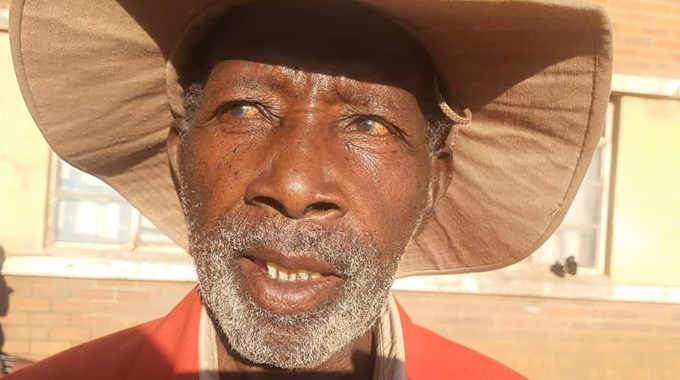
“When we first came here, it was a place reserved for bachelors and we used to stay two to a room. The conditions were good, but now the building is dilapidated. There’s no electricity, and the sewer system doesn’t work,” he said.
“We have tried to engage the Bulawayo City Council on this issue, but the response we get is that the flats are now overcrowded. As a result, some families are forced to share rooms with their grown up children,” he added.
Mr Sibanda continued: “We want this place to have the same status given to Benjamin Burombo, since he is a founder of this community.
“We appeal to the City Council to respect this place by renovating it and changing the name from “hostels” to “flats”.
“We also want to thank the Government for posthumously honouring (Cde) Burombo, and we believe the same honour should come to this place which was named after him. We want it to be a decent place, just like other areas named after national heroes and heroines.”
He implored the Government to intervene and address their plight following BCC’s failure to attend to their pleas.
The honour of bestowing National Hero status to Cde Burombo should be matched by a commitment to ensuring that the physical places associated with his name are not a source of shame.
A renewed Burombo Flats would stand as a true testament to the legacy of a man who fought for a better life for all.
To affirm its commitment to the national ethos embodied in shared memory, in 2021 the Second Republic under President Mnangagwa, the custodian of the people of Zimbabwe’s cultural mores and values, renamed some of the buildings owned by the Government in honour of the heroes and heroines of the First and Second Chimurenga, thus, immortalising the gallant sons and daughters of the soil’s legacies.
Among those honoured through buildings and other monuments are General Mtshana Khumalo, Chief Chingaira Makoni, Mgandane Dlodlo, Chief Chiwashira Muchecheterwa, Queen Lozikeyi, and Chinengundu Mashayamombe.
They join other heroes of the First Chimurenga, Sekuru Kaguvi, Mbuya Nehanda and Chaminuka, among others, whose contribution to the liberation of the black majority from colonialism, were also recognised through monuments, shrines, roads, hospitals and buildings.
This national effort to preserve and celebrate the legacies of Zimbabwe’s heroes through physical monuments provides a clear precedent.
The renovation of Burombo Flats, which are named after a national hero, should be matched by a commitment to ensuring that the physical condition of the flats reflects his revered status.
Such an effort would serve as a powerful and practical tribute to the legacy of Benjamin Burombo, extending the honour beyond a symbolic gesture.
By renovating the flats, the City Council would not only improve the living conditions of hundreds of families but also bridge the profound disconnect between the hero’s dignity and the current state of the property.
A well-maintained and dignified housing structure would stand as a source of pride for the community and a true testament to the values of a man who provided inspiration for the next generations of African nationalist leaders.


