Online Reporter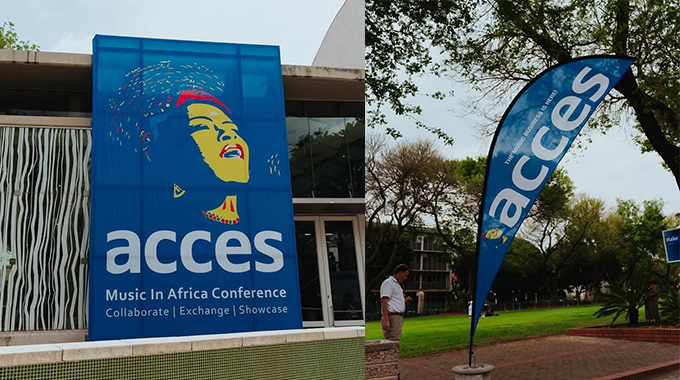
Mbulelo Mpofu, recently in Pretoria, South Africa
THE recently held “Music In Africa Conference for Collaborations, Exchange and Showcases” (ACCES25) echoed far beyond its Pretoria base. For delegates from Zimbabwe and across the continent, it was more than a celebration of African sound — it was a masterclass in reviving struggling music ecosystems. The event delivered practical insights into infrastructure renewal, operational discipline, rights management, and gender equity — offering a much-needed blueprint for countries like Zimbabwe.
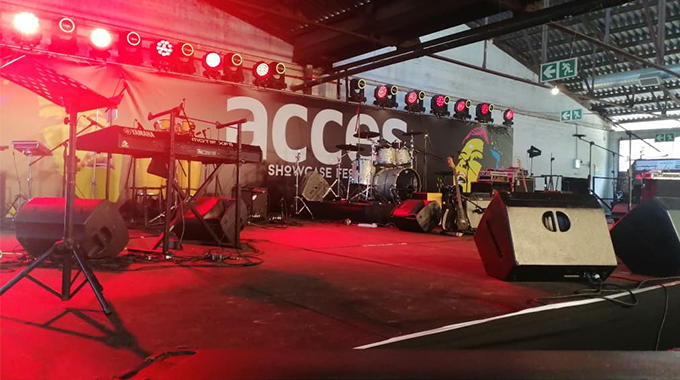
One of the most visually compelling lessons came from the transformation of 012 Central. Once a derelict industrial warehouse in Pretoria, it was meticulously revitalised into a vibrant venue for the ACCES25 Showcase Festival. This was not mere decoration — it was strategic urban regeneration. It demonstrated the untapped potential of underutilised urban spaces as cultural powerhouses.
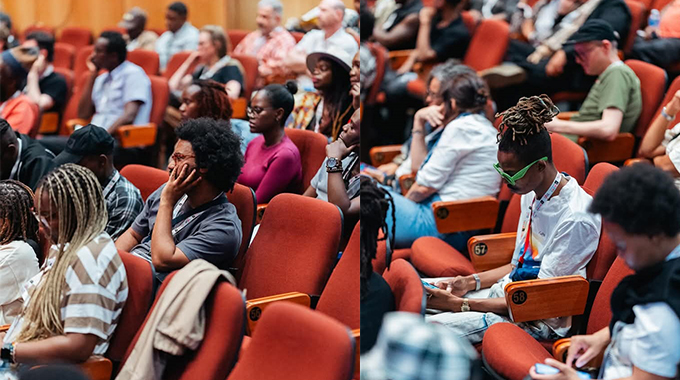
“For Zimbabwe, this is a direct challenge. Think of the old industrial sites in Bulawayo, or disused buildings in Harare’s city centre. We have spaces crying out for this kind of vision. ACCES proved one doesn’t need to build from scratch; but they just need imagination, investment, and collaboration with city authorities to transform dereliction into dynamic cultural venues,” said Mitchell Banda, a Bulawayo-based event promoter and artiste manager.
This model offers a cost-effective way to create music hubs, stimulate local scenes, and boost urban economies without the need for large-scale construction.
ACCES25 also stood out for its exceptional time management. Performances ran like clockwork, transitions were seamless, and the overall schedule was executed with impressive precision. This was in stark contrast to the delays that often plague festivals across Africa, including Zimbabwe, where “African time” frequently leads to frustrated artistes and disengaged audiences.
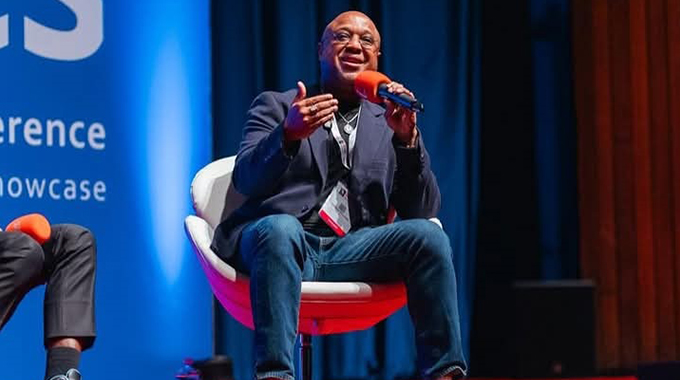
“This level of professionalism is non-negotiable for growth. It shows respect for the artist’s craft, the audience’s commitment, and the industry’s credibility. Zimbabwean festivals must adopt this discipline. It signals seriousness to international partners and builds audience trust. ACCES proved it’s possible to run a multi-venue, multi-artiste event on schedule without sacrificing energy,” emphasised Michelle Dhube, a Harare-based events coordinator and one of seven Zimbabwean women attending ACCES through the Gender@Work initiative.
A key operational insight came from the intricate yet effective ecosystem of South African Collective Management Organisations (CMOs). These include Sampra (neighbouring rights), Capasso(mechanical rights), Samro (performing rights), RiSA (recording industry), Impra (independent labels), and AIRCO (independent record companies). This multi-agency model ensures specialised expertise and maximises royalty collection for creators.
In contrast, Zimbabwe’s system — primarily Zimura and Zicco — lacks the same depth, specialisation, and potentially, the transparency and efficiency of its South African counterpart.
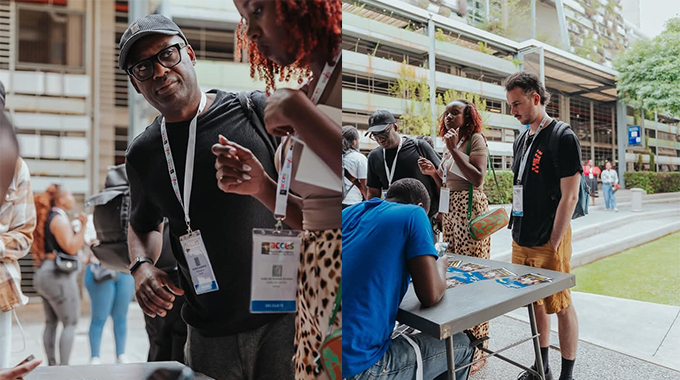
Gender equity was another cornerstone of ACCES25, championed through the Music In Africa Foundation’s Gender@Work programme. Seven Zimbabwean women were selected as interns, gaining hands-on experience across the festival’s operations.
“I got to know the technical side of things. One of our trainers taught us how to create a ‘technical bible’ where one gets information on the artistes, how many band members they have, what the hospitality and technical riders require and how to disseminate that information to other crew members. It has been quite a week of learning for me,” said Dhube.
The challenge now lies in applying these skills back home. Zimbabwe must support these women in implementing what they’ve learned, creating pathways for others and embedding gender equity across the industry.
Further amplifying this message was the presence of Edith Katiji, President of the Zimbabwe Musicians union (ZiMU), who participated as a panelist. Her involvement highlighted the importance of strong, gender-representative unions in advocating for fair treatment and policy reform.
ACCES25 was far more than a networking platform — it served as a practical model for music industry revival, urging stakeholders to take action across five critical areas. These include spatial regeneration, which involves repurposing neglected urban spaces into cultural hubs; operational rigour, through the enforcement of strict time management and professional standards; and rights management reform, calling for a review and restructuring of Collective Management Organisations (CMOs) to enhance efficiency and transparency.
The conference also emphasised gender empowerment by supporting Gender@Work alumni and promoting women’s leadership across the sector, and highlighted the importance of union strengthening to ensure musicians have robust, representative bodies advocating for fair treatment, equitable pay, and policy reform.
The transformation of 012 Central stands as a powerful metaphor. Just as a decaying warehouse was reimagined into a thriving centre for African music — hosting artists like Focalistic, Zoë Modiga, and Mwendamberi — so too can Zimbabwe’s music industry be revitalised through vision, investment, and collaboration.
The lessons from ACCES25 are clear: with vision, collaboration, discipline, and equity, transformation is not only possible — it is imperative.
— Follow on X @MbuleloMpofu