


 Vusumuzi Dube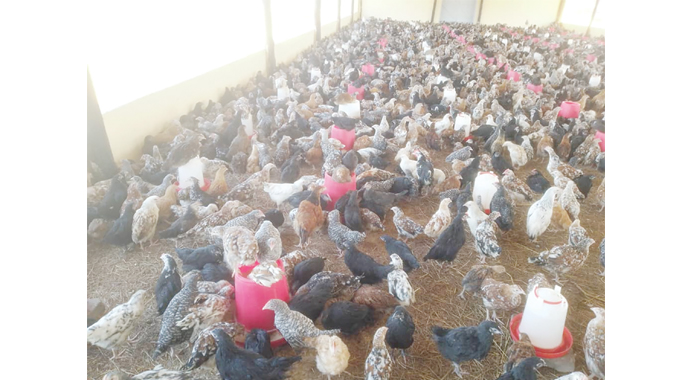
Farming issues with Mhlupheki Dube
MY own experience as an emerging smallholder table egg producer inspired this instalment. A big chain poultry meat and egg retail shop opened in a branch in my town and things have not been the same for most backyard smallholder producers in my small town.
Consumers understandably celebrated the coming in of this big player in poultry meat retail as it meant access to affordable cold dressed chickens and chicken cuts. Smallholder producers of chickens as well as table eggs have been singing blues ever since because the competition became real and ruthless.
Suddenly broiler chickens which could easily be snatched for anything around USD$6, were suddenly not moving as the big player offered dressed chickens for much less than that for the same size of birds.
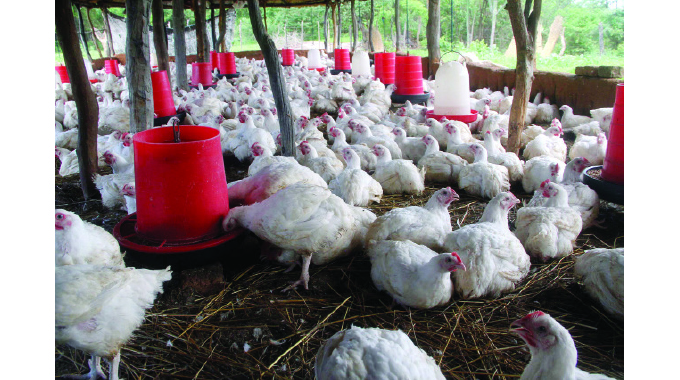
The same predicament befell smallholder table egg producers who had to contend with the big player selling a crate of eggs at significantly less than what is economically viable for smallholder producers.
This was further compounded by the ever-increasing price of stock feed and the constantly depreciating South African rand which is a currency of preference in my town.
So now the small-time producer of eggs is faced with always increasing price of layers feed, a depreciating rand and big player selling at below economically viable price.
The matrix of economics becomes entangled and the chess moves becomes limited for the smallholder player and sinking becomes more assured than imagined! While the immediate casualties of the arrival of the big boy in town, are obviously smallholder producers, my intricate understanding of value chain interlinks and interplays tells me that even some big retailers of poultry feeds and accessories may soon begin to feel the pinch as the aggregate effect of folding smallholder customers sets in.
The multitude of smallholder poultry and table egg producers who were religiously buying feed from the stock feed retail outlets will no longer be bringing their business as they buckle down and out under the pressure from the big-time poultry retailer.
This instalment is not meant to vilify the presence of the bigger retailer but to dramatise the value chain disruption that comes with it. Also, it aims to inspire the affected smallholder players to be agile and find business dexterity to enable them to survive or they easily become victim of the age-old phenomenon of “survival of the fittest”.
I guess the important question becomes, “what should a smallholder producer of either poultry or table eggs do to survive such stiff competition?”
I will not claim to have answers to this pertinent question but just to indicate that burying the head in the sand and hoping the problem will go away is certainly not the answer.
The immediate approach would be to find your competitive edge of this established player and exploit that. A very simple example could be that a smallholder player may consider offering a credit facility for his/her customers, something which big retailers will not do.

This obviously does not come without challenges but it’s a step towards survival in a sink or swim situation. Another strategy could be for smallholder producers to utilise economies of scale to leverage on some aspects such as buying poultry feed in bulk and demanding a discount based on the amount of business you bring to the stock feed retailer.
This is easier said than done because of the fragmented nature of smallholder producers but it is not entirely impossible. The guiding principle in all this should be seeking strategy to survive on the face of massive competition that threatens extinction of small-town producers.
I have seen smallholder horticulture producers sink and never to be seen again, under the weight of big commercial farmers who will flood the market with your product and trade at 10 times less than you are.
Many a smallholder farmer have fallen never to rise after being hit by a market glut that made them sell their produce at far less than is viable. This is no different and as such affected smallholder producers need to redefine their space or face inevitable extinction. While the settings of the script could be in my small town, the theatre could be the same in many other areas!
Uyabonga umntakaMaKhumalo.
Mhlupheki Dube is a livestock specialist and farmer. He writes in his own capacity. Feedback [email protected]/cell 0772851275.



 Bongani Ndlovu
 Online Reporter