Chronicle Editor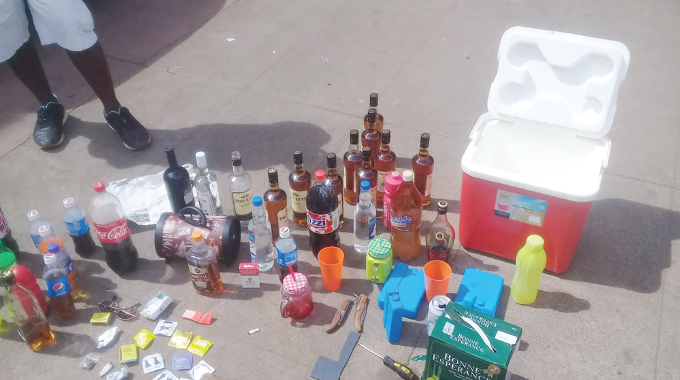
Taygeta Larsyn Zihwi
Bulawayo, Zimbabwe’s second-largest city is grappling with a burgeoning drug abuse epidemic among its teenagers, as evidenced by the alarming rise in Vuzu parties.
These clandestine gatherings, where adolescents engage in illicit drug use and alcohol consumption, expose deeper social and psychological issues within the community.
To effectively combat this growing problem, a well-rounded public policy approach informed by community psychology is essential.
Vuzu parties have emerged as a significant concern not only due to the immediate health risks but also because they highlight broader social and psychological challenges faced by the youth in Bulawayo.
These secretive gatherings are characterised by high-risk behaviours and reflect a troubling disconnect between existing support systems and the needs of young people.
From a Bulawayo community survey, a psychological perspective suggests that several interconnected factors contribute to the rise in drug abuse among teenagers including lack of constructive recreational alternatives, where many teenagers around the city face a lack of safe, engaging recreational activities.
The absence of well-managed youth centres or organised recreational programmes leaves adolescents with limited constructive outlets, potentially leading them to risky behaviours as a form of escape or excitement.
Economic hardship and social instability are prevalent in Bulawayo. For many teenagers, these pressures result in feelings of hopelessness and frustration. In such environments, drug use becomes an appealing escape from daily struggles, offering temporary relief from economic uncertainties and social pressures.
Adolescents are highly influenced by their peers, and in Bulawayo communities, peer groups may glamourise or normalise drug use. Social dynamics within these networks can make it challenging for teenagers to resist participating in Vuzu parties, as such participation may be perceived as a means of gaining social acceptance or fitting in.
Untreated or undiagnosed mental health issues render many teenagers vulnerable to substance abuse.
Without adequate mental health support, these individuals may turn to drugs as a coping mechanism for emotional and psychological difficulties. The limited availability of mental health resources exacerbates this issue, leaving many adolescents without necessary assistance therefore, to address the surge in drug abuse among teenagers in Bulawayo, a comprehensive and multifaceted policy approach is required.
Based on the factors outlined above, the following recommendations might result in a decrease in cases.
Investing in Youth-Centric Recreational Programs that is to establish and fund recreational facilities and programmes specifically designed for teenagers is key. These initiatives should offer safe and engaging activities such as sports, arts, and social events that captivate young people’s interests and provide healthy alternatives to drug use.
Increasing access to mental health services for adolescents by integrating support into schools and community centres can also help.
Early identification and intervention for mental health issues can be facilitated through counselling, therapy, and support groups within these settings, addressing underlying psychological problems and reducing substance abuse risk.

There can be a launch of educational initiatives aimed at both teenagers and their families to prevent drug abuse. Schools and community organisations should run awareness campaigns highlighting the dangers of drug use and the benefits of a healthy lifestyle. By altering perceptions and providing knowledge, these campaigns can help reduce the appeal of Vuzu parties. Moreso, providing counselling and parenting programmes to support families in addressing the root causes of substance abuse is another proposal.
Strengthening family dynamics and improving communication between parents and teenagers can create a more supportive environment, helping prevent substance abuse by addressing issues at home.
While addressing underlying causes is critical, robust law enforcement is also necessary. Efforts should focus on curbing illegal drug distribution and organising Vuzu parties.
Increasing police presence and enforcement in areas known for drug activity can help prevent these gatherings and reduce drug availability.
The rise in drug abuse among teenagers in Bulawayo, exemplified by the concerning trend of Vuzu parties, represents a complex crisis that demands immediate and effective action.
A targeted public policy approach addressing the root causes of substance abuse including lack of recreational options, economic pressures, peer influence, and mental health challenges is crucial for creating lasting change.
By investing in youth programmes, expanding mental health services, running educational campaigns, strengthening family support, and enhancing law enforcement, Zimbabwe can combat this epidemic and offer its youth healthier, more constructive alternatives.
Implementing these evidence-based policies will not only address the symptoms of drug abuse but also tackle its underlying causes, paving the way for a more resilient and thriving community in Bulawayo. Through such comprehensive interventions, we can safeguard the future of our youth and build a healthier society.
l Taygeta Larsyn Zihwi is a Registered Community Psychologist-Intern.



 Online Reporter