malvernmugadzikwa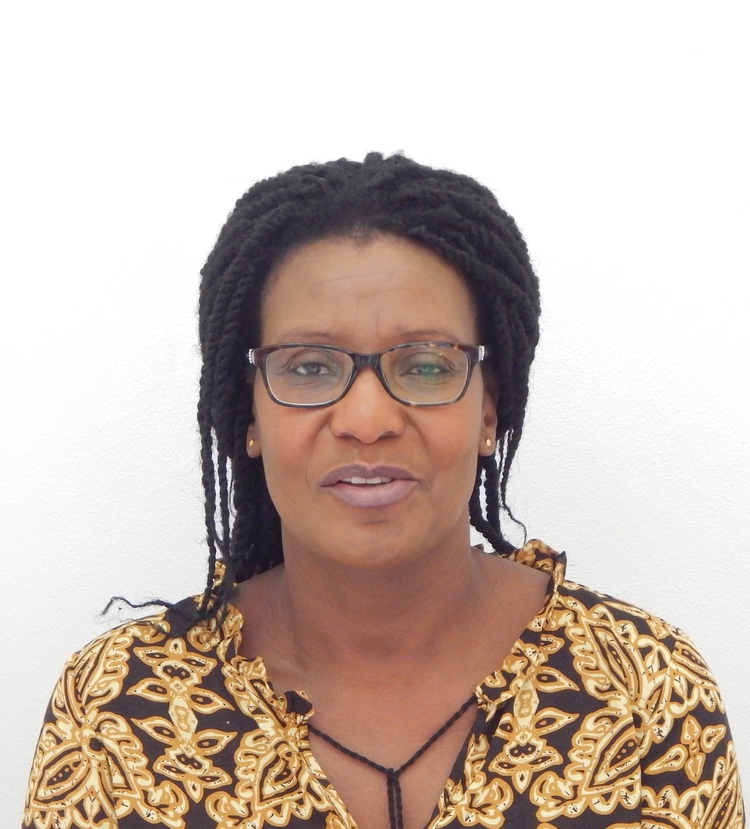
Disability Issues
Dr Christine Peta
AS Zimbabwe takes part in the international 16 Days of Activism against Gender-Based Violence (GBV), which runs from November 25 to December 10, there is need to discuss GBV perpetrated against women with disabilities.
This year’s theme, “Every 10 Minutes, a woman is killed. #NoExcuse. UNiTE to End Violence against Women”, highlights a grim reality.
United Nations (UN) Women reports that in 2023, a woman was killed every 10 minutes globally, often by intimate partners or family members.
However, statistics on GBV against women with disabilities are scarce, making this an invisible crisis.
These women are particularly vulnerable to GBV as they are seen as easy targets by perpetrators.
For instance, deaf women cannot scream for help and blind women cannot identify their attackers.
United Nations Population Fund (UNFPA) estimates that between 40 percent and 68 percent of young women with disabilities experience GBV, including sexual violence, before the age of 18.
A global study further reveals that women with disabilities are up to 10 times more likely to experience GBV than those without disabilities.
But what exactly is GBV?
The UN Beijing Declaration and Platform for Action defines GBV as “any act of gender-based violence that results in, or is likely to result in, physical, sexual or psychological harm or suffering to women, including threats of such acts, coercion or arbitrary deprivation of liberty, whether occurring in public or private life”. UN Women asserts that the average prevalence rate of disability in the female population is 19,2 percent, compared to 12 percent for males, meaning approximately one in five women has a disability. Despite this significant figure, women and girls with disabilities often remain invisible and excluded from decision-making processes that affect their lives, increasing their vulnerability to GBV.
For instance, women with disabilities are frequently expected to tolerate non-consensual sexual behaviour due to misconceptions about their sexuality.
Research suggests that many people believe women with disabilities cannot engage in conventional sexual relationships, leading to the harmful notion that non-consensual sexual acts are a “favour”.
Such false beliefs are often exploited by perpetrators, family members and community members to justify GBV against women with disabilities or to excuse inaction in protecting them from abusive relationships.
Integrating women with disabilities into protection programmes and GBV assessments is crucial.
These assessments should identify not only the vulnerabilities of women with disabilities to GBV but also their skills and capacities.
This information can inform strategies for protecting them and leveraging their contributions to community programmes.
By actively involving women with disabilities in lawmaking, policymaking and programme development, their rights, needs and concerns can be addressed effectively, including in the prevention and response to GBV.
Rigorous planning, implementation and evaluation are essential to ensure the success of these efforts.
There is an urgent need to collect data on the various forms of GBV experienced by women with disabilities in both rural and urban areas. Women with disabilities must not be excluded from research and interventions targeting GBV.
More evidence is required to identify effective interventions that can reduce the incidence of GBV and create lasting positive change in the lives of women with disabilities.
Dr Christine Peta is a disability, public health, policy, international development and research expert. She is the national director of disability affairs in Zimbabwe. She can be contacted on: developafrica2020 @gmail. com


 Online Reporter