

 admin
admin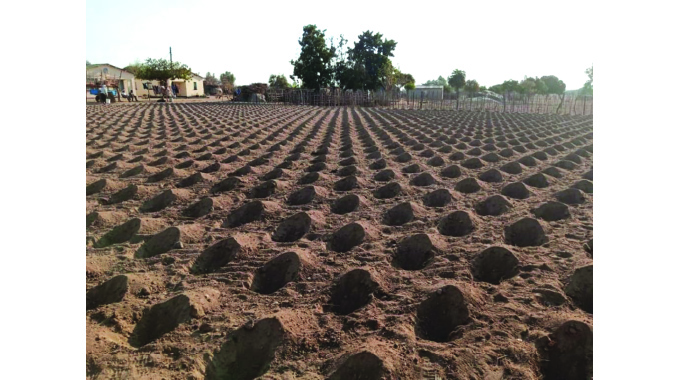
Conrad Mupesa
Mashonaland West Bureau
DESPITE the El-Nino-induced drought that is ravaging much of Southern Africa, Zimbabwe included, some Zvimba communal farmers, who embraced Pfumvudza/Intwasa farming model, have enough food to take them to the next harvest.
The farmers who planted maize, soya bean and traditional grains, are food secure and are currently delivering their produce to the Grain Marketing Board (GMB).
In an interview last Thursday at the Zvimba North Constituency Zonal Agricultural Show, the beneficiaries of free inputs schemes, expressed satisfaction with their harvest.
Ms Revai Sokisi, who came out third in a competition at the show, said Pfumvudza/Intwasa made her food secure.
“Before the introduction of Pfumvudza, I used to harvest at most 15 bags of maize per hectare, but have since managed to upscale production to four tonnes per hectare,” she said.
Another beneficiary of the scheme who has been religiously following the principles of Pfumvudza/Intwasa, Ms Keresia Janda, said while many were grappling with the negative effects of the El Nino-induced drought, she was singing a different song.
“My family is food secure this year because I embraced Pfumvudza. Although tonnage was low as compared to previous seasons, I managed to harvest enough for consumption with excess to sell,” she said.
Ms Taurai Mburuma, another communal farmer from the zone encouraged other farmers to make use of the inputs they receive under various schemes including Pfumvudza/Intwasa.
Zvimba district Agritex extension officer, Ms Fortunate Marara said with the good harvest on traditional grains, efforts are being made to roll out the scheme to other parts of the province.
In her speech Mashonaland West Minister of State for Provincial Affairs and Devolution, Marian Chombo commended the communal farmers for embracing Pfumvudza/Intwasa.
“As we fight the changing climate and poor rainfall patterns we, as Government, have taken a deliberate stance towards promoting irrigation farming. We have our communal farmers who embraced Pfumvudza/Intwasa and are contributing at least 50 percent of the country’s total grains, but this needs to be complemented by irrigation, that is why we are pushing irrigation farming to maximise on production.
“We have those farmers that are not using their irrigable land and those that don’t want to be part of irrigation schemes. They risk losing those farms,” she said.



 Online Reporter