admin
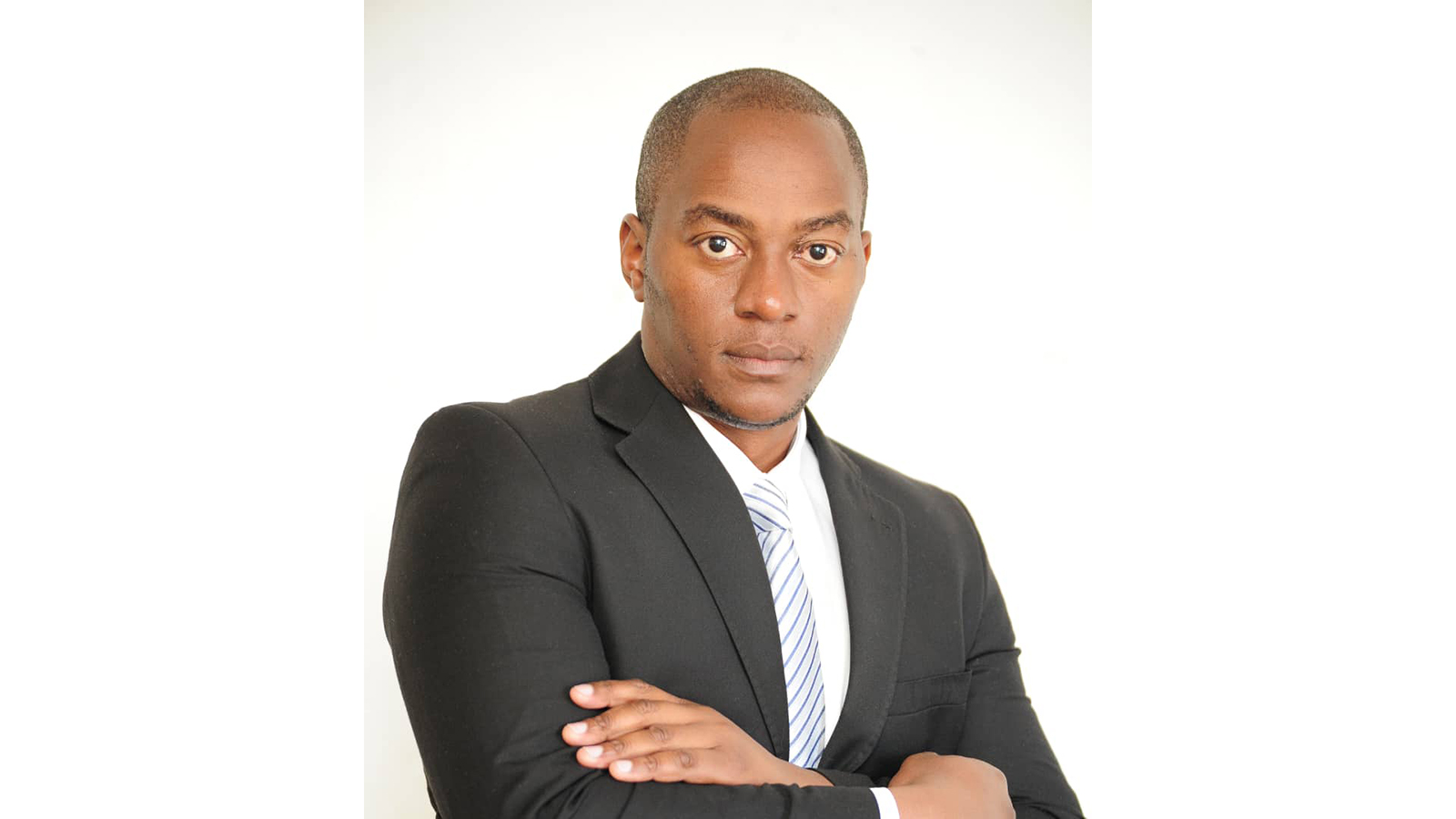
adminIN the midst of the madness that characterised the staging of the Zifa elections last Saturday, a significant development in the history of the national game took place at the Zifa Village in Mt Hampden as one of football’s longest-serving and loyal administrators Ndumiso Emmanuel Gumede bade farewell to the sport.
Gumede, an actor, teacher by profession and comedian, officially announced his retirement and told a packed Zifa General Assembly that he was leaving the association after deciding not to seek re-election as the soccer mother body’s vice president.
Despite spirited efforts for him to stay on for another term, the 68-year-old Gumede stuck to his decision and the General Assembly that was to be divided later when it came to election time stood united and unanimously conferred the former Highlanders chairman with Honorary Zifa membership.
Herald Deputy Sports Editor Petros Kausiyo (PK) caught up with Gumede and the administrator, touted the best brains in the domestic game of his generation, spoke about a colourful and at times bumpy journey that started when he was a teacher at Highfield Secondary School in Harare and Mzilikazi in Bulawayo.
PC: What is the feeling like having to leave football which had been a fabric of your everyday life?
Ndumiso Gumede (NG): The long and short of it is I still have not completely left the game. There are a few things that remain which tie a little closer to the sport and these include the fact that I am one of the six persons trained by Fifa and Interpol on match-fixing and who could train people on how match-fixing works if asked to.
Technically, I am still the acting chairperson of the referees committee until they appoint a new person. I am also still on the Caf appeals committee until 2015 but yes I am no longer involved in mainstream administration and now, unlike in the past when I always bounced back, I think it is time up for Yours Truly and it is time for me to rest.
Of course, the infighting in football has been one of the low points and regrettably on the social side I was twice married and twice divorced and part of the causative factors to that was the inordinate time I spent in football.
PK: How did your involvement in football start?
NG: From 1974 when I got into the top-flight football as Highlanders’ representative in Salisbury my passion for the game just grew. I was teaching at Highfield Secondary School and I was also a sports master. I taught and coached such legends like Oliver Kateya and Shacky Tauro. Being a sports master also meant that my weekends were dedicated to sport and when I was transferred to Mzilikazi Secondary School I continued with my passion and I also coached the school team.
PK: How did you become Highlanders chairman then?
NG: It was in 1978 when I got promoted to become the Highlanders chairman. That year the club had rebelled against the John Madzima-led national executive over the way the championship had been won by Dynamos. Highlanders then led the formation of the South Zone league whose leadership comprised of the likes of Silas Ndlovu, Land Cart Gumbo and Douglas Mkwananzi who was my predecessor at the club.
But things didn’t go well in the South Zone because Highlanders were far above their opponents and kept on winning everything and the patronage we enjoyed quickly dwindled because people wanted real competition. In 1979 the Dynamos leadership approached us and said let us normalise the situation and we said polarisation did not take football very far so we came together and spearheaded the formation of the Super League which had six teams from the Northern Zone and six from the South.
PK: Is this how you got into Zifa?
NG: No . . . it was at the end of 1980, I got a call from a guy called Jokonya who was in the Ministry of Sport and Vice President Mujuru who was known as Joice Teurai Ropa was the Minister then. Jokonya told me that I had been nominated to be on the interim Zifa leadership led by Moroni Mushambadope.
Mushambadope didn’t last long and was replaced by Nelson Chirwa and on that committee we had the likes of Peter Nemapare (secretary-general) Mkwananzi (vice-chairman) Moosa Ismail (fixtures-secretary) and Clifford Chiripamberi and myself were committee members.
I must also point out that when I finished college at Gweru Teachers College I qualified as a referee under Larry Mortimer in 1968 and Godfrey Kandawasvika and Paul Pretorious were our tutors. I got promoted to be a Class Three referee.
Regrettably for me I was phased out of Zifa in 1983 on the claims that there had been too many Ndebeles on the Zifa committee yet it was just Mkwananzi and myself and they said one of you must leave and I was to be replaced by Gibson Homela.
PK: How much of an impact did that shock decision have on your career?
NG: I was so disgusted that I went to join the Highlanders Basketball Club and became its chairman and I didn’t want anything to do with football. But running Highlanders Football Club is not an easy task and Malcolm King who was the chairman stepped down at the end of 1984 and people started asking that I become chairman again.
I turned down all those requests and the petitions that came my way. But one day in early 1985, I got a call from Joshua Mqabuko Nkomo (who was later to become State Vice President) to come to his house and he asked who I was to decline calls by people to lead football and he said I had no choice but to accept to be Highlanders chairman.
PK: How did Bosso do under your leadership?
NG: In 1986 we won everything that was on offer except the league title. But I must hasten to add that in 1987 there were big problems at Zifa and Trevor Carelse-Juul was the chairman. The problems caused the Zifa patron and former President Canaan Banana to go around looking for names that people wanted to lead Zifa and the people demanded that Chirwa should be chairman and I was to be vice-chairman while Julius Chifokoyo was secretary.
When Chifokoyo was recalled by CAPS Holdings to return and lead CAPS United I doubled as secretary-general before being elected into that post the following year. In 1991, I did not seek re-election and I followed my wife to Botswana where I worked with Lawrence Phiri (former Highlanders player and coach) at Notwane FC.
PK: You returned to the Zifa trenches again in 1998 what happened?
NG: Lazarus Mhurushomana first called me and said that Zimbabwe football was in turmoil and they needed my services. They then sent Vincent Pamire to Botswana to entice me to come back and in May that year I returned and became secretary-general and later Zifa’s first chief executive officer.
Somehow some people were not happy with me being CEO and they brought in Cliff McIlwaine, later on Edgar Rodgers then Charles Nhemachena. In 2004 there was a tumultuous Zifa election where Rafik Khan pipped Pamire and earlier on Leo Mugabe had been booted out through a no confidence vote.
Khan’s executive, for which Cuthbert Dube was board member finance, said they were not comfortable with my presence at Zifa and I opted to step aside and they were supposed to pay a total of Z$16 million for my package but I never got a cent up to now.
PK: Yours has been an on-off romance with Zifa, how did you bounce back in 2010.
NG: Early in 2010, Pamire came knocking on my door again and said there were plans to have a new board to run Zifa and I was being touted for vice-president and when the elections were held I was voted in.
PK: What did you make of the different leaderships under which you served at Zifa?
NG: With no disrespect to my friend and colleague Cuthbert Dube and the difficult time he worked under, I think the Chirwa committee was the best one I worked on because that committee worked so coherently and you could almost read into each other’s thoughts.
Under Dube some of the guys we had on that board did not have the vision that Dube had and regrettably at some point the tribal issue reared its ugly head again and we had some accusing Benedict Moyo and Gumede of tribalism even when we had a big board drawn from other centres of the country.
PK: What needs to be done about the polarisation in the game?
NG: I really don’t know what could be done but what I know for sure is that there is a third force which deems the football constituency too significant to be ignored and they keep throwing spanners into the work.
Our economy is also just not right at the moment and it seems to relate to the political pressures but it is not football alone that is struggling for sponsorship, cricket which seemed to be a darling of the corporate world, is reeling under difficult times.
I hope that the new board will quickly get down to prioritising their responsibilities. Development is critical and if we can also give more support to Women’s football it will be a quicker route to the World Cup and we can get recognition from there and leverage on the presence of Rosemary Mugadza’s team at a World Cup.
An all stakeholders meeting must be held, and a strategic planning seminar should be convened soon so that we all put our heads together. Only small minds will keep trying to fight Dube and his board at the expense of development of our football.
We are also extremely happy that His Excellency President Mugabe heeded our advocacy on establishing an independent Ministry of Sport but having said that if the Ministry gets a pittance from Treasury it will not be enough for sport development let alone football as the biggest sport.


 Online Reporter