admin
admin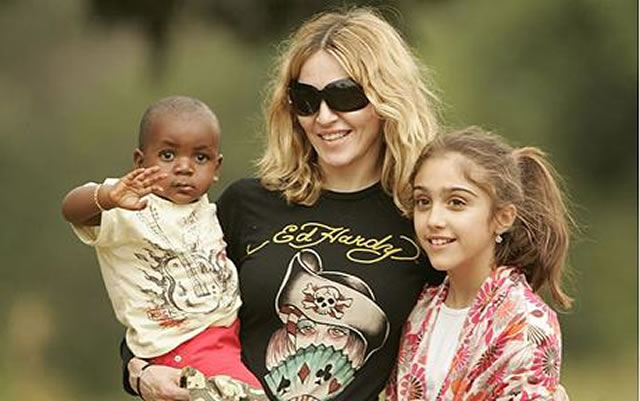

Vaidah Mashangwa
QUITE a number of childless couples due to involuntary sterility may opt to adopt children. Some couples due to infertility are unable to bear more than one child and in a bid to find a sibling for that child may also decide to adopt. This subject seems to be sacred yet in reality many couples are adopting children silently and as such very little research has been done on the subject. However, childless couples can have an enriching and fulfilling parenthood by adopting a child.
It is estimated that more than 50,000 newly married couples in America for example are faced with the problem of infertility. What is more painful is that at times couples may plan to delay parenthood on the onset of their marriage but later on when they are ready only to discover that they cannot due to low fertility or infertility.
A study of direct placement concluded that the best adjustment and physical development of babies comes when they are adopted from the hospital at the age of three to 10. This ensures that the children get all the affection and love, which all children need.
Adoptions today are arranged by a physician, attorney or other persons who by-pass the child placement agencies. In some states this is arranged through the grey market and the black market.
Throughout history, the cause of a sterile marriage has always been on the wife or woman. Usually this forces the wife to seek medical attention on her own and at times without any success. Modern research has, however, revealed that both the husband and the wife may show signs of infertility.
Actually a third of the causative factors of infertility are in the husband. Quite a number of women who resort to artificial insemination by a donor other than the husband become pregnant.
In most cases though some young couples prefer artificial insemination with the husband as the donor. While some couples find it desirable to adopt children, some find it difficult bearing in mind that the woman will not experience pregnancy and birth in relation to the child. In some instances it may be very difficult for the adoptive father to assume his new role as well.
Some adoptive parents may also automatically behave differently to their own children and to their adopted children. On the other hand, the adopted child may also want to meet his or her real parents especially at adolescent stage.
Some children who are usually available for adoption are children born out of wedlock and some fear that they may have behavioural problems as they were conceived by mothers whose family and personal life may be problematic. Research revealed that pregnancy stress whether physical, emotional or both can have a negative effect even during the time when the baby is conceived.
Apart from that, society generally disapproves of adoption and illegitimacy. Adoption families therefore constitute the minority group. Marriage counsellors also pointed out that couples can only adopt a child if they in a stable and happy marriage.
Children need protection against being placed with adoptive parents whose search for a child is an attempt to escape from their problems. If couples have children already then both children’s needs have to be and should treat the adopted children in the same manner they treat their own children.
All adoption legal regulations have to be followed once a couple decides to adopt a child. There are cases when the natural mother tries to claim back the child whom she gave up for adoption several years previously. Some judges tend to place more importance to the wishes of the natural mother and in some cases foster parents are ordered to relinquish the child after having brought the child up since its birth. The adoptive parents should therefore secure the status of the child.
It must be understood though that quite a number of potential problems are associated with being parents of adopted children. They ought to tell the child about his origin and at the same time act as if everything is normal and as if they are his or her normal parents. In cases where the adoptive parents choose to keep quiet, this brings sorrow and shock to the child later in life when he or she learns that he or she was adopted.
The earlier the child learns about his or her position the better as he or she grows to accept and lives with it from the beginning.
There are some people who actually adopt children of a different race for example Madonna adopted a baby boy from Malawi named David Banda in 2006 and Mercy Chifundo in 2009.
In cases where parents adopt a child of another race or nationality, the physical appearances may become so apparent to the adopted child and there might be no need for explanations.
It is also common for some parents to overdo the explanations of how they chose the adopted child over other children in a bid to impress the child. This must be avoided as this might upset the child and he or she may feel insecure. The child should naturally fit into the new family with ease.
If explanations are not given for naturally born children why should it be overemphasised for adopted children? As the adopted child grows older questions may arise about his or her own parents and this might bring negative feelings about his or her upbringing. The adoptive parents must be open and respond to any questions that the child asks.
This calls for open communication and making the most out of the adoption. While this may not seem to be the best solution to a childless couple it may bring joy to them if the adoption is done in consentient.
• Vaidah Mashangwa is the Provincial Development Officer Ministry of Women Affairs, Gender and Community Development Bulawayo. She can be contacted on 0772111592, email [email protected].


 Online Reporter