

 admin
admin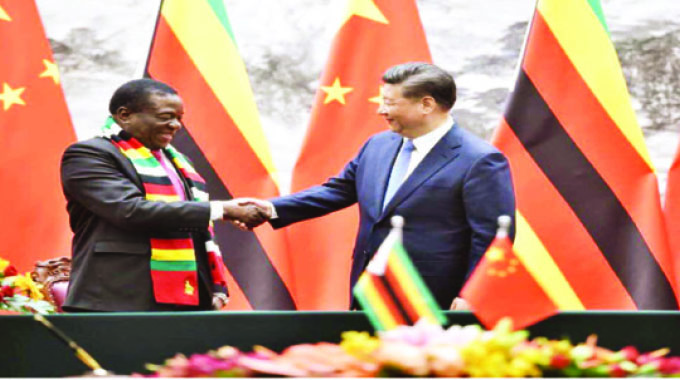
Overview by Minister Frederick Shava
The advent of the Second Republic created a strategic opportunity for the Ministry of Foreign Affairs and International Trade to galvanise economic, commercial and Diaspora diplomacy in support of His Excellency President Mnangagwa’s Vision of a prosperous and empowered upper middle-income society by 2030.
For the past five years, my Ministry has achieved some of its national priority areas under the National Development Strategy 1(NDS 1). It delivered to the nation an improved country image, improved international relations, and increased earnings from exports of goods and services as well as enhancing service delivery to the Ministry’s clients.
The Ministry has been vigorously pursuing the foreign policy of affirmation, engagement and re-engagement as articulated by the President when he took office in November 2017, in order to achieve its mandate.
I believe we attained outstanding milestones along our trajectory of further strengthening existing relationships, rebuilding broken relationships and that of establishing new relationships. We have a strong conviction that this multifaceted process has gathered us enough traction to warrant not only its active continuation, but also further impetus and acceleration.
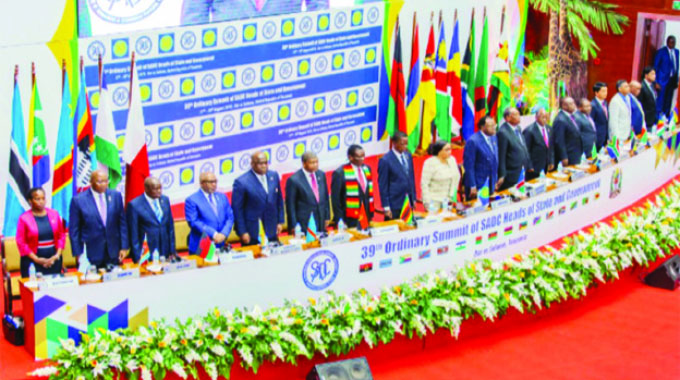
As a member of COMESA, SADC, the African Union and the United Nations, among others, we also contributed towards security, peace and inclusivity among nations. Zimbabwe is a friendly, peaceful and welcoming country as enshrined in our culture. Our regional goals always resonate with those of SADC, the AU at continental level and those of the UN at an international level.
The Ministry is also leading in making sure that Zimbabwe takes full advantage of preferences and opportunities availed by the way of our membership to the Trade Agreements under SADC, COMESA, Tripartite Free Trade Area, African Continental Free Trade Area, ACP-EU and the World Trade Organisation in order to significantly boost our trade beyond the current levels.
The Ministry of Foreign Affairs and International Trade is privileged to serve as the implementer of the country’s foreign policy under the guidance and direction of His Excellency President Mnangagwa. The Ministry is able to fulfil its mandate, because of the peaceful environment that exists in our country and the support it receives from all of you our stakeholders.
I encourage our stakeholders to go through this edition focusing on the work of the Ministry of Foreign Affairs and International Trade, so that they understand our work, engage with us and develop our country together. We strive to leave no one and no place behind.
I thank you!
Regional achievements
The Ministry’s focus is primarily to enhance good relations and a peaceful environment with our neighbours. This goal has seen Zimbabwe assuming the Chairpersonship of the SADC Organ on Politics, Defence and Security Cooperation in 2019. As the chair of the SADC Organ on Politics, Defence and Security Cooperation, President Mnangagwa provided direction in the promotion of peace and security in the SADC region.
Under President Mnangagwa’s Chairmanship, SADC agreed to assist Mozambique to fight terrorism. Zimbabwe pledged to train Mozambican forces.
Zimbabwe continues to play a leading role in fostering peace and security in various ways, including mediation, monitoring, and training programmes.
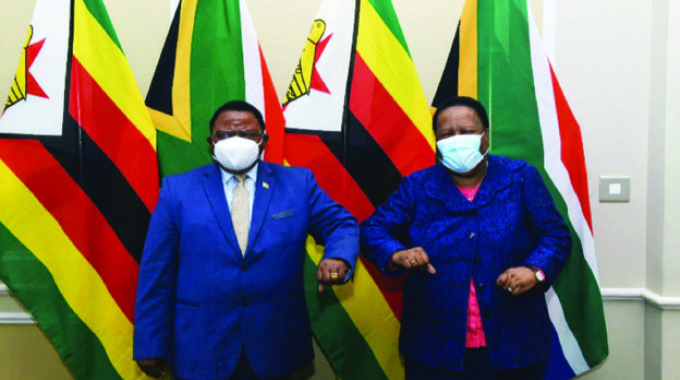
Donation of grain to Mozambique
Through the Ministry, Zimbabwe joined other SADC Member States in providing aid aimed at rebuilding infrastructure and restoring public services in Cabo Delgado Province, Mozambique, which has been experiencing conflict since 2017. In February 2022, the President donated 1 000 tonnes of maize to Mozambique’s President Filipe Nyusi to support efforts to fight extremists and alleviate the humanitarian crisis.
SADC Zimbabwe Anti-Sanctions Day
In 2019, through the Ministry’s engagement and its fight against the illegal sanctions, Zimbabwe managed to present its case to SADC, resulting in Member States adopting October 25 as solidarity day against the illegal sanctions imposed on Zimbabwe. SADC Member States unanimously agreed to conduct various activities in their respective countries to call for the immediate removal of the illegal sanctions.
Reaffirming Zimbabwe’s bilateral relations within Africa
Under the Second Republic, the Ministry, in its capacity as coordinator of Bi-National Commissions (BNC) and Joint Permanent Commissions on Cooperation (JPCCs), has facilitated the hosting by Zimbabwe of the inaugural BNC session with Botswana and three BNCs with South Africa.
Zimbabwe also held JPCCs with Tanzania, Malawi, Mozambique, Rwanda, Namibia, Zambia and Kenya.
The sessions saw the country signing many agreements aimed at further cementing brotherly relations with fellow African countries.
Solidifying relations with our friends from the East
The Ministry has continued with President Mnangagwa’s calls that “Zimbabwe is Open for Business” and is “A friend of All, Enemy of None”. Zimbabwe is making concerted efforts to find new markets and sources of investment across the whole world. The development and further consolidation of Zimbabwe’s relations with countries from Asia and the Pacific is in sync with Zimbabwe’s Vision 2030.
The President’s 2018 State visit to China resulted in the upgrading of relations between the two countries to Comprehensive Strategic Partnership.
Trade between the two countries increased by US$430 million, translating to 65 percent. Zimbabwe’s exports to China increased by 137 percent in 2022.
The growth in diplomatic relations between China and Zimbabwe saw the Chinese agreeing to expand the Hwange 7 and 8 Thermal Power Station projects expected to ease power shortage in the country by adding more than 600MW into the national power grid by 2023.
Our diplomatic endeavours also resulted in the Chinese Government agreeing to upgrade the Robert Gabriel Mugabe International Airport to boost its annual passenger handling capacity to six million from the current 2,5 million.
Expansion of Robert Gabriel Mugabe International Airport
China also funded the construction of the Victoria Falls International Airport.
Further, in 2018 China agreed to construct for Zimbabwe the New Parliament Building in Mt Hampden, about 18km northwest of Harare, and the project is now complete.
Other diplomatic achievements of note include the construction of the National Pharmaceutical Warehouse (NatPharm) in Harare, which is also being done by China, among others.
China has also channelled support towards projects of its own choice, mainly in the form of humanitarian assistance (rice donations for vulnerable communities, borehole drilling, reconstruction of infrastructure damaged by Cyclone Idai, dispatch of medical teams and materials to combat the spread of Covid-19). To date, China has donated vaccines, personal protective equipment (PPEs), medical equipment and various accessories to support Zimbabwe’s efforts in fighting the Covid-19 pandemic.
Engagement and re-engagement drive
The President undertook official visits to Russia, Belarus, Azerbaijan and Kazakhstan in 2019 that culminated in the exponential increase of cooperation, especially with Russia and Belarus. The visits to Azerbaijan and Kazakhstan were aimed at opening up new frontiers of cooperation.
The Ministry held the 3rd and 4th Sessions of the Zimbabwe-Russia Inter-Governmental Commissions in 2019 and 2022, respectively, where a number of Memoranda of Understanding and Agreements were signed. Zimbabwe received Covid-19 vaccines from Russia. A number of high-level exchanges of visits took place between Zimbabwe and Belarus. The Second Republic facilitated the opening of the Belarus Embassy in Harare in February 2022.
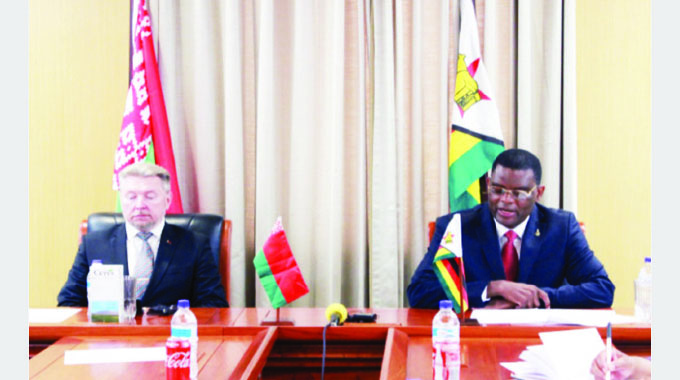
One of the biggest achievements by the Second Republic’s re-engagement drive was the visit to the United Kingdom by the President in November 2021 to attend the COP26 Climate Change Summit. This was the first visit to the UK by a Zimbabwean Head of State in over 25 years.
The President interacted with then Prime Minister Boris Johnson, and also met the Minister for Africa in the Foreign Commonwealth, and Development Office Victoria Ford.
Foreign Affairs and International Trade Minister Ambassador Shava, also undertook engagement and re-engagement missions to France, Belgium, Italy and Serbia in 2021 and to the UK in 2022.
During those visits, the Minister engaged his counterparts and officials in the respective countries, as well as met representatives of the Business sector that expressed interest in investing in Zimbabwe.
Minister Shava attended the 3rd Turkey-Africa Partnership Summit in 2021. It may be recalled that the Second Republic opened an Embassy in Turkey in 2019 as part of the ongoing engagement drive.
Regarding reengagements with key constituent countries in Europe, it may also be recalled that Zimbabwe hosted senior government officials from the UK (Ms Sophia Willits-King-Head of Southern Africa in the UK Foreign, Commonwealth and Development Office), Sweden (Ms Irina Schoulgin-Nyoni, deputy director general in the Swedish Ministry of Foreign Affairs) and France (Ms Nadia Fanton, head of Southern Africa and the Indian Ocean in the French Ministry of Foreign Affairs).
Highlights of achievements at continental level
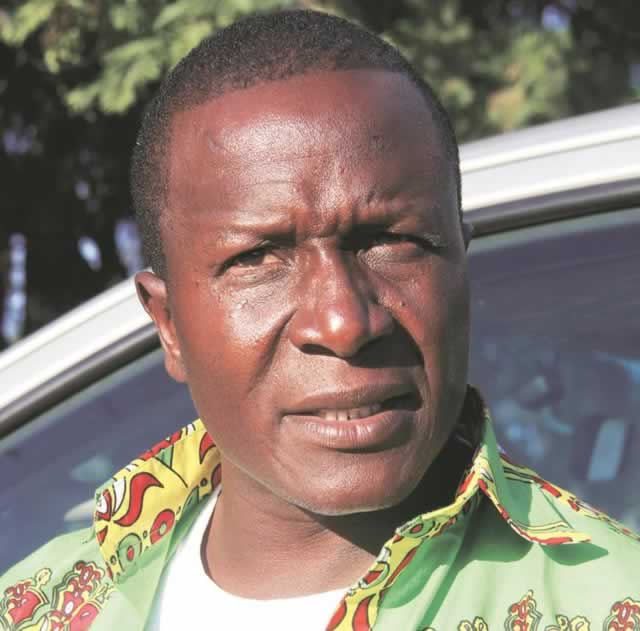
The Ministry is at the forefront of promoting Zimbabwe’s interests at the continental level. Recently, the Ministry facilitated Chief Charumbira’s campaign and his subsequent election on June 29, 2022 as President of the Pan-African Parliament.
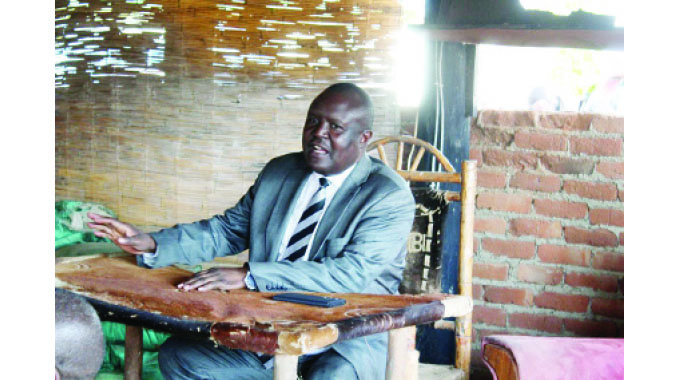
That was a major milestone, not only for Zimbabwe, but the whole SADC region as well.
The Ministry coordinated the launch of the Africa Fact book and Mobile Museum of the African Union by the African Institute of Knowledge (INSTAK) on September 9, 2020. The Ministry is working with INSTAK to publicise the Museum of African Liberation to Africa.
Construction of the Museum of African Liberation has commenced in Harare
The Ministry has also facilitated the hosting of the Shelter Afrique Annual General Meeting (AGM) in Victoria Falls from July 25 to 30, 2022. The event will draw hundreds of participants from across Africa.
Amplifying Zimbabwe’s voice in the multilateral sphere
The Ministry also has major achievements in multilateral spheres. At the height of the Covid-19 pandemic, the Ministry of Foreign Affairs and International Trade facilitated the receipt of donations of vaccines, personal protective equipment (PPEs) and medical consumables from bilateral and development partners, including the People’s Republic of China, the Russian Federation, India, Serbia and the COVAX facility, among other well-wishers.
These efforts significantly contributed to the effective management of the pandemic in the country. The Ministry also convened monthly briefings with members of the diplomatic corps and development partners to garner support for the Government’s fight against the Covid-19 pandemic, and to seek humanitarian assistance for the communities affected by Cyclone Idai and the El-Nino-induced droughts. The Ministry coordinated the receipt of humanitarian assistance for the communities that were affected by the March 2019 Cyclone Idai.
Reengagement with the EU
Since the advent of the Second Republic, the Government has held four Article 8 Political Dialogue sessions with the European Union (EU). The political dialogue sessions have provided an important platform for Zimbabwe and the EU to exchange views on pertinent issues, and to explore new frontiers of cooperation. Furthermore, the political dialogue seeks to enhance greater understanding between the two parties, whose relations turned sour after Zimbabwe implemented its Land Reform Programme in 2000, which subsequently led to the imposition of sanctions by the EU in 2002.
The Article 8 Political Dialogue was launched on June 5, 2019, and it was co-chaired by the Secretary for Foreign Affairs and International Trade and the EU Head of Delegation to Zimbabwe, Ambassador Timo Olkkonen. Subsequent sessions were held on November 22, 2019, June 10, 2021, and June 7, 2022.
The launch of the political dialogue demonstrated Zimbabwe’s commitment to its engagement and re-engagement agenda, following years of isolation by Western countries, and the international community’s readiness to accept Zimbabwe’s initiative. As a result of the engagement and re-engagement agenda, Zimbabwe has witnessed an increase in high-level visits and engagements with the EU.
In addition, Zimbabwe has witnessed a progressive reduction of the EU sanctions imposed against Zimbabwe. To date, all the individuals and companies that were on the EU sanctions list have been removed, except the arms embargo on the Zimbabwe Defence Industries. Zimbabwe continues to call for the removal of the arms embargo to enable the country to participate effectively in the maintenance of international peace and security.
As part of its re-engagement agenda, Zimbabwe expressed interest to join the Commonwealth in May 2018. Following this expression of interest, the Secretary-General of the Commonwealth, Baroness Patricia Scotland, QC, deployed two assessment missions to Zimbabwe in June 2018 and July 2019, respectively, to gain an appreciation of the functioning of democracy in Zimbabwe, and the extent to which it aligned to the Commonwealth’s fundamental political values.
High-level consultations have taken place between the President and the Secretary-General of the Commonwealth, to explore ways of facilitating Zimbabwe’s re-entry into the Commonwealth.
Advancing international cooperation
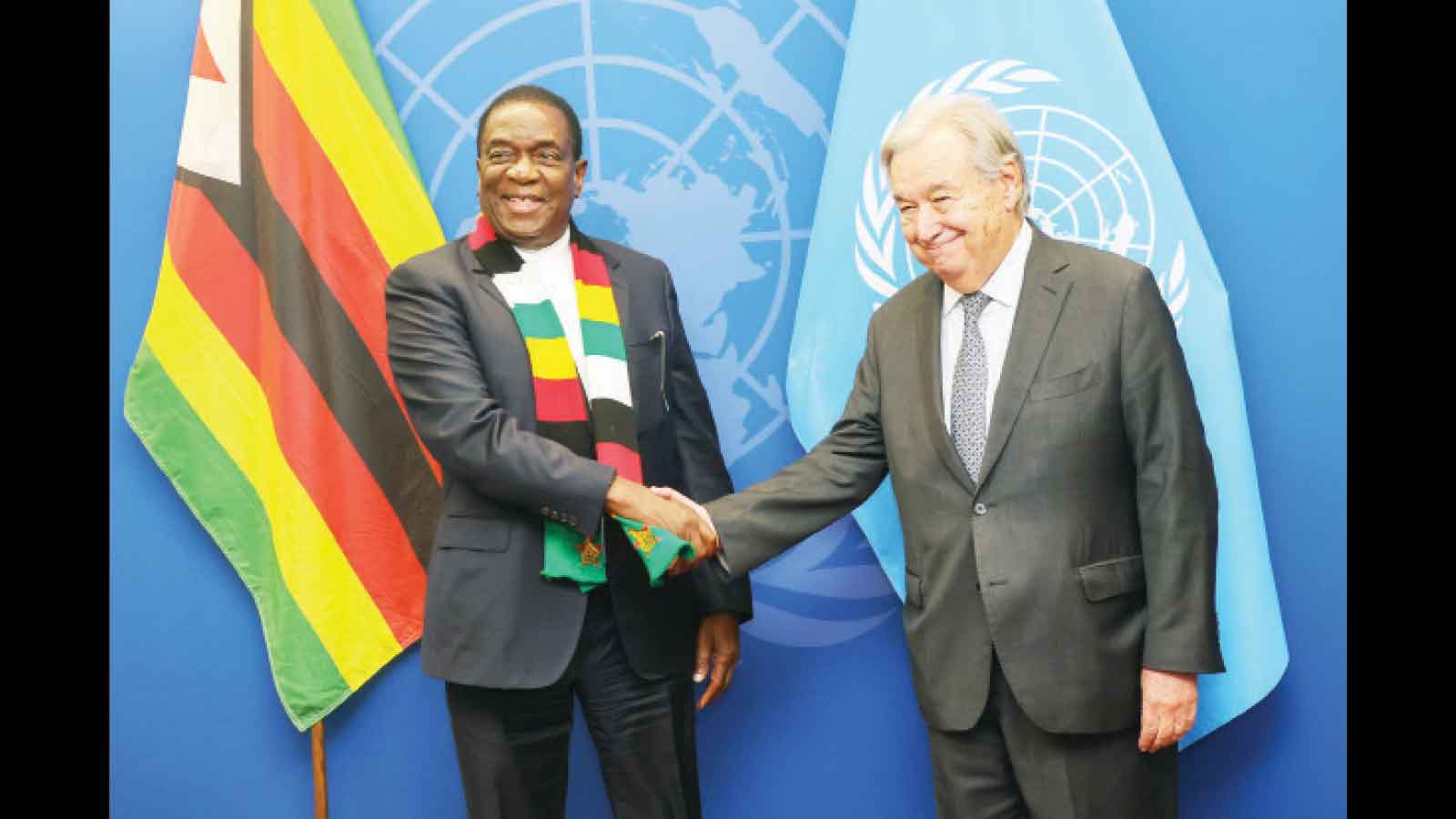
The Ministry spearheaded active engagement with UN organs in Harare. It coordinated Zimbabwe’s participation at various international for a, such as the United Nations General Assembly sessions, the 26th Session of the Conference of Parties (COP26) to the United Nations General Assembly in Glasgow, Scotland in November 2021, the 2021 UN Food Systems Summit, the 2021 Global Covid-19 Summit, platforms which enabled Zimbabwe to add its voice to issues of concern among the community of nations, and call for the removal of sanctions imposed on Zimbabwe.
Following the Government’s invitation in November 2018, to six UN Special Procedures mandate holders to visit Zimbabwe, the Ministry subsequently facilitated visits by the Special Rapporteur on the rights to freedom of peaceful assembly and of association, Mr Clément Nyaletsossi Voule, in 2019; the Special Rapporteur on the right to food, Ms Hilal Elver, in November 2019; and the Special Rapporteur on the negative impact of unilateral coercive measures on the enjoyment of human rights, Ms Alena Douhan, in 2021.
The Ministry played its part in pushing the political, economic, legislative and electoral reform agenda, thereby contributing to the adoption by the UN Human Rights Council, of the Third Universal Periodic Review (UPR) outcome report in July 2022, in fulfilment of Zimbabwe’s reporting obligations to the UN.
The Ministry has been consistent in condemning economic sanctions such that the debate on unilateral coercive measures has intensified and is gaining traction. Zimbabwe joined the Group of Friends in Defence of the Charter of the United Nations on October 12, 2022, a consultative platform of like-minded countries to preserve, promote and defend the UN Charter and multilateralism, and seek solutions to common challenges.
Service delivery to stakeholders
The Ministry’s major achievement in service delivery under the Second Republic include the opening of provincial offices in Victoria Falls, Matabeleland North Province and Bulawayo Metropolitan Province in line with the President’s devolution policy.
These offices handle protocol, consular, investment, trade and tourism issues, in collaboration with relevant agencies and Government departments in the said provinces. The offices have been playing critical roles in provision of protocol services at various local and international conferences that are held in Victoria Falls and Bulawayo.
The Ministry also played critical roles in the area of capacity building. Several training programmes in protocol have been conducted for several line ministries and Government departments, parastatals, and Independent Commissions such as the Zimbabwe Electoral Commission, Zimbabwe Anti-Corruption Commission, the National Peace and Reconciliation Commission and the Judicial Service Commission, to mention a few.
The Ministry successfully conducted mobile Civil Registry document registration in South Africa, Botswana and Ireland. In South Africa, where the largest number of our Diaspora are, the exercise saw the Consulate offering mobile consular service in provinces of KwaZulu Natal, Limpopo, Mpumalanga, North West and Free State to over 5 000 Zimbabweans.
In Botswana, a similar exercise was conducted in Francistown, Selebi Phikwe, Palyape and Mahalape with over 1 500 getting assistance in processing of passports, birth certificates, temporary travel documents and non-marriage certificates, among others.
The Ministry facilitated the return of victims of human trafficking from Kuwait and Oman. It also facilitated the travel of essential services personnel into and out of the country during the Covid-19 lockdown period. For the period September 2021 to February 2022, the Ministry has managed to successfully clear more than 3 000 requests for passage.
Conclusion
In conclusion, with regard to reaffirmation and engagement, our traditional, long-standing partners remain predominant in terms of both trade and investment flows. We will continue to further strengthen and deepen those ties. Regarding re-engagement, the rebuilding of broken or interrupted relationships was never envisaged as an event. It is a process. An immediate breakthrough of relations with the US, the UK and the EU more broadly, even after the transition of November 2017, was never envisioned as a certainty. However, such a breakthrough remains a key objective of our overall re-engagement strategy. Several setbacks, notwithstanding, progress has been made.
Whereas, prior to the New Dispensation, there was little engagement beyond two-way megaphone diplomacy between Harare and most Western capitals, there is, currently, ongoing constructive dialogue with all of them, including the US, the UK and Brussels.
While we continue to differ on a number of issues, most specifically on the continued imposition of illegal economic sanctions, we are talking to one another rather than at each other. Above all, the atmosphere is positive and the prospects for further progress and improvement remain promising.
◆ Coordinated and edited by Elliot Ziwira, The Herald.


 Online Reporter
 dyton mupawaenda