malvernmugadzikwa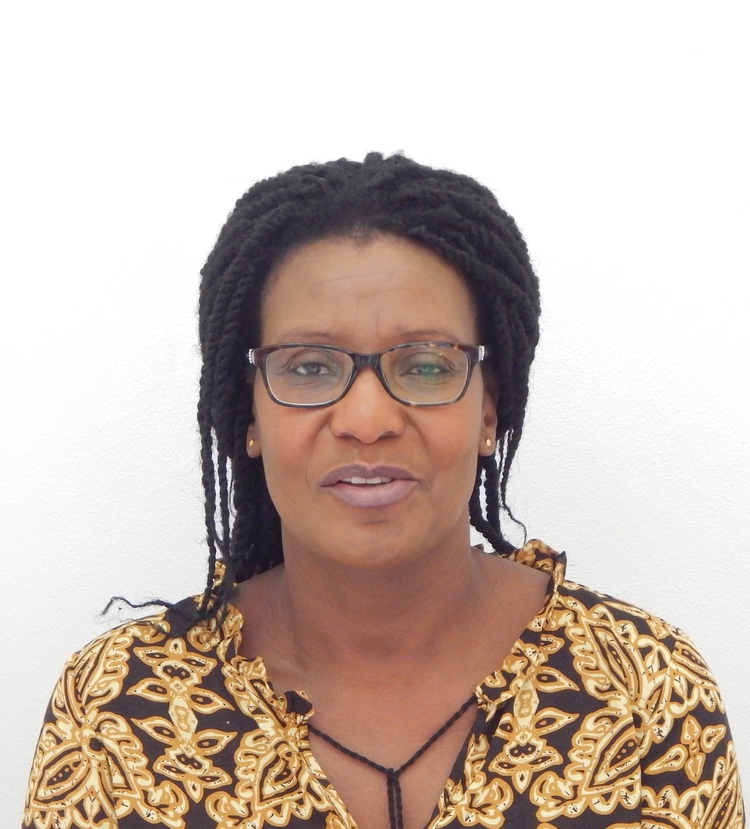
Disability Issues
Dr Christine Peta
THIS week we focus on girls with disabilities.
Zimbabwe joined the rest of the world in commemorating the International Day of the Girl Child on October 11.
Research has indicated that some girls with disabilities who use wheelchairs face challenges regarding access to physical infrastructure.
In instances where doors are not wide enough for a wheelchair to enter and exit, boys are often assigned the role of carrying girls with disabilities who use wheelchairs in and out of spaces, including toilets.
This violation of the right of girls with disabilities to access physical infrastructure independently can create opportunities for abuse.
Some mischievous boys may see this as a chance to touch girls inappropriately, taking advantage of the
situation.
The National Disability Policy of Zimbabwe (NDP) mandates the compulsory adoption of the principle of universal design in the construction of new physical infrastructure and the refurbishment of existing infrastructure.
Universal design means “the design of products, environments, programmes and services to be usable by all people, to the greatest extent possible, without the need for adaptation or specialised design.”
Investigations also indicate that some teenage girls with disabilities report difficulties accessing information, including through television programmes.
On some media programmes, the presenter may say, “If you need more information about HIV testing, contact us on the telephone numbers that are written below, or visit the physical address that is written below,” inadvertently forgetting that there are teenage girls who are blind and may not be able to see the printed contact details.
Television networks, radio, the internet, signage, public address systems and telephones, among numerous other communication media across the world, are generally oriented towards persons who can see and hear, resulting in the proliferation of media that are inaccessible to persons with disabilities.
The NDP addresses the issue of access to information and communications, providing appropriate forms of assistance and support to persons with disabilities to ensure their access to information and full participation in all aspects of life.
Some girls with disabilities report challenges regarding access to education, in a context where some families prioritise the education of boys and hold the fallacious belief that the lives of girls with disabilities will amount to nothing,
making education seem unnecessary.
The negative impact of the traditional male child preference syndrome can also negatively affect the education of girls with disabilities.
Such practices can lead parents to look down on their daughters with disabilities, hindering their development. Inclusion in education can benefit girls with disabilities both in the short and long term, with some benefits manifesting later in life.
Girls with disabilities also report challenges related to healthcare issues.
For example, some parents take their daughters with disabilities to healthcare facilities and ask healthcare staff to sterilise the girls, fearing that they will get pregnant and bring additional burdens to their parents.
The NDP directs that healthcare decisions, including in the area of sexual and reproductive health, must not be imposed on girls with disabilities, and their individual consent must not be replaced or substituted by a third
party.
Some people assume that disability erases all the other attributes of a girl with disabilities, leaving her with no right to anything. The reality is that disability does not make a girl with
disabilities less of a girl.
In commemorating the International Day of the Girl Child, let us all join hands and promote the rights of girls with disabilities across all facets of life.
Dr Christine Peta is a disability, public health, policy, international development and research expert who is the national director of Disability Affairs in Zimbabwe. She can be contacted on: developafrica2020@ gmail.com



 Online Reporter