Chronicle Editor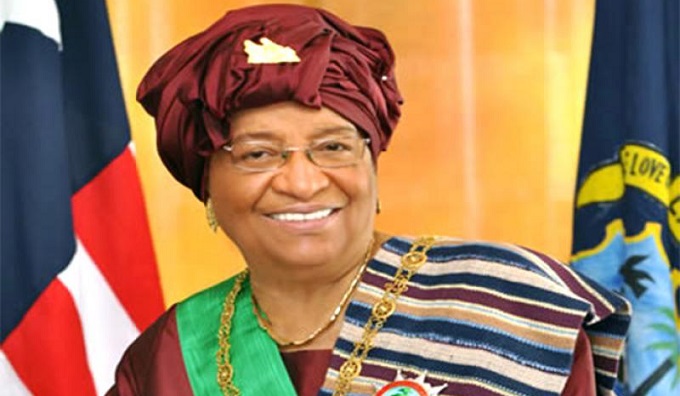
The Covid-19 pandemic has evolved into an unprecedented crisis that is heavily affecting the livelihoods, the socio-economic stability and the security of many families and communities in Africa.
The uncertainty, preventive and containment measures against the pandemic, have introduced profound disruptions that have had severe effects and posed unique challenges, particularly, to women and girls on the continent.
Indeed, like in many past crises, Covid-19 has shown that women and girls are disproportionally affected, often finding themselves at the forefront of fighting the pandemic, while playing little role in the responses to the disease.
Some of the challenges threaten to reverse the accumulated gains on gender equality and women empowerment.
To advance the strategies and actions against the existing and emerging threats caused by the pandemic, the African Women Leaders Network (AWLN) last week convened a virtual consultation to better understand the impact of Covid-19 on women in Africa, share their knowledge and undertakings to feed into scenario planning and orient responses at policy and action levels, now and in the recovery period.
The meeting brought together women sitting and former Heads of State and Government; ministers; the African Union (AU); United Nations (UN); development partners and civil societies; and the youth, who held extensive deliberations on the evolving nature of the effects of the pandemic on women and girls, but also rallied for more commitment to protect, promote and enhance gender equality and women empowerment. The meeting noted that the pandemic is aggravating poverty, inequalities and gender-based violence (GBV), while increasing vulnerability by impeding on people’s access to employment, food and other resources with particular effects on women and girls.
Addressing the meeting, Ellen Sirleaf Johnson, former president of the Republic of Liberia and the AWLN patron, underscored the critical role of women empowerment, reflecting on how the inclusion of women in leadership positions have enabled the dismantling of the silo mentality that hinders sustainable development on the continent. Sirleaf lauded the resilience of women during these uncertain times and called for the advancement of the gains and prioritisation of women rights during and post-pandemic.
“The resilience of women will take us forward today and what we want is to see women leadership become a new normal, not exceptional. We should all become the voice against inequality but also ensure the outcome of our meetings are integrated in the African Union and United Nations practices and actions”, she observed.
President Sahle-Work Zewde, President of the Federal Democratic Republic of Ethiopia and AWLN pioneer cautioned against the restructuring of commitments for women empowerment. She stated, “lockdowns have put more women at risk. We must remain vigilant that Covid-19 is not used as an excuse to restructure and under-prioritise the programmes and projects earmarked for women, now and post-crisis.”
Speaking on behalf of the AU Commission Chairperson Moussa Faki, Deputy Chairperson Amb. Kwesi Quartey restated the commitment of the Union to protect and promote the rights of women adding that Agenda 2063 can only be realised with the full and meaningful inclusion of women and girls.
“Non-discrimination against women and girls has been restated during this Covid-19 crisis and we laud the AU Commission Directorate of Women and Gender Development for developing the Gender Responsive Responses which are key in ensuring the rights and interest women and girls are included in the fight against this pandemic now as we all as post the crisis”, he observed.
In a statement on behalf of the UN Deputy Secretary General Amina Mohammed, Special Representative of the Secretary-General to the AU, Hannah Tetteh, highlighted the concerns of the exploitation of the pandemic by oppressive regimes, to violate human rights and called on the authorities to protect the citizenry and especially women and girls who bear the heaviest brunt of such violations.
She noted, “this crisis has exposed how inequalities do not just harm women but the communities as a whole. There are opportunities in this moment to make information more accessible to women and explore opportunities to make the discussions more inclusive. Let us also have our eyes on the recovery plan to ensure the gains women have made are not reversed.”
A red flag was raised on the rise of the cases of gender based violence on women who are locked in homes, in conflict zones and Internally Displaced Persons (IDP) camps, which increased risk of intimate partner violence. Other consequences include the digital divide that have dire effects on education, potential of trafficking, child marriage, forced prostitution and sexual exploitation as quarantine and other social distancing measures impact economic and livelihood activities, as well as impede the delivery of basic humanitarian services.
The consultations discussed at length opportunities for scaling up of actions on gender equality and women’s empowerment and other key issues such as actions to address the projected rise in poverty levels, food security and supporting women in agriculture and agri-business; supporting frontline healthcare workers; securing the rights of women in governance and leadership with the 17 outstanding elections in 2020; addressing threats of abuse on online platforms and perpetuation of fake news; enhancing the role and inclusion of women in domestic and regional trade; young women’s leadership and measures to address and protect women and girls against sexual and gender based violence among other key issues.
Contributions were made by AWLN pioneer leaders amongst others, H.E. Jewel Howard Taylor, Vice-President of the Republic of Liberia; HE Dr Joyce Banda, Former President of Malawi; HE Ms Ameenah Gurib-Fakim, Former President of Mauritius; H.E. Catherine Samba-Panza, Former President of the Central African Republic; Amb. Raychelle Awour Omamo, Cabinet Secretary for Foreign Affairs (Kenya) and HE Michelle Müntefering, State Secretary, Ministry of Foreign Affairs (Germany). The meeting was also addressed by AU Commissioners, senior officials from the UN System; Amb. Rebecca Otengo, Chairperson of AWLN Group of Friends at the AUC; the African Union Youth Envoy and civil societies.
AWLN is an initiative of African women leaders with the support of the AU and the UN, under their institutional framework and has established twenty-five (25) national chapters around the continent. Its actions are focused on six priority pillars of governance, peace and security, finance, youth’s leadership, agriculture and social mobilisation.
The meeting was facilitated by AWLN conveners, Bineta Diop, AU Special Envoy on Women, Peace and Security and Dr. Phumzile Mlambo-Ngcuka, USG and UN Women Executive Director. — African Union


 Online Reporter