

 Online Reporter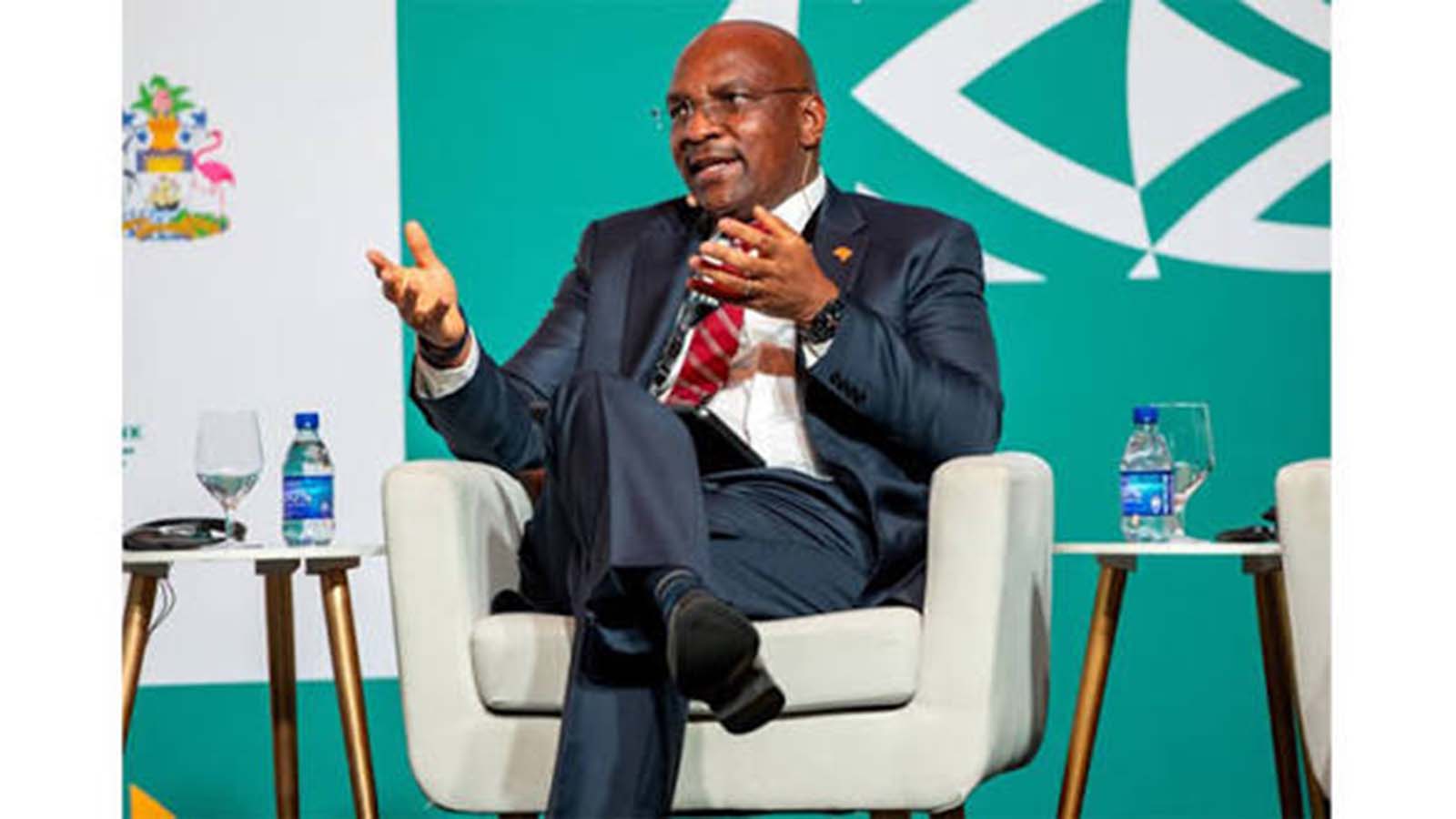
Kudzanai Sharara
Head Business Hub
Zimbabwe stands to benefit directly from a new US$3 billion African Export-Import Bank (Afreximbank) facility aimed at boosting intra-Africa fuel trading and reducing reliance on the Middle East, the bank’s senior executive vice president has revealed.
Speaking at a media briefing on Monday, Denys Denya said Afreximbank was working with Dangote to establish a tank farm at Walvis Bay in Namibia, which would allow Zimbabwe, Zambia and Botswana to access cheaper fuel delivered in under five days from Lagos.
Crucially for Zimbabwe, Mr Denya said the bank was procuring about 550 tankers for road transport and was actively exploring the construction of a pipeline connecting to Zimbabwe and Zambia.
In addition, he revealed that Afreximbank was in direct talks with Mutapa Investment Fund – Zimbabwe’s sovereign wealth fund – and other private sector players in the country to increase the capacity of the Beira–Msasa pipeline and extend it further to Zambia.
The development comes as Zimbabwe continues to grapple with foreign currency shortages for fuel imports and relies heavily on distant suppliers. A shorter, more reliable supply chain via Namibia and Mozambique could significantly reduce landed costs for Zimbabwean consumers.
Mr Denya also confirmed that Afreximbank had already seen uptake of its Gulf crisis response programme by East African countries including Kenya, Ethiopia and Tanzania. He warned that if the Middle East crisis was prolonged, the effects would be felt across the continent, including Southern Africa, and the US$10 billion facility could be used up quickly.
On the African Continental Free Trade Area (AfCFTA), Mr Denya said success depended on all stakeholders playing their part. He noted that significant infrastructure deficits remained in ports, roads, rail networks and power generation – challenges acutely familiar to Zimbabwe.
“The AfCFTA will be successful if Africa is trading finished goods,” he said, adding that the bank had established the Pan-African Payment and Settlement System to enable trade using local currencies, as well as a Fund for Export Development to provide patient capital to entrepreneurs.
For Zimbabwe, participation in these initiatives could ease pressure on the local currency and reduce transaction costs for cross-border traders who currently face high conversion fees.



