admin
admin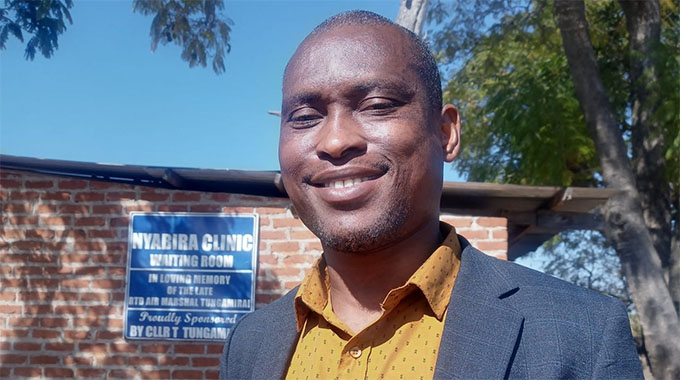
Phyllis Kachere Deputy News Editor (Convergence)
Zimbabwe has done exceptionally well in implementing the Saving Lives and Livelihoods Programme aimed at saving lives and livelihoods through economic recovery to millions in Africa following the hiatus caused by the Covid-19 pandemic, the national coordinator has said.
Speaking to journalists yesterday during a monitoring tour of programme sites in Mashonaland West, Africa CDC Saving Lives and Livelihoods Programme national coordinator Dr Charles Ibeneme their activities were aimed at increasing and generating uptake of Covid-19 vaccination and achieve the African Union’s goal to immunise at least 70 percent of the continent’s population.
The campaign is being carried out by the Health and Child Care Ministry and the Zimbabwe Red Cross Society (ZRCS) with support from Africa CDC Saving Lives and Livelihoods in partnership with MasterCard Foundation in Mashonaland West and Midlands provinces.
Although the World Health Organisation recently announced that Covid-19 was no longer a global health emergency, experts have warned that Covid-19 remains a threat to national health systems.
This initiative by the Africa CDC in partnership with the MasterCard Foundation targets to not only to generate Covid-19 vaccination uptake but invests in the country’s long term health security through integration of health services by training of health care workers and village health workers.
The tour coincided with Zimbabwe’s national vaccination week, thereby providing an opportunity for health services integration which Dr Ibeneme said the Saving Lives and Livelihoods programme advocates for.
“We are pushing for Covid-19 vaccination to be integrated into other health services in order barriers such as physical access and cost of delivery.
“We need to decentralise and integrate Covid-19 services into TB and HIV clinics and other non-communicable diseases,” said Dr Ibeneme.
He said the Saving Lives and Livelihoods initiative is a partnership between the MasterCard Foundation and Africa Centre for Disease Control and Prevention designed to save lives and livelihoods of millions of people in Africa and hasten the economic recovery of the continent in the wake of the Covid-19 pandemic.
“The initiative is acquiring vaccines for more than 65 million people, supporting the delivery of vaccinations to millions across the continent including Zimbabwe and laying the groundwork for vaccine manufacturing in Africa through a focus on human capital development.”
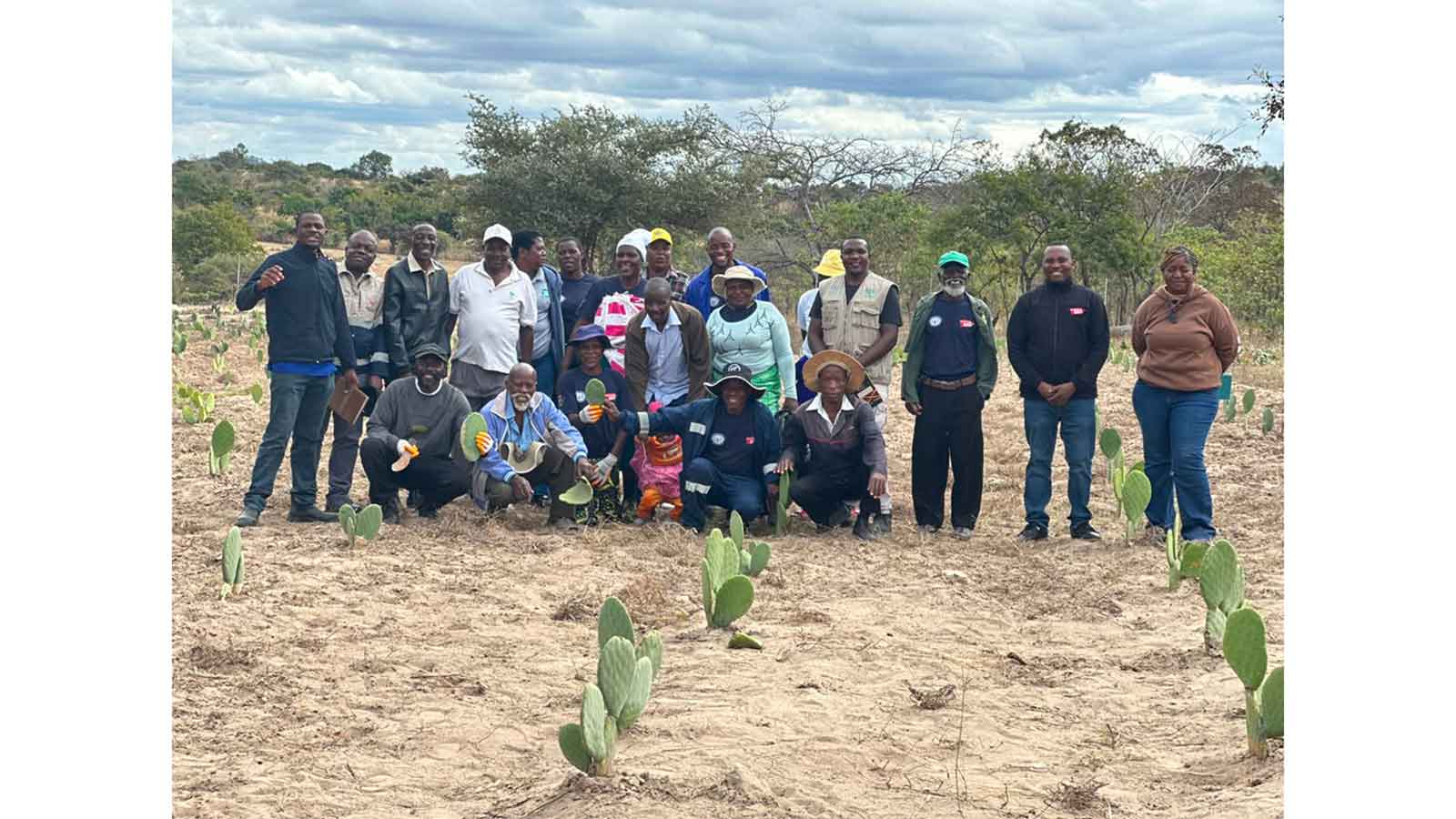
Dr Ibeneme said during the 10-month implementation period for the programme, they would train health care workers, village health workers, ZRCS volunteers and other key people in communities with the aim of mobilising for an increased vaccine uptake.
In a policy that dovetails with President Mnangagwa’s vision of leaving no place and no one behind, Dr Ibeneme said their aim was to provide healthcare to all in a systematic manner.
“By being closer to the people, we would lessen the burden of villagers. We want the Covid-19 service to get to the last mile; we want villagers to access the service.”
Mr Daimon Amidu who is a village health worker in Zvimba District’s Ward 26 said the training he received has spurred him as he conducts door-to door vaccination campaign.
“I do door-to-door campaigns in villages, church and other social gatherings. There has been resistance, but for now, I am glad to say the uptake has increased. My greatest challenge is transport. The ward is vast with villages interspaced. I am appealing for any support for transport as I take my vaccination campaigns,” said Mr Amidu.
Fellow village health worker from Ward 24, Ms Mollin Shara echoed the same sentiments on transport challenges.
“We have serious transport challenges in Ward 24. But this has not deterred me to carry out door-to-door Covid-19 mobilisation campaign. Yes, we have faced some resistance, but I am glad we have made in-roads in generating uptake in some apostolic sects who earlier on have resisted vaccination,” said Ms Shara.
Mr Kenneth Savanhu (25) who received his first Covid-19 immunisation dose at Nyabira Clinic said he was glad he had mastered courage to finally get vaccinated.
“I have been sceptical in getting vaccinated against Covid-19. Conversations with some village health workers have helped me bolster my confidence. I have been listening too much to some misinformation from colleagues and messages sent through WhatsApp. These messages discouraged me from getting vaccinated,” he said.


 Online Reporter