Online Reporter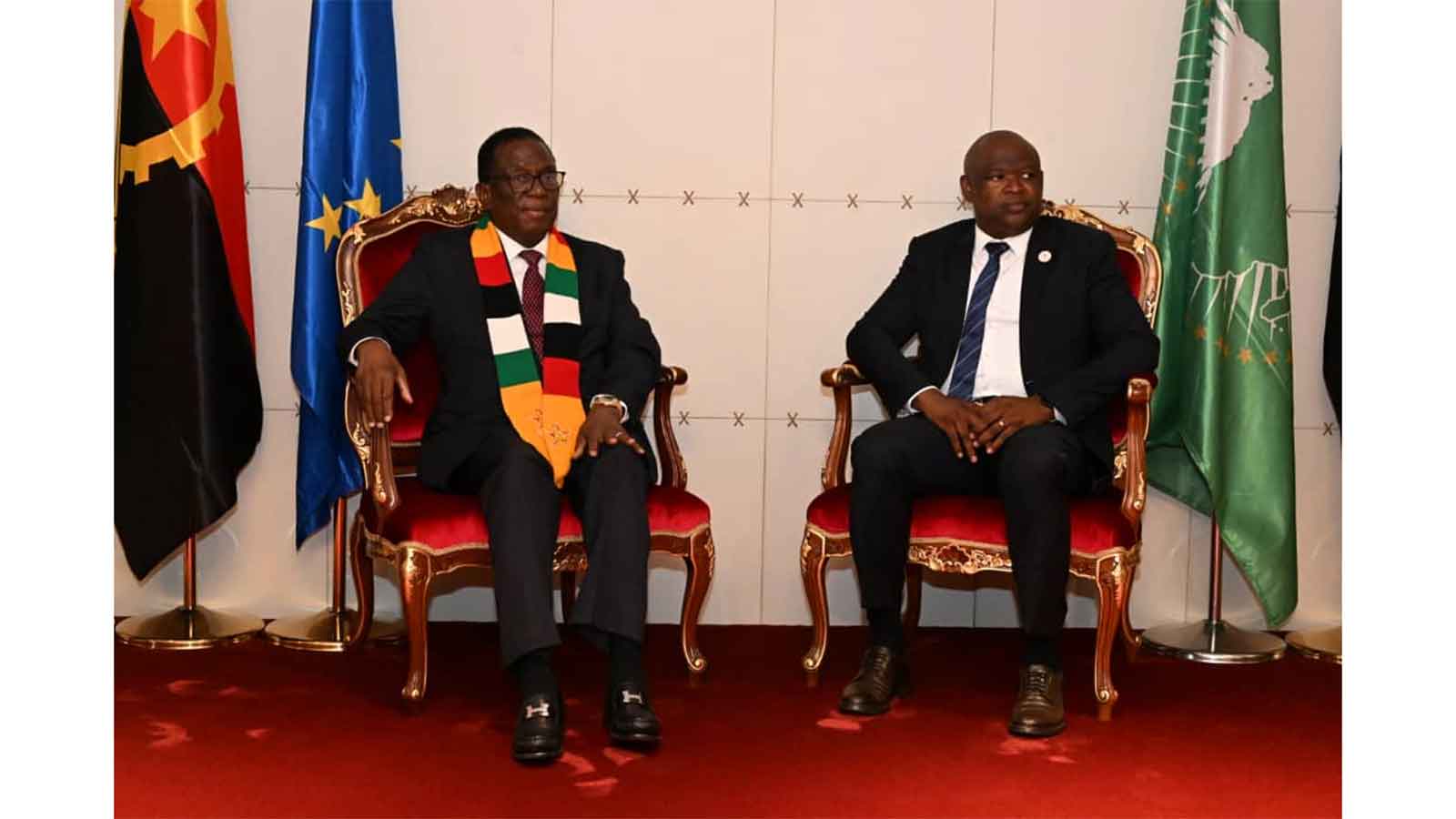
Wallace Ruzvidzo recently in LUANDA, Angola
THE successful hosting of the 7th African Union-European Union Summit in Angola and the G20 Summit in South Africa this past week, signals a potential shift in global power dynamics, with Africa emerging as a key player, primarily due to its vast mineral resources.
These two gatherings highlight the increasing interest of Western countries in re-engaging with African nations, particularly in the context of the global energy transition and the Fifth Industrial Revolution.
Africa’s mineral wealth
Africa holds a significant portion of the world’s critical minerals, including nearly 30 percent of global reserves. These minerals, such as lithium, cobalt, copper, and nickel, are essential for technologies that underpin the Fifth Industrial Revolution, especially energy storage solutions. Zimbabwe, like many other African nations, possesses these resources, making the continent a focal point for so called global powers seeking to secure their supply chains.
A Break from the Colonial Past
Speaking to Zimbabwean journalists during the AU-EU Summit, President Mnangagwa reaffirmed that the historical exploitation of Africa’s resources is a thing of the past.
He emphasised that African leaders are determined to prevent the continued extraction of raw materials without beneficiation and value addition within the continent.
“We can’t just allow foreign countries to come and exploit our resources without benefitting from the minerals. That, of course, could have happened in the past, but the current crop of leaders in Africa would not allow it,” he said.
This stance reflects a growing awareness among African nations of their potential to leverage their mineral wealth for industrialisation and economic development.
The AU-EU Summit: a call for cooperation
The AU-EU Summit in Luanda brought together leaders from both continents to discuss strengthening cooperation and addressing shared challenges. Among those in attendance were President Mnangagwa, South African President Cyril Ramaphosa, Angolan President João Lourenço, Kenyan President William Ruto, Ethiopian President Taye Atske Selassie, president of the European Commission, Ursula von der Leyen, African union Commission (AUC) Chair Mahmoud Ali Youssouf, United Nations Secretary General Antonio Guterres and the president of the European Council, António Costa.
While addressing the summit, President Mnangagwa said it was imperative that all decisions impacting Africa prioritise the involvement of African countries at the highest level.
“Of critical importance in this respect, is the reform of the UN Security Council.
“Decisions affecting Africa must include Africa, at the highest level,” he said.
United Nations Secretary General Antonio Guterres highlighted that cooperation between Africa and Europe is more critical than ever.
“Africa has the resources and a dynamic young workforce. Europe has the capital and the technological know-how. Together, you can end the injustices of poverty, address the root causes of migration and displacement, and unleash the economic potential of these continents,” the UN Secretary General said
European Commission President Ursula von der Leyen echoed this sentiment, highlighting the need for Africa and Europe to collaborate in an increasingly competitive global economy.
“In a world of trade conflicts, a closer partnership between us begins with trade itself.
“Europe is already your first trading partner by far,” said .
African Union Commission Chair Mahmoud Ali Youssouf called for a stronger, more equitable multilateralism based on respect for all nations.
“We can make this journey together for the sake of uplifting our shared humanity over selfishness and narrow minded protectionism,” he said.
G20 Summit in South Africa
South Africa’s hosting of the G20 Summit, the first on African soil, underscores the continent’s growing influence in global affairs.
The summit focused on addressing global challenges and promoting solidarity, equality, and sustainability as key pillars of inclusive growth.
China’s Role and Western Concerns
The West’s renewed interest in Africa is partly driven by concerns over China’s growing influence on the continent.
China has emerged as a major superpower and a perceived “genuine friend” to African states, particularly standing as an “all weather friend” to Zimbabwe, leading Western powers to seek ways to re-engage and secure access to Africa’s resources.
“Europe is already your first trading partner by far.
“One third of Africa’s total trade is with Europe, and Africa exports to Europe more than twice as much as to China.
“Most of our trade has been duty-free and quota-free already for decades, thanks to our free trade deals and preference schemes,” asserted the European Commission president in her opening remarks at the AU-EU Summit.
Historical context: colonialism and its legacy
Colonial powers primarily sought to exploit Africa’s mineral wealth, using it to fund industrialisation and generate wealth for European empires.
This exploitation led to economic dependency and prevented the development of local industries in Africa.
Colonisers shipped the vast majority of the gold and other minerals they found in Africa back to their home countries in Europe, where they were primarily used to mint currency, fund industrialisation, and create wealth for European empires and investors.
Minting currency: A significant portion of the gold from Africa was melted down and used to mint coins in Western countries, which helped to not only stabilise their monetary systems but expand them.
Powering industrialisation: During the 19th and 20th centuries, gold discoveries in Southern Africa propelled the industrial economies of Europe, notably Britain, by providing the gold reserves necessary to back national currencies on the gold standard and facilitate international trade.
Generating private wealth: The profits from gold mining made colonialists extremely wealthy and generations from their families continue to benefit from this to this day.
These funds were used for further investments in mining technology and other imperial schemes.
Financing colonial operations: The wealth generated from the gold mining operations of the colonisers also helped fund further colonial expansion, infrastructure such as railways and communication systems that primarily served the mines, and military operations to put down local resistance.
Creating finished goods: Some gold was used by goldsmiths to create jewellery and other luxury or religious objects, especially during the medieval period when there was a shortage of circulating gold in Europe.
Entrenching economic dependency: The raw materials, including gold, were shipped to Europe for processing into finished goods, which were then often sold back to African markets. This approach prevented the development of local industries and entrenched a cycle of economic dependency that persists in some regions to this day.
This is what President Mnangagwa said was a thing of the past as the current crop of African leaders would not allow it.
“We can’t just allow foreign countries to come and exploit our resources without benefit from minerals.
“That, of course, could have happened in the past, but the current crop of leaders in Africa would not allow it,” said the President on the sidelines of the AU-EU Summit.