

 admin
admin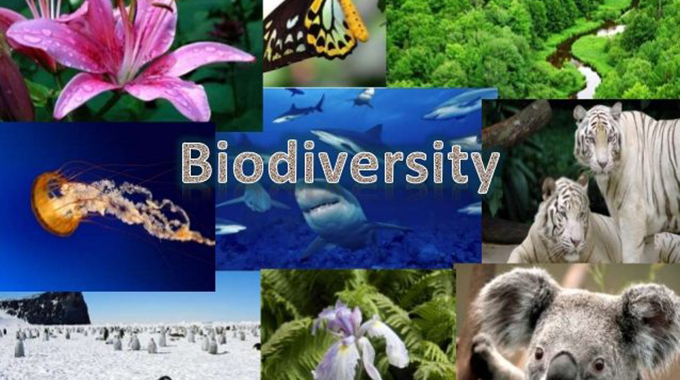
Sifelani Tsiko-Agric, Environment & Innovations Editor
Yesterday marked the celebration of Africa Environment Day alongside the UN’s World Wildlife Day and Wangari Maathai Day — meant to pay tribute to the late Nobel Laureate’s environmental legacy.
Commemorations to mark these events offer a pathway to Zimbabwe and most other African countries to raise awareness of the pressing environmental challenges facing the continent.
Africa is rich with remarkable biodiversity — with many endemic and endangered mammals and plants.
Our continent is also immensely rich with tropical forests, savannah, montane grasslands, mangroves, deserts, wetlands and other ecosystems.
But human — induced activities pose a huge threat to the continued survival of this natural capital which remains key to the continued survival of the continent.
As Zimbabwe and the rest of Africa mark Africa Environment Day alongside the UN’s World Wildlife Day, it is important to reflect on the importance of biodiversity and its impact on the planet.
The day should also bring into sharper focus the importance of wildlife and natural resources in sustaining the livelihoods of many people in Africa.
The stakes are quite high for wildlife resources and the environment. Environmental experts say Africa is experiencing an unprecedented decline due to population growth, extensive agricultural practices, rapid urbanization, infrastructure development, illicit trafficking, among other factors.
A 2016 UNEP report estimates that the overexploitation and degradation of the biodiversity ecosystems will result in the loss of 50 percent of Africa’s bird and mammal species and 20 – 30 percent of lake productivity by the end of the century, as well as decline of wildlife and fisheries.
In addition to this, armed conflicts continue to cause significant damage to Africa’s biodiversity as experienced in many conflict-ridden African countries, with enormous impact on protected areas due to military activities and population displacement.
It is very important to protect and conserve the wildlife and the environment around us because of the huge benefits that come with it.
The loss of biodiversity in Africa has deep implications to the structures and function of ecological systems.
It makes it difficult for Zimbabwe and most other African countries to attain Sustainable Development Goals (SDGs), particularly SDG 15 which aims to “sustainably manage forests, combat desertification, and halt and reverse land degradation and halt biodiversity loss.”
Africa’s wildlife and biodiversity is at risk if urgent action is not taken now to protect biodiversity, including the more than one million species of plants and animals which are threatened with extinction, the 40 percent of amphibian species, and the 33 percent of reef-forming corals which are endangered.
Africa must walk the talk. It must safeguard the continent by protecting its biodiversity, take bold policies and invest in nature – based solutions that would help reduce the impact of agriculture and other human activities on biodiversity.
The promotion of restoration/rehabilitation of degraded systems and natural resources and reducing the impact of extractive industries and unsustainable natural resource use can also help to sustain our ecosystems.
Money matters most. Without adequate funding mechanisms, it will be difficult to promote conservation work and other critical environmental services.
Having dedicated and innovative funding mechanisms which promote conservation investment and payment for environmental services must be at the front seat of government budgets and operations.
Proper management of biodiversity resources and mainstreaming them into the national development priorities is also critical.
Without proper action and financial support, the decline of biodiversity in Africa will continue unabated.
Biodiversity loss will hit Africa’s development progress hard and affect the continent’s ability to grow sustainably.
African governments must continue to actively participate and provide African perspectives and priorities in all global negotiations and protocols.
Negotiations to reduce the impact of plastic pollution is one such example. Africa must join forces with other countries to address the root causes of plastic pollution at the production and usage life cycle stages of plastics.
It is heartening that today, 37 countries are currently enforcing some type of legislation to deal with the problem.
While policies and regulatory instruments are critical in the protection and conservation of the continent’s biodiversity, it is also important to provide the necessary financial incentives and operational space and capacity to environmental stewards who play a critical role in the recycling business.
Wildlife rangers and informal waste pickers, for example, must be incentivised for their work in protecting endangered wildlife species and for dealing with plastic pollution respectively.
African rangers often lack basic necessities like boots, shelter and clean water supply. They need to be supported to protect endangered species.
Calls are also growing that development and conservation in Africa need not be mutually exclusive.
We need to develop green economies and ensure that the development which is taking place on the continent is sustainable.
Where damage has been done, Africa needs to promote breeding programmes and initiatives for endangered species and to carry out restorative work to the natural environment.
The use of modern technologies such as drones and other new technologies can also support the continent’s efforts to protect and reduce the erosion of its biodiversity.


 Online Reporter