admin
admin
Prosper Ndlovu, Business Editor
LAST week, the African Regional Intellectual Property Organisation (Aripo) and the Intellectual Property Rights and Innovation Project in Africa (AfrIPI) held a joint communication training in Harare focused on unpacking the Regional Intellectual Property Rights System, which drew a diversity of participation from across the continent.
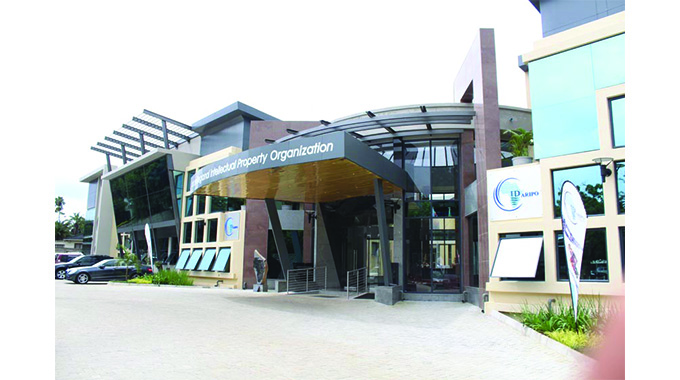
Zimbabwe hosts the Aripo headquarters and the communication training seminar was the first of its kind in the region as communicators had an opportunity to learn the technical side of intellectual property (IP) and how to demystify it to the general public.
The term Intellectual Property Rights (IPRs or IP rights) generally refers to legally enforceable rights over the use of inventions or other creative works. According to the World Intellectual Property Organisation, (Wipo), IP is protected at law by, for example, patents, copyright and trade-marks, which enable people to earn recognition or financial benefit from what they invent or create.
By striking the right balance between the interests of innovators and the wider public interest, Wipo says the IP system aims to foster an environment in which creativity and innovation can flourish.
IPRs, thus, include trademarks, patents, utility models, industrial designs, copyright, plant breeders’ rights, layout designs of integrated circuits, geographical indications, new plant varieties and traditional knowledge, genetic resources, and expressions of folklore, among others.
Globally, IP rights are a primary method of securing a return on investment in innovation, creativity, and reputation. Apart from helping companies to protect their inventions from competitors, experts say IP rights can also be an essential source of cash flow through licensing deals or IP sales. They are also a significant pull factor for attracting investors, economists say.
As Zimbabwe and the entire African region strive to transform their economies through enhanced industrialisation strategies, knowledge and exposure to Intellectual Property Rights is critical as the general public needs to understand the importance and impact of these in their daily lives.
Fulfilling this mandate demands that the media, public and private sector communicators, as frontline sources of public information, be fully equipped to effectively communicate the Aripo Regional Intellectual Property Rights System and the positive effects of the AfrIPI project to their audiences, which can be used for awareness creation at a national, regional, and global level.
Generally, many people are unaware and misinformed about IP issues and yet successful economies in the world have embraced this critical subject as the most valuable business asset.
Small to Medium Enterprises (SMEs) in Zimbabwe and across Africa, for instance, and the creative sector, are losing out on the benefits of IP due to lack of knowledge.

No doubt given such a background, scaling up IP awareness could have a huge transformative impact on livelihoods by helping reduce poverty, aid employment creation, and accelerate economic growth in a big way, said Aripo director general, Mr Bemanya Twebaze, in his presentation.
He noted that: “IP can be leveraged as a tool to facilitate Africa’s development. This is made possible by providing incentives to inventors and creators and facilitating the disclosure of knowledge and the transfer of technology and know-how”.
Stressing the need to upscale awareness on IPRs issues in the region, he challenged communicators to rise to the occasion and utilise diverse platforms to creatively drive the message home with higher impact, whether direct, silent, subliminal, visual or any other.
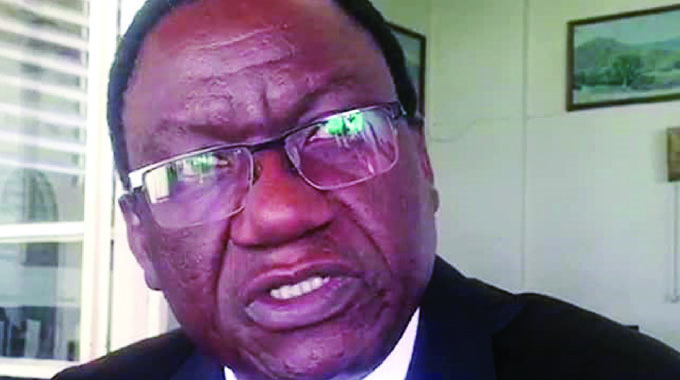
Without adequate communication, it would be tough to accomplish any significant progress, said Mr Twebaze, who went on to highlight the inherent gaps in IP appreciation, which limit the continent’s progress.
“There is a commonly held assumption in Africa that only educated people can protect an idea or use the IP system. As a result, although Africa is home to many talented creators, their works are primarily undervalued and unprotected,” he said.
“The number of Intellectual Property Rights filings from Africa is dismal. Patent filings in Africa over the years have continued to record an average of 0,6 percent of the global filings.
“The low number of filings can be attributed to the need for more awareness of where and how to protect creativity or innovation. In that regard, Aripo has embarked on a deliberate course to change this trend.”
If Africa is to fully benefit from its wealth of creative and innovative talent and take its rightful place on the world IP stage, the Aripo director general emphasised the need for stakeholders from the entire continent to fully recognise and celebrate the skills of their innovators and creators.
“The cited low levels of IP awareness in Africa can be addressed if we, as IP offices, start by letting the world know of the creation and innovations recorded by our offices,” he added.
“Occasionally, stories of African ingenuity surface in the international press or social media networks. As African communicators, we must change this discourse and tell our stories.
“We must seek out and celebrate such examples of ingenuity, which is essential if we improve awareness of the continent’s innovative and creative resources’ social, economic, and cultural value.”
AfrIPI project leader, Ms Aida Galindo, concurred that communication plays a significant role in building respect and awareness of intellectual property rights.
“Without effective communication, the business sector, including SMEs, innovation hubs, and research & development institutions, will not readily be aware of intellectual property rights and how these rights can benefit their businesses and sustainably sustain their national economies,” she said.
“At AfrIPI, we are committed to help the Africa communication community to make the most of IP promotion.”
Citing the prevalence of counterfeit products, which do not comply with intellectual property rules and threaten consumers’ health and, in some cases, lives, Ms Galindo called for harmonised efforts to close the existing gaps and position the region for enhanced IP benefits.
“People in the creative sector, such as artists and designers, are also affected by infringers who claim ownership of their work that is not protected, for instance,” she said.
“Subsequently, intellectual property is a subject that matters to everyone, and it is in your hands, as communicators, to share this message,” she added.
AfrIPI is a pan-African project that aims to support the European Union (EU) in creating, administering, utilising, protecting and enforcing intellectual property rights across Africa.
It aligns with international and European best practices and supports the African Continental Free Trade Area (AfCFTA) and the African Union’s Agenda 2063. The overall objective of the AfrIPI project is to facilitate intra-African trade and African and European investment. It runs from February 2020 to February 2025, covering 54 countries in Africa with a budget of EUR17 million.
The training offered participants leeway to review existing IPRs including patents, trademarks, copyright and related rights, utility models, industrial designs, geographical indications, plant varieties, and trade secrets, and how these could be best communicated to the public.



 Online Reporter