admin
admin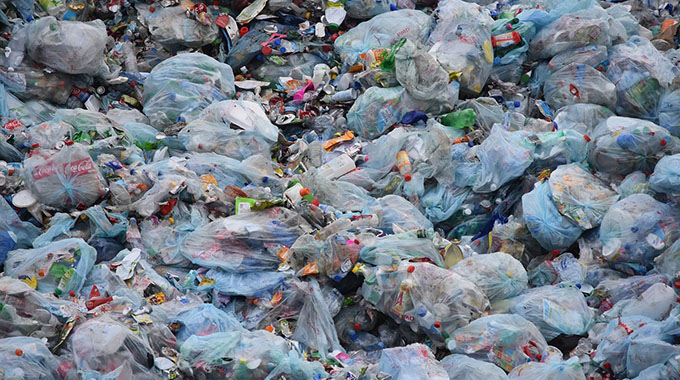
Sifelani Tsiko Environment & Innovations Editor
The fourth session of the United Nations Intergovernmental Negotiating Committee on Plastic Pollution (INC-4) recently ended in Ottawa, Canada, with calls to establish a separate funding mechanism to help developing countries invest in recycling and waste management infrastructure to curb plastic pollution.
The Environmental Management Agency corporate secretary, Mr Farai Nyahwa who was part of the Zimbabwean delegation to the talks told The Herald that member states have made progress in coming up with a Global Treaty to end plastic pollution.
“Delegates and observers came together for the fourth Intergovernmental Negotiating Committee on Plastic Pollution to discuss the text that should help the Conference of Parties to come up with a legally binding Treaty by 2025, said Mr Nyahwa.
“So far, we have had four meetings and we are now trying to come up with the text for the Treaty and developing provisions that everybody is comfortable with.
“From an African perspective, what we are trying to push for, given that we have a shortage of resources and technology for waste management, is the establishment of a separate funding mechanism which will then be utilised by developing countries to access resources for new technology or techniques to deal with solid waste management,” he said.
Nyahwa said it was also important to leverage existing funds to try and deal with plastic waste-related issues in Zimbabwe and other developing countries.
“From Zimbabwe’s own perspective, it’s an important Treaty as plastic waste is a major problem here. Most of our streets are littered with plastic waste. We import a lot of products that have plastic waste and we don’t have the technology to adequately deal with it,” he said.
“For example, we aren’t able to recycle even up to five percent of the plastic waste that we have within Zimbabwe. So the establishment of this Treaty will set targets for countries in the reduction of production of plastic waste and primary plastic polymers – where the plastic comes from.”
The most contentious issue, Nyahwa said, was around how to limit the amount of plastic manufactured.
He said there were strong objections from plastic-producing countries. Most plastic is made from fossil fuels and chemicals.
According to EMA, Zimbabwe generates more than 300 000 tonnes of plastic waste every year and a significant proportion of it is dumped on the streets or open spaces, thereby clogging sewers and causing air pollution when plastic is burnt.
The world produces around 430 million metric tonnes of plastic every year and according to the United Nations Environment Programme, the figure is rising.
Experts say the world’s recycling systems are no longer able to cope with the volumes of plastic and recycling rates are estimated at just under 10 percent.
By 2030, plastic waste is expected to double to 165 million tonnes in African countries. Most of this will be in Egypt, Nigeria, South Africa, Algeria, Morocco and Tunisia.
A significant proportion of the plastic in Africa is produced in developed, industrialised countries.


 Online Reporter