Online Reporter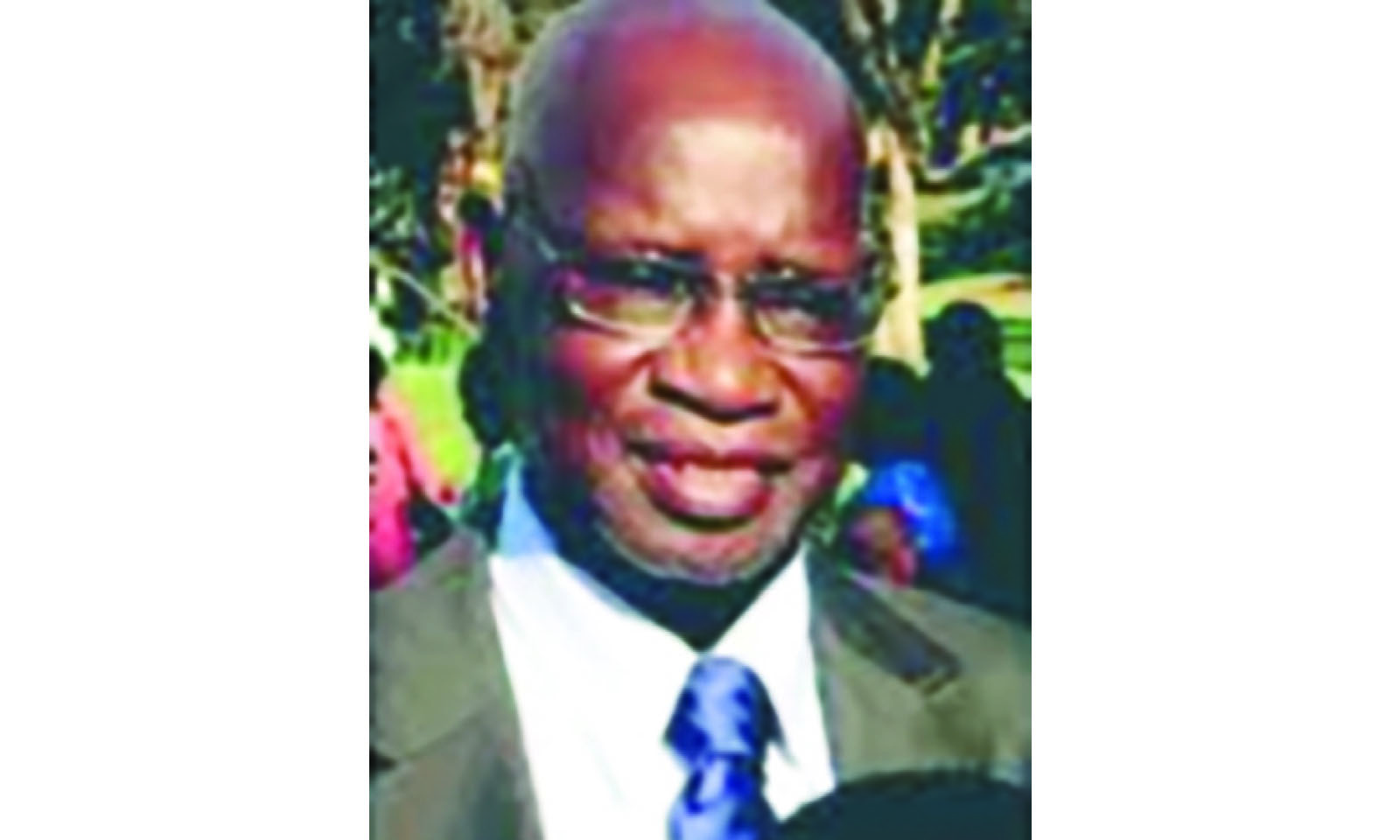
Sifelani Tsiko
THE African World Heritage Fund recently held a Special Session Memorial Lecture in honour of renowned Zimbabwe culture and heritage luminary Professor Dawson Munjeri who died in April last year.
The memorial lecture took place at the International Conference on Cultural Heritage in Africa which ran from May 5-9 in Nairobi, Kenya.
The conference was held under the theme: “A Dialogue on the Concept of Authenticity in Africa.”
“The memorial lecture is organised to celebrate, preserve and promote the legacy of Professor Dawson Munjeri whose life and work made a significant impact on the field of heritage theory and practice in Africa and beyond,” the heritage fund said in a statement.
“The primary objectives include to pay tribute to Professor Munjeri’s contributions, values and achievements, ensuring his work and ideals continue to inspire present and future generations of scholars and practitioners.”
The lecture provided a platform for thought-provoking discussions, reflections and scholarly dialogue around themes and issues that were central to Prof Munjeri’s life and work such as heritage authenticity in Africa.
It also sought to motivate young scholars, professionals and the wider public to engage with and build upon the ideas and values that Prof Munjeri championed throughout his life.
This memorial lecture also created space for critical thinking and reflection by bringing together academics, practitioners, policymakers, students and community members in a shared space of learning, collaboration and remembrance.
Prof Munjeri died on April 29 last year.
He was 75.
The eminent scholar who was Zimbabwe’s cultural ambassador to Unesco and an expert in heritage conservation and monitoring in many countries was accorded a state–assisted funeral.
Prof Munjeri, who was hailed for his humility, integrity, love and commitment to the country, was known for his unflinching commitment to safeguarding culture and heritage in Zimbabwe and the rest of the world.
Prof Munjeri’s 53 books and numerous other articles explored oral traditions and oral history, museology, legal frameworks on heritage and sustainable development.
He was born on 11 July, 1949.
Prof Munjeri did his secondary education at Fletcher High School in Gweru and later enrolled for a BA Honours History degree at the University of Rhodesia in 1973.
In 1981, he did a Postgraduate Diploma in Information Systems and Librarianship at the University of Wales, UK.
In 2010 he completed his PhD studies in International Relations and Diplomacy.
Prof Munjeri started his work as an oral historian at the National Archives of Zimbabwe in 1978 before working as regional director at National Museums and Monuments in 1983.
He worked in that position until 1987. From 1987 to 1993, he served as deputy executive director of the National Museums and Monuments of Zimbabwe.
He also worked as executive director of National Museums and Monuments of Zimbabwe from 1993 to 2002.
From 2002 to 2017, Prof Munjeri served as the Deputy Permanent Delegate of Zimbabwe to UNESCO in Paris, France.
He served as president of the 17th General Assembly of States Parties to the World Heritage Convention from 2009 to 2010.
Prof Munjeri also sat on the executive board of UNESCO, Editorial Board of the International Journal of Cultural Property and numerous other councils and boards.
He participated in various World Heritage Centre list evaluation missions to South Africa, Tanzania, Zimbabwe and many other countries.
He was also a member of several expert groups, notably the one tasked with reviewing the Operational Guidelines for the Implementation of the World Heritage Convention from 2000 to 2004 and another one to draft the text of the 2003 Convention for the Safeguarding of the Intangible Cultural Heritage.
“Worldly renowned and esteemed African scholar and heritage professional, Dawson Munjeri, embodies the essence of intellectual prowess and dedicated service to safeguarding Africa’s rich and diverse heritage,” the heritage fund said.
“He tirelessly championed initiatives aimed at nurturing the next generation of African intellectuals, scholars and professionals in the field of heritage and advocated for the recognition and conservation of Africa’s heritage on the global stage.”